

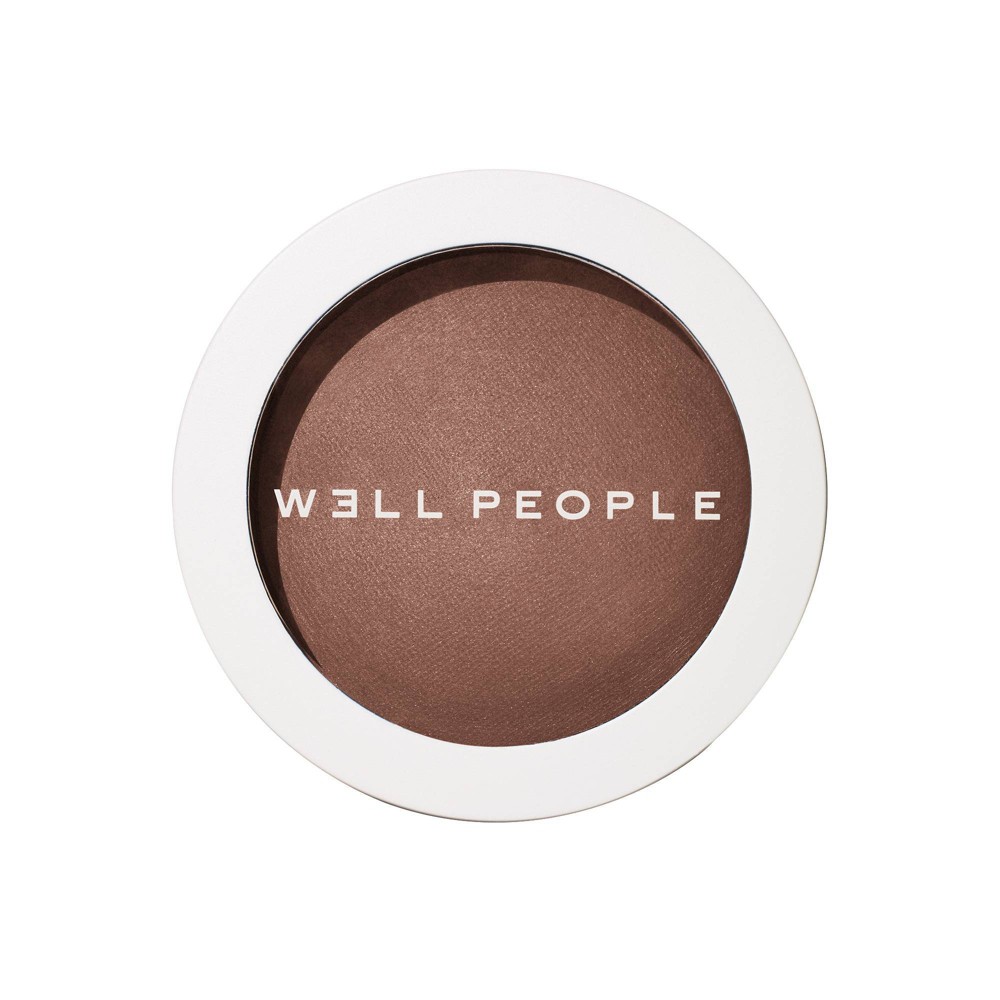


NARS Soft Matte Advanced Perfecting Powder Cliff
Analysis updated September 2026 · How Scout scores
At a glance
Summary
This product contains several beneficial ingredients such as zinc oxide, cocoa seed butter, and shea butter, which provide moisturizing and protective properties. However, it also includes chlorphenesin, a preservative that can cause irritation in some individuals. The presence of dimethicone and phenoxyethanol, while common in cosmetics, indicates a moderate level of processing.
Key ingredients 35
Theobroma Cacao (Cocoa) Seed ButterVery Good
Cocoa Seed Butter is a natural fat extracted from cocoa beans, known for its moisturizing properties. It is rich in antioxidants and beneficial for dry skin. It helps to nourish and protect the skin.
Risks
There are minimal risks, primarily related to potential allergic reactions in sensitive individuals.
Benefits
It deeply moisturizes and provides a protective barrier for the skin.
Butyrospermum Parkii (Shea) ButterVery Good
Shea Butter is a natural fat extracted from the nuts of the shea tree, known for its moisturizing properties. It is rich in vitamins and beneficial for dry skin. It helps to nourish and protect the skin.
Risks
There are minimal risks, primarily related to potential allergic reactions in sensitive individuals.
Benefits
It deeply moisturizes and provides a protective barrier for the skin.
MicaGood
Beneficial ingredient — whole-food or functional value in this product class.
Risks
Inhalation of mica particles can be a concern, especially in loose powder products.
Benefits
It adds a natural shimmer and glow to the skin, enhancing the product's aesthetic appeal.
Zinc OxideGood
Zinc Oxide is a mineral used for its protective and soothing properties. It is known for its ability to provide broad-spectrum sun protection. It is beneficial for sensitive skin and can help soothe irritation.
Risks
There are minimal risks when used in non-nano form, primarily related to inhalation in powder form.
Benefits
It provides sun protection and has anti-inflammatory properties, making it suitable for sensitive skin.
Caprylic/Capric TriglycerideGood
Caprylic/Capric Triglyceride is derived from coconut oil and glycerin, used for its emollient properties. It helps to moisturize and condition the skin. It is considered safe and beneficial for most skin types.
Risks
There are minimal risks associated with its use, primarily related to potential allergic reactions in sensitive individuals.
Benefits
It provides lightweight moisture and helps improve the texture of the product.
Alteromonas Ferment ExtractGood
Alteromonas Ferment Extract is derived from marine bacteria and is known for its moisturizing and soothing properties. It is considered beneficial for sensitive and dry skin. It helps to hydrate and protect the skin barrier.
Risks
There are minimal risks associated with its use.
Benefits
It provides hydration and helps soothe irritated skin.
Tocopheryl AcetateGood
Tocopheryl Acetate is a form of Vitamin E, known for its antioxidant properties. It helps to protect the skin from environmental damage. It is beneficial for maintaining healthy skin.
Risks
There are minimal risks associated with its use.
Benefits
It provides antioxidant protection and helps to maintain skin health.
QuercetinGood
Quercetin is a plant-derived flavonoid with antioxidant and anti-inflammatory properties. It helps to protect the skin from oxidative stress. It is beneficial for sensitive and irritated skin.
Risks
There are minimal risks associated with its use.
Benefits
It provides antioxidant protection and helps soothe inflammation.
TocopherolGood
Tocopherol, or Vitamin E, is known for its antioxidant properties. It helps protect the skin from environmental damage. It is beneficial for maintaining healthy skin.
Risks
There are minimal risks associated with its use.
Benefits
It provides antioxidant protection and helps to maintain skin health.
GlycerinGood
Glycerin is a humectant used to attract moisture to the skin. It is considered safe and beneficial for most skin types. It helps to hydrate and maintain the skin's moisture balance.
Risks
There are minimal risks associated with its use.
Benefits
It provides hydration and helps maintain the skin's moisture balance.
Hydrolyzed Pea ProteinGood
Hydrolyzed Pea Protein is used for its conditioning and strengthening properties. It is considered beneficial for skin and hair. It helps to improve the texture and resilience of the skin.
Risks
There are minimal risks associated with its use.
Benefits
It provides conditioning and helps improve skin texture.
NiacinamideGood
Niacinamide is a form of Vitamin B3, known for its skin-soothing and brightening properties. It helps to improve skin texture and reduce the appearance of pores. It is beneficial for maintaining healthy skin.
Risks
There are minimal risks associated with its use.
Benefits
It provides skin-soothing and brightening benefits, improving overall skin health.
Synthetic FluorphlogopiteNeutral
Synthetic Fluorphlogopite is a synthetic version of mica, used to add shimmer and improve texture. It is generally considered safe for use in cosmetics. However, it does not provide any direct skin benefits.
Risks
There are minimal risks associated with its use, primarily related to inhalation in powder form.
Benefits
It enhances the appearance and feel of the product, providing a smooth application.
Calcium Sodium BorosilicateNeutral
Calcium Sodium Borosilicate is used to add shimmer and shine to cosmetics. It is considered safe for use in personal care products. It does not have any direct skin benefits.
Risks
There are minimal risks, mainly related to inhalation if used in powder form.
Benefits
It provides a shimmering effect, enhancing the visual appeal of the product.
SilicaNeutral
Silica is used in cosmetics to improve texture and absorb excess oil. It is generally considered safe for use in cosmetics. It does not provide any direct skin benefits.
Risks
Inhalation of fine silica particles can be a concern in loose powder products.
Benefits
It helps control shine and provides a smooth, matte finish.
Zinc MyristateNeutral
Zinc Myristate is used in cosmetics for its binding and texture-enhancing properties. It is generally considered safe for use in cosmetics. It does not provide any direct skin benefits.
Risks
There are minimal risks associated with its use.
Benefits
It helps improve the texture and application of the product.
Diphenylsiloxy Phenyl TrimethiconeNeutral
Diphenylsiloxy Phenyl Trimethicone is a silicone used to enhance the texture and spreadability of cosmetics. It is considered safe for use in cosmetics. It does not provide any direct skin benefits.
Risks
There are minimal risks, primarily related to potential buildup on the skin.
Benefits
It improves the texture and feel of the product, providing a silky finish.
Hydrogen DimethiconeNeutral
Hydrogen Dimethicone is a silicone used to improve the texture and spreadability of cosmetics. It is considered safe for use in cosmetics. It does not provide any direct skin benefits.
Risks
There are minimal risks, primarily related to potential buildup on the skin.
Benefits
It enhances the texture and application of the product.
Polysilicone-2Neutral
Polysilicone-2 is a silicone used to improve the texture and spreadability of cosmetics. It is considered safe for use in cosmetics. It does not provide any direct skin benefits.
Risks
There are minimal risks, primarily related to potential buildup on the skin.
Benefits
It enhances the texture and application of the product.
Aluminum HydroxideNeutral
Aluminum Hydroxide is used in cosmetics as a thickening agent and to improve texture. It is generally considered safe for use in cosmetics. It does not provide any direct skin benefits.
Risks
There are minimal risks associated with its use.
Benefits
It helps improve the texture and stability of the product.
Boron NitrideNeutral
Boron Nitride is used in cosmetics to improve texture and provide a soft-focus effect. It is considered safe for use in cosmetics. It does not provide any direct skin benefits.
Risks
There are minimal risks associated with its use.
Benefits
It enhances the texture and provides a soft-focus effect.
Sorbitan SesquiisostearateNeutral
Sorbitan Sesquiisostearate is an emulsifier used to stabilize formulations. It is considered safe for use in cosmetics. It does not provide any direct skin benefits.
Risks
There are minimal risks associated with its use.
Benefits
It helps stabilize the formulation and improve texture.
Calcium SilicateNeutral
Calcium Silicate is used in cosmetics to improve texture and absorb moisture. It is considered safe for use in cosmetics. It does not provide any direct skin benefits.
Risks
There are minimal risks associated with its use.
Benefits
It helps improve texture and absorb excess moisture.
EthylhexylglycerinNeutral
Ethylhexylglycerin is used as a preservative and skin conditioning agent. It is considered safe for use in cosmetics. It does not provide any direct skin benefits.
Risks
There are minimal risks associated with its use.
Benefits
It helps preserve the product and condition the skin.
Water/Aqua/EauNeutral
Water is used as a solvent in cosmetics to dissolve other ingredients. It is considered safe and essential in many formulations. It does not provide any direct skin benefits.
Risks
There are no significant risks associated with its use.
Benefits
It acts as a solvent and helps to hydrate the skin.
Butylene GlycolNeutral
Butylene Glycol is used as a solvent and conditioning agent in cosmetics. It is generally considered safe for use in cosmetics. It does not provide any direct skin benefits.
Risks
There are minimal risks associated with its use.
Benefits
It helps improve the texture and spreadability of the product.
Sodium ChlorideNeutral
Sodium Chloride, or table salt, is used as a thickening agent in cosmetics. It is considered safe for use in cosmetics. It does not provide any direct skin benefits.
Risks
There are minimal risks associated with its use.
Benefits
It helps to thicken and stabilize formulations.
Sodium SuccinateNeutral
Sodium Succinate is used as a buffering agent in cosmetics. It is considered safe for use in cosmetics. It does not provide any direct skin benefits.
Risks
There are minimal risks associated with its use.
Benefits
It helps to stabilize the pH of formulations.
Lauroyl LysineNeutral
Lauroyl Lysine is used as a conditioning agent in cosmetics. It is considered safe for use in cosmetics. It does not provide any direct skin benefits.
Risks
There are minimal risks associated with its use.
Benefits
It helps to condition and improve the texture of the product.
Iron Oxides (CI 77491, CI 77492, CI 77499)Neutral
Iron Oxides are used as colorants in cosmetics. They are considered safe for use in cosmetics. They do not provide any direct skin benefits.
Risks
There are minimal risks associated with their use.
Benefits
They provide color and pigmentation to the product.
Titanium Dioxide (CI 77891)Neutral
Titanium Dioxide is used as a pigment and UV filter in cosmetics. It is considered safe for use in cosmetics. It does not provide any direct skin benefits.
Risks
There are minimal risks associated with its use, primarily related to inhalation in powder form.
Benefits
It provides pigmentation and UV protection.
DimethiconeBad
Occlusive silicone film-former — flagged under clean-beauty doctrine.
Risks
There are minimal risks, primarily related to potential buildup on the skin.
Benefits
It provides a smooth application and helps to fill in fine lines and pores.
GlucoseBad
Processed additive flagged under Scout's ingredient doctrine.
Risks
There are minimal risks associated with its use.
Benefits
It helps to hydrate and condition the skin.
ChlorphenesinBad
Chlorphenesin is a preservative used to prevent microbial growth in cosmetics. It is considered safe in low concentrations but can cause irritation in some individuals. It does not provide any direct skin benefits.
Risks
It can cause skin irritation and allergic reactions in sensitive individuals.
Benefits
It helps to preserve the product and prevent microbial contamination.
PhenoxyethanolBad
Processed additive flagged under Scout's ingredient doctrine.
Risks
It can cause skin irritation and allergic reactions in sensitive individuals.
Benefits
It helps to preserve the product and prevent microbial contamination.
Get the full breakdown in the Scout appTake Scout shopping
Scan any product to see lab results, healthy alternatives, and your personalized analysis.
Download on theApp Store GET IT ONGoogle PlayAmazon pricing & content
Amazon price as of . Product prices and availability are accurate as of the date/time indicated and are subject to change. Any price and availability information displayed on Amazon.com at the time of purchase will apply to the purchase of this product.
CERTAIN CONTENT THAT APPEARS ON THIS SITE COMES FROM AMAZON. THIS CONTENT IS PROVIDED “AS IS” AND IS SUBJECT TO CHANGE OR REMOVAL AT ANY TIME.