
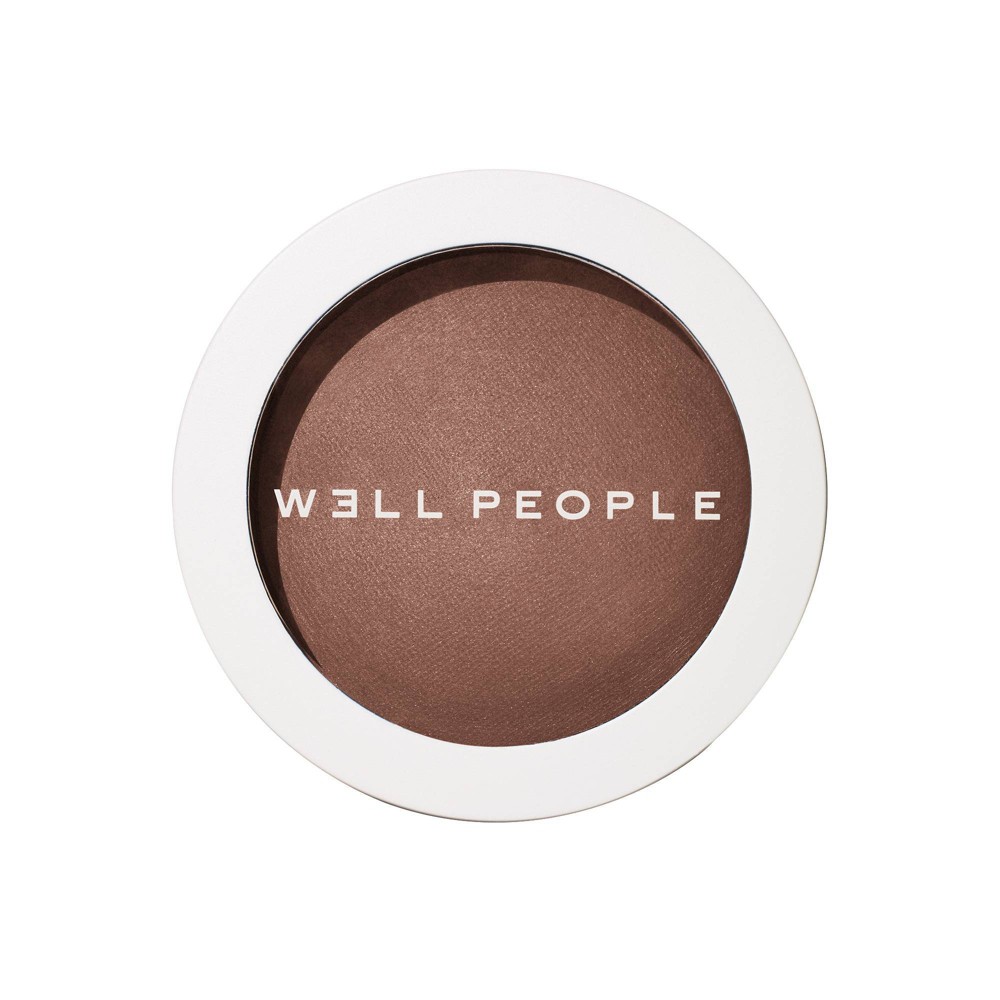
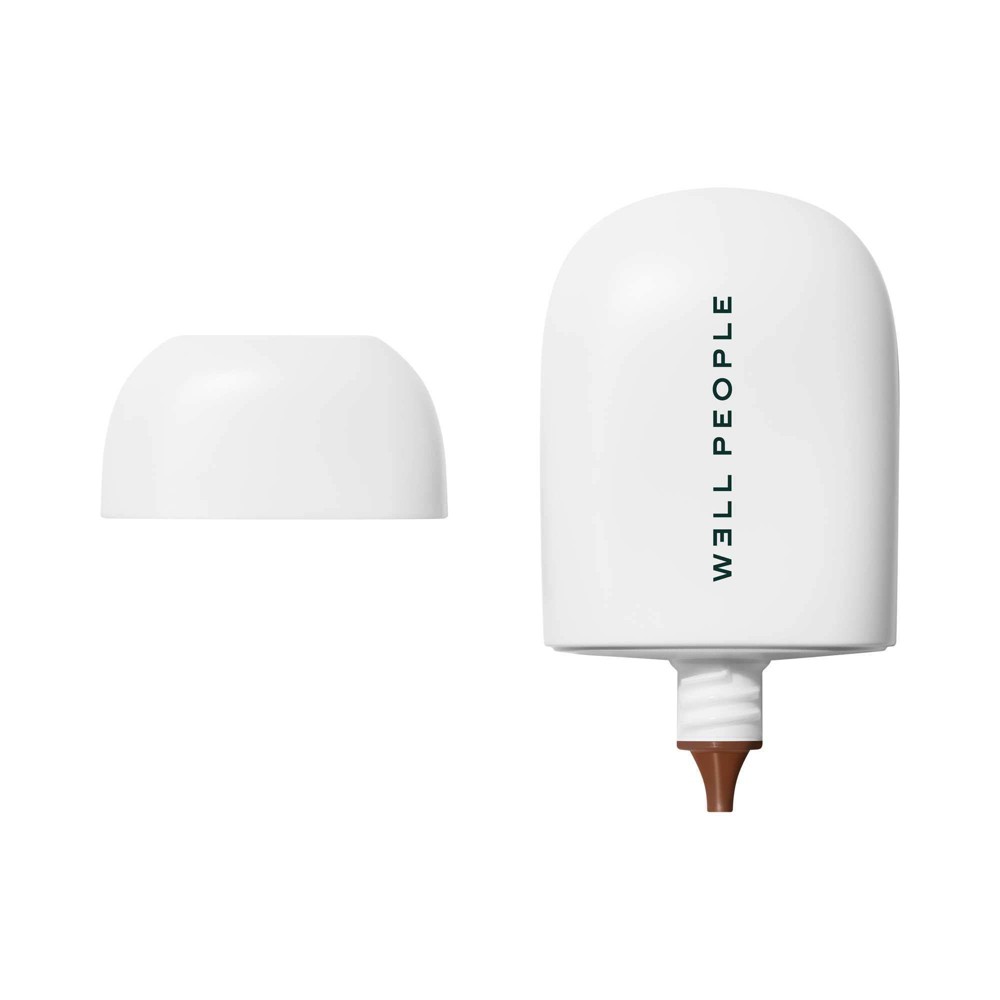

Well People Superpowder Bronzing Powder - Bronze - 0.31oz: Vegan, Semi-Matte Finish, Light Coverage
Analysis updated August 2026 · How Scout scores
At a glance
Summary
This bronzing powder contains beneficial ingredients like squalane and niacinamide, which are known for their moisturizing and skin-soothing properties. The product avoids harsh chemicals and synthetic fragrances, contributing to its favorable rating. However, it is still a processed product, which slightly limits its score potential.
Key ingredients 22
SqualaneVery Good
Squalane is a highly effective emollient and natural antioxidant. It is known for its ability to deeply moisturize and improve skin elasticity. It is non-irritating and suitable for all skin types.
Risks
Generally considered safe with minimal risk of irritation.
Benefits
Deeply moisturizes and improves skin elasticity.
MicaGood
Beneficial ingredient — whole-food or functional value in this product class.
Risks
Potential contamination with heavy metals and ethical sourcing issues.
Benefits
Provides a natural shimmer and glow to cosmetic products.
NiacinamideGood
Niacinamide is a form of Vitamin B3 known for its skin-soothing and anti-inflammatory properties. It helps to improve skin texture, reduce redness, and enhance barrier function. It is well-tolerated by most skin types.
Risks
Generally considered safe with minimal risk of irritation.
Benefits
Improves skin texture and reduces redness.
InositolGood
Beneficial ingredient — whole-food or functional value in this product class.
Risks
Low risk of irritation or allergic reaction.
Benefits
Improves skin hydration and texture.
GlycineGood
Beneficial ingredient — whole-food or functional value in this product class.
Risks
Low risk of irritation or allergic reaction.
Benefits
Improves skin hydration and texture.
Zea Mays Starch/Zea Mays (Corn) StarchNeutral
Corn starch is used as a natural absorbent and thickening agent in cosmetics. It is generally safe and non-irritating for most skin types. However, it may cause issues for those with corn allergies.
Risks
May cause allergic reactions in individuals with corn allergies.
Benefits
Acts as a natural absorbent and thickening agent.
Pentylene GlycolNeutral
Pentylene Glycol is a synthetic humectant and solvent used in cosmetics. It helps to retain moisture and improve the texture of products. It is generally considered safe for use in cosmetics.
Risks
May cause mild irritation in sensitive individuals.
Benefits
Helps retain moisture and improve product texture.
Lauroyl LysineNeutral
Lauroyl Lysine is an amino acid derivative used to improve the texture and feel of cosmetic products. It is generally considered safe and non-irritating. It enhances the spreadability and smoothness of products.
Risks
Minimal risk of irritation or allergic reaction.
Benefits
Improves texture and spreadability of products.
Polyglyceryl-3 DiisostearateNeutral
Polyglyceryl-3 Diisostearate is an emulsifier used to stabilize cosmetic formulations. It is derived from natural sources and is generally considered safe. It helps to blend oil and water-based ingredients.
Risks
Low risk of irritation or allergic reaction.
Benefits
Stabilizes formulations and blends ingredients.
Glyceryl StearateNeutral
Glyceryl Stearate is an emulsifier and stabilizer used in cosmetics. It helps to blend ingredients and improve the texture of products. It is generally considered safe and non-irritating.
Risks
Low risk of irritation or allergic reaction.
Benefits
Blends ingredients and improves product texture.
Sodium LactateNeutral
Sodium Lactate is a humectant and buffering agent used in cosmetics. It helps to maintain moisture and stabilize the pH of products. It is generally considered safe for use in cosmetics.
Risks
Low risk of irritation or allergic reaction.
Benefits
Maintains moisture and stabilizes pH.
Sodium PCANeutral
Sodium PCA is a natural humectant derived from amino acids. It helps to attract and retain moisture in the skin. It is generally considered safe and non-irritating.
Risks
Low risk of irritation or allergic reaction.
Benefits
Attracts and retains moisture in the skin.
MagnololNeutral
Magnolol is a compound derived from magnolia bark with antioxidant properties. It is used for its potential anti-inflammatory and skin-soothing effects. However, its efficacy in cosmetics is not well-established.
Risks
Limited research on its efficacy in cosmetics.
Benefits
Potential anti-inflammatory and skin-soothing effects.
HonokiolNeutral
Honokiol is a compound derived from magnolia bark with antioxidant properties. It is used for its potential anti-inflammatory and antimicrobial effects. However, its efficacy in cosmetics is not well-established.
Risks
Limited research on its efficacy in cosmetics.
Benefits
Potential anti-inflammatory and antimicrobial effects.
Lactic AcidNeutral
Lactic Acid is an alpha hydroxy acid used for its exfoliating and moisturizing properties. It helps to improve skin texture and hydration. However, it may cause irritation in sensitive skin types.
Risks
May cause irritation in sensitive skin types.
Benefits
Exfoliates and improves skin texture.
UreaNeutral
Urea is a humectant and exfoliant used in cosmetics to improve skin hydration and texture. It helps to attract moisture and promote exfoliation. However, it may cause irritation in sensitive skin types.
Risks
May cause irritation in sensitive skin types.
Benefits
Improves skin hydration and promotes exfoliation.
WaterNeutral
Water is a universal solvent used as a base in many cosmetic formulations. It helps to dissolve other ingredients and improve product texture. It is generally considered safe and non-irritating.
Benefits
Dissolves ingredients and improves product texture.
Titanium Dioxide (CI 77891)Neutral
Titanium Dioxide is a mineral used as a pigment and UV filter in cosmetics. It provides opacity and sun protection. However, concerns about inhalation risks in powder form exist.
Risks
Inhalation risks in powder form.
Benefits
Provides opacity and sun protection.
Iron Oxides (CI 77491, CI 77492, CI 77499)Neutral
Iron Oxides are pigments used to provide color in cosmetics. They are generally considered safe and non-irritating. However, concerns about contamination with heavy metals exist.
Risks
Potential contamination with heavy metals.
Benefits
Provides color to cosmetic products.
Potassium SorbateBad
Synthetic preservative — flagged in daily-use products.
Risks
May cause mild irritation in sensitive individuals.
Benefits
Prevents growth of mold and bacteria.
FructoseBad
Processed additive flagged under Scout's ingredient doctrine.
Risks
Low risk of irritation or allergic reaction.
Benefits
Attracts and retains moisture in the skin.
Sodium BenzoateBad
Synthetic preservative that can form benzene in the presence of vitamin C.
Risks
May cause mild irritation in sensitive individuals.
Benefits
Prevents microbial growth in cosmetics.
Get the full breakdown in the Scout appTake Scout shopping
Scan any product to see lab results, healthy alternatives, and your personalized analysis.
Download on theApp Store GET IT ONGoogle PlayAmazon pricing & content
Amazon price as of . Product prices and availability are accurate as of the date/time indicated and are subject to change. Any price and availability information displayed on Amazon.com at the time of purchase will apply to the purchase of this product.
CERTAIN CONTENT THAT APPEARS ON THIS SITE COMES FROM AMAZON. THIS CONTENT IS PROVIDED “AS IS” AND IS SUBJECT TO CHANGE OR REMOVAL AT ANY TIME.