
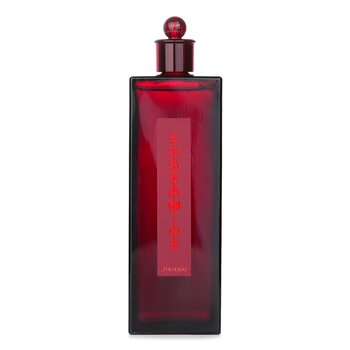


Eudermine Revitalizing Essence Moisturizer Lotion 6.7 oz
Summary
This moisturizer contains a mix of beneficial and concerning ingredients. It includes skin-friendly actives like hyaluronic acid and botanical extracts, which are known for their hydrating and soothing properties. However, the presence of synthetic fragrance and certain preservatives raises concerns about potential skin irritation and endocrine disruption, impacting its overall safety profile.
At a glance
Key ingredients 22
Water (Aqua/Eau)
Water is a universal solvent and is used as a base in many cosmetic formulations. It helps dissolve other ingredients and provides hydration to the skin. It is generally considered safe and non-irritating.
Risks
There are no significant risks associated with water in cosmetics.
Benefits
Water hydrates the skin and helps in the absorption of other beneficial ingredients.
Butylene Glycol
Butylene Glycol is a common humectant used in cosmetics to retain moisture. It also helps improve the texture and spreadability of products. It is generally considered safe for use in cosmetics.
Risks
In rare cases, it may cause irritation or allergic reactions in sensitive individuals.
Benefits
It helps keep the skin hydrated and enhances the product's texture.
Alcohol Denat
Alcohol Denat is used as a solvent and astringent in cosmetic products. It helps in the quick drying of the product and enhances the penetration of other ingredients. However, it can be drying and irritating to the skin.
Risks
It may cause dryness and irritation, especially in sensitive skin types.
Benefits
It helps in the quick absorption of the product and provides a refreshing feel.
Glycerin
Glycerin is a well-known humectant that attracts moisture to the skin. It is used in many skincare products for its hydrating properties. It is considered safe and beneficial for most skin types.
Risks
There are minimal risks associated with glycerin, though overuse can lead to a sticky feel.
Benefits
It effectively hydrates the skin and helps maintain its moisture balance.
Methyl Gluceth-10
Methyl Gluceth-10 is a humectant and emollient derived from glucose and methyl alcohol. It is used to improve the moisture content of the skin. It is generally considered safe and non-irritating.
Risks
There are minimal risks, though it may cause irritation in very sensitive skin.
Benefits
It provides hydration and improves the skin's texture.
Dipropylene Glycol
Dipropylene Glycol is used as a solvent and viscosity-decreasing agent in cosmetics. It helps in the even distribution of ingredients in the formulation. It is generally considered safe for use.
Risks
It may cause mild irritation in sensitive individuals.
Benefits
It enhances the texture and spreadability of the product.
Betaine
Betaine is a natural amino acid derivative that acts as a humectant and anti-irritant. It helps maintain skin hydration and reduces the potential for irritation. It is considered safe and beneficial for the skin.
Risks
There are minimal risks associated with betaine.
Benefits
It hydrates the skin and soothes irritation.
Methylparaben
Methylparaben is a preservative used to prevent the growth of bacteria and mold in cosmetics. It is effective in extending the shelf life of products. However, it is controversial due to potential endocrine-disrupting effects.
Risks
It may disrupt hormone function and cause allergic reactions in some individuals.
Benefits
It effectively preserves the product and prevents microbial growth.
Cyclodextrin
Cyclodextrin is used to stabilize and enhance the delivery of active ingredients in cosmetics. It can also reduce the volatility of fragrances. It is generally considered safe for use.
Risks
There are minimal risks, though it may cause irritation in sensitive skin.
Benefits
It stabilizes formulations and enhances the delivery of active ingredients.
Phenoxyethanol
Phenoxyethanol is a preservative used to prevent microbial growth in cosmetics. It is effective in maintaining product integrity. However, it can cause irritation and allergic reactions in some individuals.
Risks
It may cause skin irritation and allergic reactions, especially in sensitive individuals.
Benefits
It preserves the product and prevents bacterial contamination.
Sodium Metaphosphate
Sodium Metaphosphate is used as a buffering agent in cosmetics to maintain pH balance. It helps stabilize formulations. It is generally considered safe for use.
Risks
There are minimal risks associated with sodium metaphosphate.
Benefits
It helps maintain the stability and pH balance of the product.
Sodium Hyaluronate
Sodium Hyaluronate is a derivative of hyaluronic acid, known for its excellent hydrating properties. It helps retain moisture in the skin and improves elasticity. It is considered very beneficial for skin health.
Risks
There are minimal risks, though it may cause irritation in very sensitive skin.
Benefits
It provides deep hydration and improves skin elasticity.
Carbomer
Carbomer is used as a thickening agent in cosmetics to create a gel-like consistency. It helps stabilize emulsions and improve product texture. It is generally considered safe for use.
Risks
There are minimal risks, though it may cause irritation in sensitive skin.
Benefits
It enhances the texture and stability of the product.
Fragrance (Parfum)
Fragrance is added to cosmetics to provide a pleasant scent. However, it is a common cause of allergic reactions and skin irritation. It is considered a controversial ingredient due to potential sensitization.
Risks
It may cause allergic reactions and skin irritation, especially in sensitive individuals.
Benefits
It provides a pleasant scent to the product.
Peg-60 Hydrogenated Castor Oil
Peg-60 Hydrogenated Castor Oil is used as an emulsifier and surfactant in cosmetics. It helps blend oil and water-based ingredients. It is generally considered safe for use.
Risks
There are minimal risks, though it may cause irritation in sensitive skin.
Benefits
It stabilizes formulations and improves texture.
Xanthan Gum
Xanthan Gum is used as a thickening and stabilizing agent in cosmetics. It helps improve the texture and consistency of products. It is considered safe and non-irritating.
Risks
There are minimal risks associated with xanthan gum.
Benefits
It enhances the texture and stability of the product.
Potassium Hydroxide
Potassium Hydroxide is used as a pH adjuster in cosmetics. It helps maintain the stability and effectiveness of formulations. However, it can be irritating in high concentrations.
Risks
It may cause irritation and burns if used in high concentrations.
Benefits
It helps maintain the pH balance of the product.
Acrylates/C10-30 Alkyl Acrylate Crosspolymer
This ingredient is used as a thickening agent and film-former in cosmetics. It helps improve the texture and spreadability of products. It is generally considered safe for use.
Risks
There are minimal risks, though it may cause irritation in sensitive skin.
Benefits
It enhances the texture and spreadability of the product.
Arginine Hcl
Arginine Hcl is an amino acid used for its moisturizing and conditioning properties in cosmetics. It helps improve skin hydration and elasticity. It is considered safe and beneficial for the skin.
Risks
There are minimal risks associated with arginine Hcl.
Benefits
It hydrates the skin and improves elasticity.
Magnesium Chloride
Magnesium Chloride is used as a stabilizer and conditioning agent in cosmetics. It helps improve the texture and stability of formulations. It is generally considered safe for use.
Risks
There are minimal risks, though it may cause irritation in sensitive skin.
Benefits
It stabilizes formulations and improves texture.
Pca
Pca is a natural component of the skin's natural moisturizing factor. It helps maintain skin hydration and improve texture. It is considered safe and beneficial for the skin.
Risks
There are minimal risks associated with Pca.
Benefits
It hydrates the skin and improves texture.
Calcium Chloride
Calcium Chloride is used as a stabilizer and thickening agent in cosmetics. It helps improve the texture and stability of formulations. It is generally considered safe for use.
Risks
There are minimal risks, though it may cause irritation in sensitive skin.
Benefits
It stabilizes formulations and improves texture.
Processing
Processed Foods
Get the full breakdown in the Scout app
Scan any product to see lab results, healthy alternatives, and your personalized analysis.
Download on theApp Store