
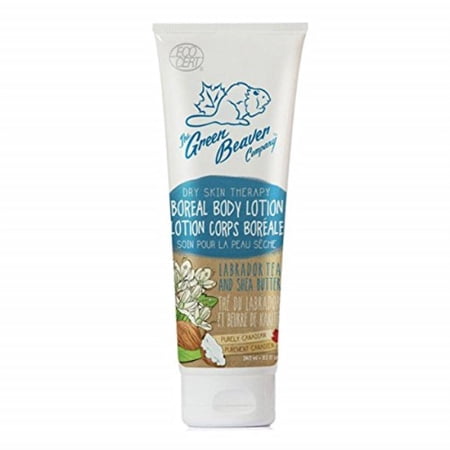


green beaver boreal body lotion 8.1 fl oz
Analysis updated October 2026 · How Scout scores
At a glance
Summary
This body lotion features a clean and natural ingredient list, including beneficial oils like sunflower and castor seed oil, as well as soothing extracts such as calendula and aloe vera. The formulation avoids synthetic chemicals and potential irritants, making it a safe and nourishing choice for the skin. The presence of natural butters and oils further enhances its moisturizing properties, contributing to a high score.
Key ingredients 26
Helianthus Annuus (Sunflower) Seed OilVery Good
Sunflower seed oil is rich in linoleic acid, which helps to maintain the skin barrier and reduce trans-epidermal water loss. It is known for its emollient properties, making it beneficial for dry skin.
Risks
There are minimal risks, though some individuals may experience allergic reactions.
Benefits
It provides moisturizing and anti-inflammatory benefits, supporting skin health.
Ricinus Communis (Castor) Seed OilVery Good
Castor oil is a natural emollient that helps to soften and soothe the skin. It contains ricinoleic acid, which has anti-inflammatory properties.
Risks
Some people may experience allergic reactions or irritation.
Benefits
It is beneficial for moisturizing and promoting skin healing.
GlycerinVery Good
Glycerin is a humectant that attracts moisture to the skin, helping to keep it hydrated. It is widely used in skincare for its ability to improve skin barrier function.
Risks
There are minimal risks associated with glycerin.
Benefits
It enhances skin hydration and smoothness.
Calendula Officinalis ExtractVery Good
Calendula extract is known for its soothing and anti-inflammatory properties. It is often used to calm irritated skin and promote healing.
Risks
Allergic reactions are possible in sensitive individuals.
Benefits
It helps to soothe and repair damaged skin.
Butyrospermum Parkii (Shea Butter)Very Good
Shea butter is a rich emollient that provides deep moisturization and nourishment to the skin. It contains vitamins and fatty acids that support skin health.
Risks
Allergic reactions are rare but possible.
Benefits
It offers intense hydration and helps to improve skin elasticity.
Vaccinium Macrocarpon (Cranberry) Seed OilVery Good
Cranberry seed oil is rich in antioxidants and essential fatty acids, which help to protect and nourish the skin. It is known for its anti-aging properties.
Risks
Allergic reactions are possible in sensitive individuals.
Benefits
It provides antioxidant protection and supports skin regeneration.
Aloe Barbadensis Leaf ExtractVery Good
Aloe vera extract is well-known for its soothing and hydrating properties. It helps to calm irritated skin and promote healing.
Risks
Allergic reactions are rare but possible.
Benefits
It provides soothing relief and enhances skin hydration.
Theobroma Cacao (Cocoa) Seed ButterVery Good
Cocoa butter is a rich emollient that helps to moisturize and protect the skin. It contains antioxidants that support skin health.
Risks
Allergic reactions are rare but possible.
Benefits
It offers deep moisturization and helps to improve skin texture.
Borago Officinalis Seed OilVery Good
Borage seed oil is rich in gamma-linolenic acid, which helps to maintain skin barrier function and reduce inflammation. It is beneficial for dry and sensitive skin.
Risks
Allergic reactions are possible in sensitive individuals.
Benefits
It provides anti-inflammatory benefits and supports skin hydration.
Cetearyl AlcoholGood
Cetearyl alcohol is a fatty alcohol used as an emollient and thickener in cosmetics. It helps to soften the skin and improve the texture of formulations.
Risks
It is generally safe, though some individuals with sensitive skin may experience irritation.
Benefits
It provides moisturizing benefits and improves product stability.
Cetearyl GlucosideGood
Cetearyl glucoside is a natural emulsifier derived from coconut oil and glucose. It helps to blend oil and water components in formulations.
Risks
There are minimal risks associated with this ingredient.
Benefits
It stabilizes formulations and enhances skin feel.
Coco-GlucosideGood
Coco-glucoside is a mild surfactant derived from coconut oil and glucose. It is used to cleanse the skin without stripping natural oils.
Risks
It is generally considered safe with low irritation potential.
Benefits
It provides gentle cleansing and foaming properties.
Glyceryl CaprylateGood
Glyceryl caprylate is an emollient and co-emulsifier that helps to stabilize formulations. It also has antimicrobial properties.
Risks
There are minimal risks associated with this ingredient.
Benefits
It enhances product stability and provides mild antimicrobial effects.
Lavandula Angustifolia (Lavender) OilGood
Lavender oil is known for its calming and soothing properties. It is often used in skincare for its potential to reduce stress and promote relaxation.
Risks
Some individuals may experience allergic reactions or irritation.
Benefits
It offers soothing and calming effects on the skin.
Rosmarinus Officinalis (Rosemary) Leaf OilGood
Rosemary oil is an antioxidant-rich essential oil that helps to protect the skin from environmental damage. It is also known for its antimicrobial properties.
Risks
Allergic reactions are possible in sensitive individuals.
Benefits
It provides antioxidant protection and supports skin health.
Tocopheryl AcetateGood
Tocopheryl acetate is a form of vitamin E used for its antioxidant properties. It helps to protect the skin from oxidative stress and environmental damage.
Risks
Allergic reactions are rare but possible.
Benefits
It provides antioxidant protection and supports skin health.
Aqua/Water/EauNeutral
Water is a common solvent used in cosmetics to dissolve other ingredients. It is essential for hydration but does not provide active benefits on its own.
Risks
There are no significant risks associated with water in cosmetics.
Benefits
Water helps to hydrate the skin and acts as a carrier for other beneficial ingredients.
Cetyl PalmitateNeutral
Cetyl palmitate is an ester used as an emollient and thickener in cosmetics. It helps to improve the texture and spreadability of products.
Risks
There are minimal risks associated with this ingredient.
Benefits
It enhances the texture and moisturizing properties of formulations.
Ledum Groenlandicum WaterNeutral
Ledum groenlandicum water is used for its potential soothing and anti-inflammatory properties. It is derived from a plant native to North America.
Risks
There is limited research on its safety and efficacy.
Benefits
It may offer soothing benefits for irritated skin.
Daucus Carota Sativa (Carrot) Root WaterNeutral
Carrot root water is used for its potential antioxidant and skin-nourishing properties. It is derived from carrot roots.
Risks
There is limited research on its safety and efficacy.
Benefits
It may provide antioxidant benefits and support skin health.
Comptonia Peregrina WaterNeutral
Comptonia peregrina water is used for its potential soothing properties. It is derived from a plant native to North America.
Risks
There is limited research on its safety and efficacy.
Benefits
It may offer soothing benefits for the skin.
Rhus Verniciflua Peel WaxNeutral
Rhus verniciflua peel wax is used as a thickening agent in cosmetics. It helps to improve the texture and stability of formulations.
Risks
There are minimal risks associated with this ingredient.
Benefits
It enhances the texture and stability of products.
Cinnamomum Zeylanicum (Cinnamon) Bark OilNeutral
Cinnamon bark oil is used for its potential antimicrobial and warming properties. It is derived from the bark of the cinnamon tree.
Risks
It can cause irritation or allergic reactions in sensitive individuals.
Benefits
It may offer antimicrobial benefits and improve circulation.
Sclerotium GumNeutral
Sclerotium gum is a natural thickening agent used to improve the texture of cosmetic formulations. It is derived from a fermentation process.
Risks
There are minimal risks associated with this ingredient.
Benefits
It enhances the texture and stability of products.
Xanthan GumNeutral
Xanthan gum is a natural thickener and stabilizer used in cosmetics. It helps to improve the texture and consistency of formulations.
Risks
There are minimal risks associated with this ingredient.
Benefits
It provides thickening and stabilizing properties.
Potassium SorbateNeutral
Potassium sorbate is a preservative used to prevent the growth of mold and bacteria in cosmetics. It is considered safe for use in low concentrations.
Risks
It can cause irritation in sensitive individuals.
Benefits
It helps to extend the shelf life of products by preventing microbial growth.
Get the full breakdown in the Scout appTake Scout shopping
Scan any product to see lab results, healthy alternatives, and your personalized analysis.
Download on theApp Store GET IT ONGoogle PlayAmazon pricing & content
Amazon price as of . Product prices and availability are accurate as of the date/time indicated and are subject to change. Any price and availability information displayed on Amazon.com at the time of purchase will apply to the purchase of this product.
CERTAIN CONTENT THAT APPEARS ON THIS SITE COMES FROM AMAZON. THIS CONTENT IS PROVIDED “AS IS” AND IS SUBJECT TO CHANGE OR REMOVAL AT ANY TIME.