
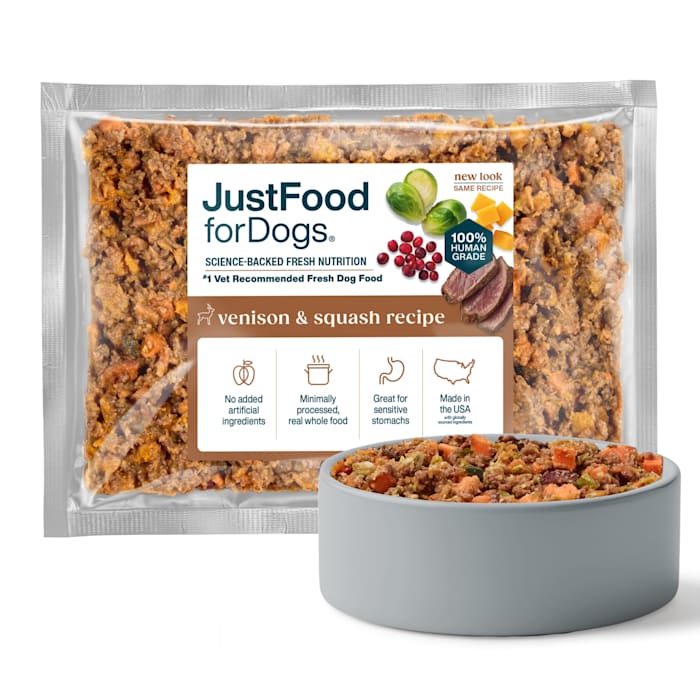
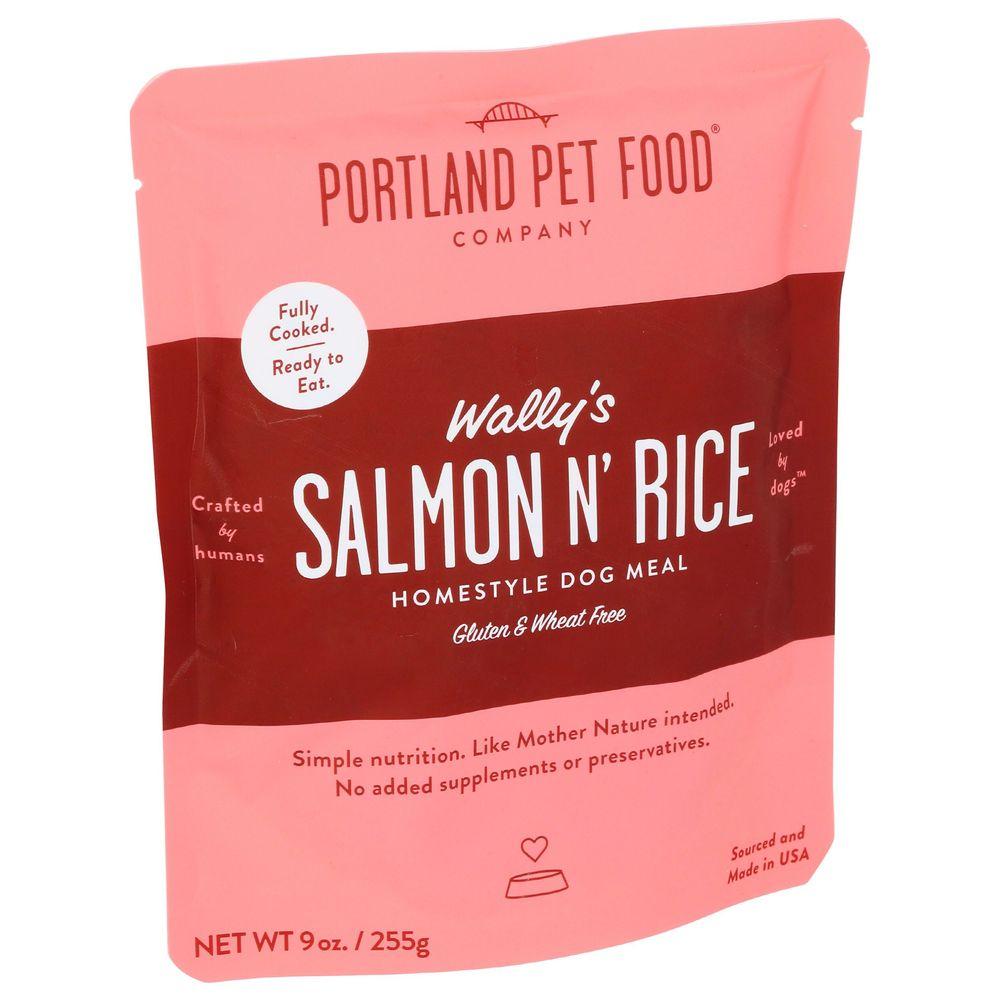
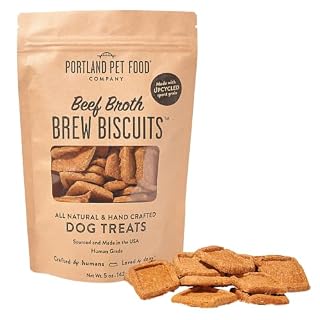
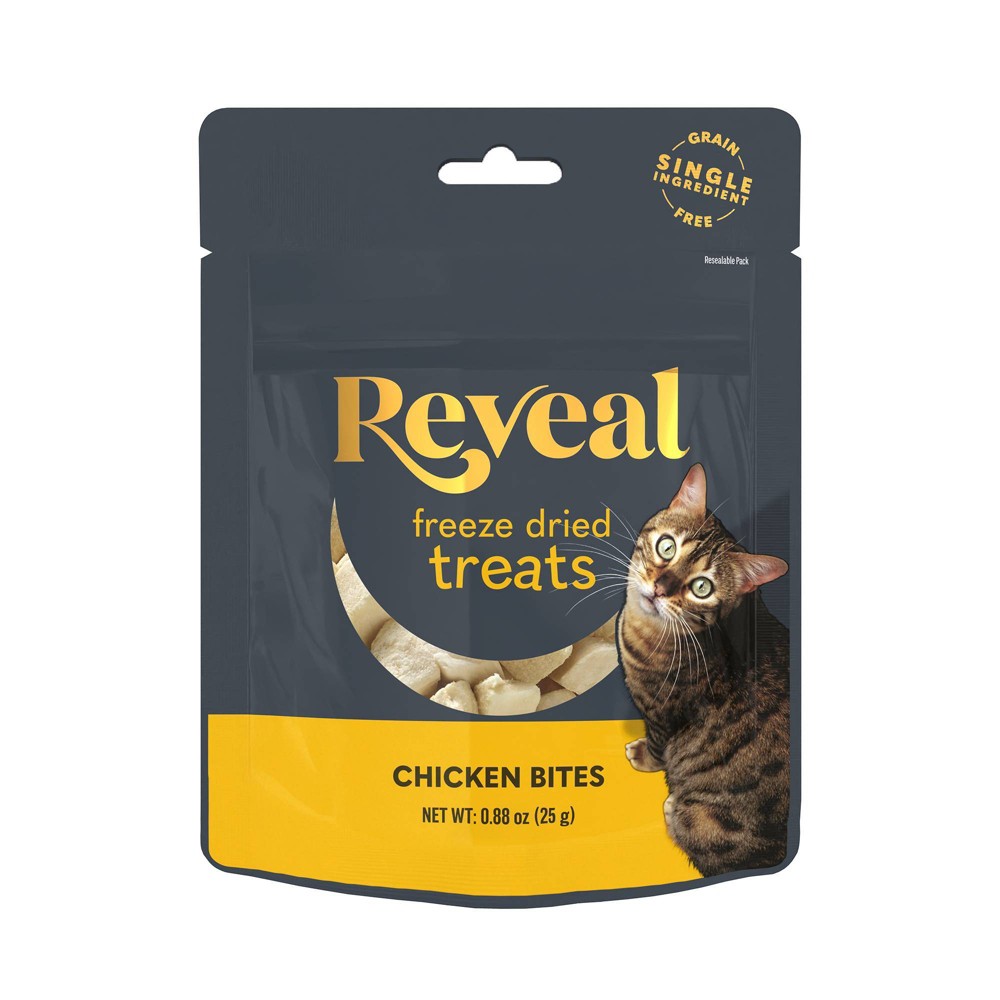
JustFoodForDogs Daily Diets Venison & Squash Frozen Dog Food, 18 oz.
Analysis updated September 2026 · How Scout scores
At a glance
Summary
This dog food contains high-quality ingredients like venison, butternut squash, and sweet potatoes, which provide essential nutrients and support digestive health. However, the inclusion of sunflower oil, a seed oil, is a concern due to its lower nutritional profile compared to healthier fats. The product is processed, which limits its score despite the overall clean ingredient list and beneficial components.
Key ingredients 23
VenisonVery Good
Venison is a high-quality protein source that is lean and rich in essential amino acids. It is less likely to cause allergies compared to common proteins like chicken or beef. Venison is also a good source of vitamins and minerals such as iron and B vitamins.
Benefits
Provides essential amino acids and is a lean protein source, supporting muscle maintenance and overall health.
Butternut SquashGood
Butternut squash is a nutritious vegetable rich in vitamins A and C, fiber, and antioxidants. It supports digestive health and boosts the immune system. The natural sweetness can enhance palatability for pets.
Benefits
Rich in vitamins and fiber, supporting digestive health and immune function.
Sweet PotatoesGood
Sweet potatoes are a great source of dietary fiber, vitamins A and C, and antioxidants. They help support digestive health and provide a natural source of energy. Their low glycemic index makes them a good carbohydrate choice for pets.
Benefits
Provides dietary fiber and essential vitamins, supporting digestive health and energy levels.
Brussels SproutsGood
Brussels sprouts are rich in vitamins C and K, fiber, and antioxidants. They support immune function and promote healthy digestion. Their nutrient density makes them a beneficial addition to a pet's diet.
Benefits
Rich in vitamins and fiber, supporting immune function and digestive health.
CranberriesGood
Cranberries are known for their antioxidant properties and ability to support urinary tract health. They are rich in vitamins C and E and can help prevent urinary tract infections. Their natural compounds may also support oral health.
Benefits
Supports urinary tract health and provides antioxidants, promoting overall health.
Marine Microalgae OilGood
Marine microalgae oil is a sustainable source of omega-3 fatty acids, particularly DHA. It supports brain and eye health and is a plant-based alternative to fish oil. This ingredient is beneficial for pets with fish allergies.
Benefits
Rich in omega-3 fatty acids, supporting brain and eye health.
Vitamin E SupplementGood
Vitamin E is an antioxidant that helps protect cells from oxidative damage. It supports immune function and skin health. Supplementation ensures adequate intake in pet diets.
Benefits
Acts as an antioxidant, supporting immune function and skin health.
TaurineGood
Taurine is an amino acid important for heart and eye health in pets. It is essential for cats and beneficial for dogs, supporting cardiovascular function. Supplementation ensures adequate levels in pet diets.
Benefits
Supports heart and eye health, particularly important for cats.
RiboflavinGood
Essential B vitamin — beneficial micronutrient.
Benefits
Supports energy metabolism and cellular function by providing vitamin B2.
CholecalciferolGood
Cholecalciferol, or vitamin D3, is important for calcium absorption and bone health. It is often added to pet foods to ensure adequate vitamin D levels. It is particularly important for pets with limited sun exposure.
Risks
Excessive intake may lead to hypercalcemia.
Benefits
Supports calcium absorption and bone health by providing vitamin D3.
Vitamin B12 SupplementGood
Vitamin B12 is essential for red blood cell formation and neurological function. Supplementation ensures adequate intake in pet diets, particularly important for pets on plant-based diets. It is generally considered safe when used in appropriate amounts.
Benefits
Supports red blood cell formation and neurological function by providing vitamin B12.
Sunflower OilNeutral
In pet food, sunflower oil is used as a source of essential fatty acids. It provides linoleic acid, which is important for skin and coat health. However, it is a seed oil and should be consumed in moderation.
Risks
Excessive consumption may lead to an imbalance in omega-6 to omega-3 fatty acids.
Benefits
Provides essential fatty acids that support skin and coat health.
Calcium CarbonateNeutral
Calcium carbonate is used as a calcium supplement to support bone health. It is a common additive in pet foods to ensure adequate calcium intake. It is generally considered safe when used in appropriate amounts.
Risks
Excessive intake may lead to hypercalcemia, affecting bone and kidney health.
Benefits
Supports bone health by providing a source of calcium.
Dicalcium PhosphateNeutral
Dicalcium phosphate provides both calcium and phosphorus, essential for bone and dental health. It is commonly used in pet foods to balance mineral content. It is generally safe when used in appropriate amounts.
Risks
Excessive intake may lead to imbalances in calcium and phosphorus levels.
Benefits
Supports bone and dental health by providing essential minerals.
Potassium ChlorideNeutral
Potassium chloride is used to provide potassium, an essential electrolyte for maintaining fluid balance and nerve function. It is a common additive in pet foods to ensure adequate potassium intake. It is generally safe when used in appropriate amounts.
Risks
Excessive intake may lead to hyperkalemia, affecting heart and muscle function.
Benefits
Supports fluid balance and nerve function by providing potassium.
Choline BitartrateNeutral
Choline bitartrate is a source of choline, important for liver function and brain health. It is often added to pet foods to support cognitive function and fat metabolism. It is generally considered safe when used in appropriate amounts.
Benefits
Supports liver function and cognitive health by providing choline.
SaltNeutral
Salt is used to enhance flavor and provide sodium, an essential electrolyte. It is necessary for maintaining fluid balance and nerve function. However, excessive intake can lead to health issues.
Risks
Excessive intake may lead to hypertension and kidney issues.
Benefits
Provides sodium, supporting fluid balance and nerve function.
Magnesium Amino Acid ChelateNeutral
Magnesium amino acid chelate provides magnesium, essential for muscle and nerve function. Chelation improves absorption compared to inorganic forms. It is generally safe when used in appropriate amounts.
Risks
Excessive intake may lead to gastrointestinal upset.
Benefits
Supports muscle and nerve function by providing magnesium.
Zinc Amino Acid ChelateNeutral
Zinc amino acid chelate provides zinc, important for immune function and skin health. Chelation enhances absorption compared to inorganic forms. It is generally safe when used in appropriate amounts.
Risks
Excessive intake may lead to copper deficiency.
Benefits
Supports immune function and skin health by providing zinc.
Copper Amino Acid ChelateNeutral
Copper amino acid chelate provides copper, essential for red blood cell formation and connective tissue health. Chelation improves absorption compared to inorganic forms. It is generally safe when used in appropriate amounts.
Risks
Excessive intake may lead to liver damage.
Benefits
Supports red blood cell formation and connective tissue health by providing copper.
Potassium IodideNeutral
Potassium iodide provides iodine, essential for thyroid function and hormone production. It is often added to pet foods to ensure adequate iodine intake. It is generally safe when used in appropriate amounts.
Risks
Excessive intake may lead to thyroid dysfunction.
Benefits
Supports thyroid function and hormone production by providing iodine.
Manganese Amino Acid ChelateNeutral
Manganese amino acid chelate provides manganese, important for bone health and enzyme function. Chelation enhances absorption compared to inorganic forms. It is generally safe when used in appropriate amounts.
Risks
Excessive intake may lead to neurological issues.
Benefits
Supports bone health and enzyme function by providing manganese.
Thiamine MononitrateNeutral
Thiamine mononitrate, or vitamin B1, is important for carbohydrate metabolism and nerve function. It is often added to pet foods to ensure adequate intake. It is generally considered safe when used in appropriate amounts.
Benefits
Supports carbohydrate metabolism and nerve function by providing vitamin B1.
Processing
Processed Foods
Get the full breakdown in the Scout appTake Scout shopping
Scan any product to see lab results, healthy alternatives, and your personalized analysis.
Download on theApp Store GET IT ONGoogle Play