
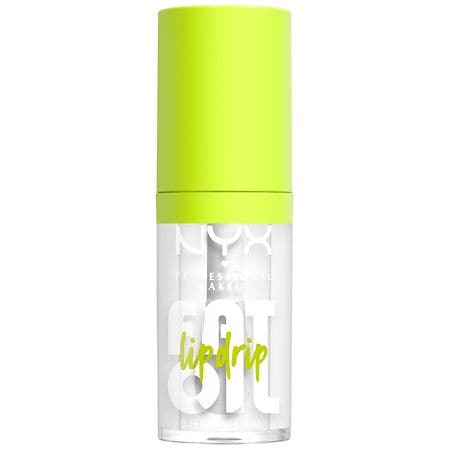
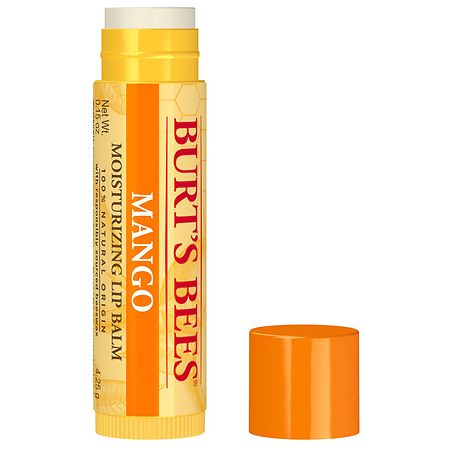

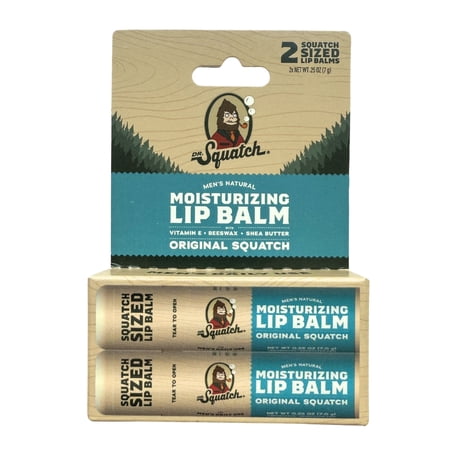
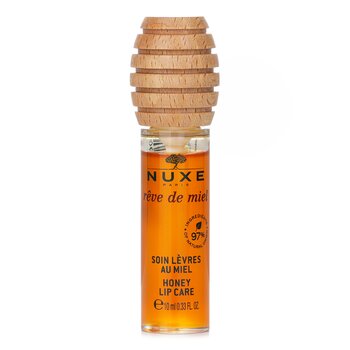
NYX Professional Makeup Fat Oil Lip Drip Lip Gloss - My Main - 0.16 fl oz: Shine Enhancer, Clear, Sheer Finish
Analysis updated August 2026 · How Scout scores
At a glance
Summary
This lip gloss contains beneficial ingredients like rosehip oil, cloudberry seed oil, and squalane, which provide nourishing and moisturizing properties. However, the presence of paraffinum liquidum, a petroleum derivative, and added fragrance, which can cause irritation, detracts from its overall safety profile. The product has a mix of natural and synthetic components, leading to a moderate processing level.
Key ingredients 20
Rosa Canina Fruit OilVery Good
Rosa Canina Fruit Oil, also known as rosehip oil, is rich in essential fatty acids and antioxidants. It is known for its skin-regenerating properties.
Risks
There are no significant risks associated with its use.
Benefits
It helps in moisturizing and rejuvenating the skin, promoting a healthy complexion.
Rubus Chamaemorus Seed OilVery Good
Rubus Chamaemorus Seed Oil, derived from cloudberries, is rich in vitamins and antioxidants. It provides nourishing and protective benefits to the skin.
Risks
There are no significant risks associated with its use.
Benefits
It helps in moisturizing and protecting the skin from environmental stressors.
Rubus Idaeus Seed OilVery Good
Rubus Idaeus Seed Oil, or raspberry seed oil, is high in essential fatty acids and antioxidants. It is known for its anti-inflammatory and moisturizing properties.
Risks
There are no significant risks associated with its use.
Benefits
It helps in soothing and hydrating the skin, providing a protective barrier.
SqualaneVery Good
Squalane is a highly effective emollient and natural antioxidant. It mimics the skin's natural oils, making it an excellent moisturizer.
Risks
There are no significant risks associated with its use.
Benefits
It helps in maintaining skin hydration and improving elasticity.
TocopherolVery Good
Tocopherol, or Vitamin E, is a powerful antioxidant that helps protect the skin from free radical damage. It is also known for its moisturizing properties.
Risks
There are no significant risks associated with its use.
Benefits
It aids in skin repair and provides antioxidant protection.
Caprylic/Capric TriglycerideGood
Caprylic/Capric Triglyceride is derived from coconut oil and glycerin. It is used as an emollient and helps in the dispersion of active ingredients.
Risks
There are no significant risks associated with its use.
Benefits
It provides a lightweight, non-greasy moisturizing effect.
Tocopheryl AcetateGood
Tocopheryl Acetate is a stable form of Vitamin E used in skincare for its antioxidant properties. It helps in protecting the skin from oxidative stress.
Risks
There are no significant risks associated with its use.
Benefits
It provides antioxidant benefits and supports skin health.
PolyisobuteneNeutral
Polyisobutene is a synthetic polymer used as a thickening agent in cosmetics. It provides a smooth texture and helps in film formation. It is generally considered safe for use in cosmetics.
Risks
There are no significant risks associated with polyisobutene in cosmetic formulations.
Benefits
It enhances the texture and spreadability of the product.
Hydrogenated PolyisobuteneNeutral
Hydrogenated Polyisobutene is a synthetic emollient used to improve the texture and moisture retention of products. It is a stable ingredient that does not oxidize easily.
Benefits
It provides a non-greasy, moisturizing feel to the skin.
Pentaerythrityl TetraisostearateNeutral
Pentaerythrityl Tetraisostearate is an ester used as an emollient and thickening agent in cosmetics. It helps in improving the spreadability of the product.
Risks
There are minimal risks associated with this ingredient in cosmetic use.
Benefits
It enhances the smooth application and feel of the product on the skin.
Diisostearyl MalateNeutral
Diisostearyl Malate is an ester used as an emollient and skin conditioning agent. It provides a smooth, silky feel to the product.
Risks
There are no significant risks associated with its use in cosmetics.
Benefits
It enhances the texture and moisturizing properties of the product.
Polyglyceryl-3 DiisostearateNeutral
Polyglyceryl-3 Diisostearate is an emulsifier that helps blend oil and water components in formulations. It is derived from natural sources.
Risks
There are minimal risks associated with this ingredient.
Benefits
It improves the stability and consistency of the product.
Dibutyl Ethylhexanoyl GlutamideNeutral
Dibutyl Ethylhexanoyl Glutamide is a synthetic polymer used as a thickening agent. It helps in improving the texture and stability of the product.
Risks
There are no significant risks associated with its use.
Benefits
It enhances the consistency and application of the product.
EthylhexylglycerinNeutral
Ethylhexylglycerin is a conditioning agent and preservative enhancer. It is often used to improve the efficacy of preservatives.
Risks
There are minimal risks associated with this ingredient.
Benefits
It helps in maintaining product freshness and stability.
Diethylhexyl SyringylidenemalonateNeutral
Diethylhexyl Syringylidenemalonate is used as a UV filter and antioxidant in cosmetics. It helps in protecting the product from degradation.
Risks
There are minimal risks associated with this ingredient.
Benefits
It helps in maintaining product stability and provides UV protection.
Paraffinum LiquidumBad
Paraffinum Liquidum, also known as mineral oil, is a byproduct of petroleum. It is used as an occlusive agent to prevent moisture loss.
Risks
It can potentially clog pores and may contain impurities if not properly refined.
Benefits
It provides a barrier to lock in moisture on the skin.
AromaBad
Aroma in cosmetics often refers to added fragrances, which can cause allergic reactions or skin irritation in sensitive individuals.
Risks
Potential for allergic reactions and skin irritation.
Benefits
Provides a pleasant scent to the product.
Sorbic AcidBad
Processed additive flagged under Scout's ingredient doctrine.
Risks
Potential for mild irritation in sensitive individuals.
Benefits
It helps in extending the shelf life of the product.
PhenoxyethanolBad
Processed additive flagged under Scout's ingredient doctrine.
Risks
Potential for mild irritation or allergic reactions in sensitive individuals.
Benefits
It helps in maintaining product safety and longevity.
Benzyl AlcoholBad
Processed additive flagged under Scout's ingredient doctrine.
Risks
Potential for irritation or allergic reactions in sensitive individuals.
Benefits
It helps in preserving the product and enhancing its stability.
Get the full breakdown in the Scout appTake Scout shopping
Scan any product to see lab results, healthy alternatives, and your personalized analysis.
Download on theApp Store GET IT ONGoogle PlayAmazon pricing & content
Amazon price as of . Product prices and availability are accurate as of the date/time indicated and are subject to change. Any price and availability information displayed on Amazon.com at the time of purchase will apply to the purchase of this product.
CERTAIN CONTENT THAT APPEARS ON THIS SITE COMES FROM AMAZON. THIS CONTENT IS PROVIDED “AS IS” AND IS SUBJECT TO CHANGE OR REMOVAL AT ANY TIME.