


At a glance
Summary
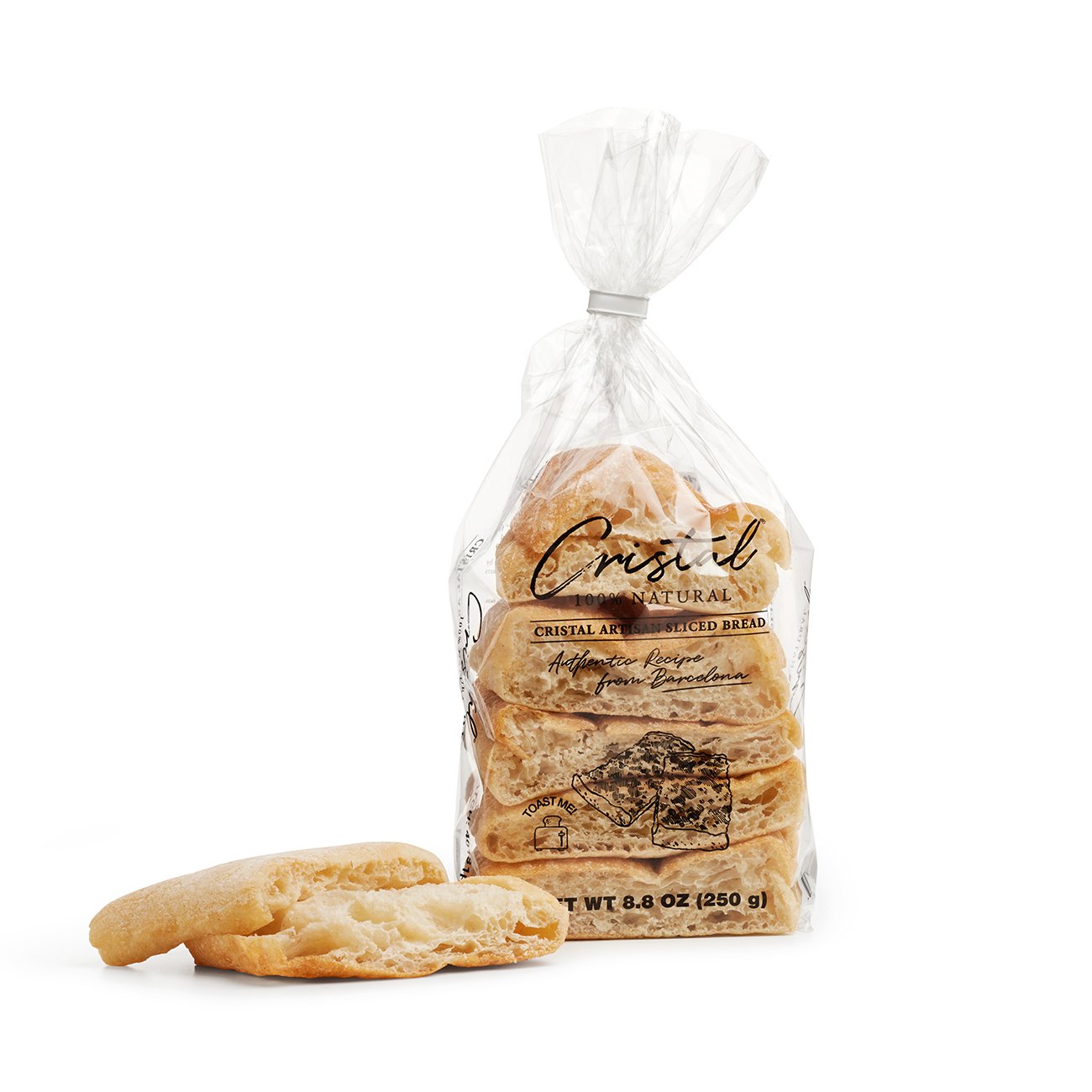
This artisan sliced bread features a relatively clean ingredient list with beneficial components like fermented wheat flour and extra virgin olive oil, which contribute to its nutritional profile and flavor. The use of high-quality olive oil is a positive aspect, providing healthy fats and antioxidants. However, as a processed food, its score is capped, reflecting its level of processing despite the absence of harmful additives.
Key ingredients 7
Extra virgin olive oilVery Good
High-quality monounsaturated fat with anti-inflammatory properties. Contains antioxidants that support heart health. Cold-pressed extraction preserves beneficial compounds.
Benefits
Rich in monounsaturated fats that support heart health and provide anti-inflammatory properties. Contains antioxidants like vitamin E and polyphenols that may reduce oxidative stress.
Fermented wheat flourGood
Fermented wheat flour can enhance the flavor and digestibility of bread. The fermentation process can reduce gluten content and increase beneficial bacteria. It may also improve the nutritional profile by increasing bioavailability of nutrients.
Benefits
May improve digestibility and nutrient absorption due to fermentation.
WaterNeutral
Water is a fundamental ingredient in bread making, hydrating the flour and activating yeast. It is essential for the dough formation process. Water itself does not provide nutritional value but is crucial for the texture and rise of the bread.
Benefits
Essential for dough formation and yeast activation, but does not provide nutritional benefits.
YeastNeutral
Yeast is a microorganism used to leaven bread, contributing to its rise and texture. It is a natural ingredient that helps in the fermentation process. While it plays a crucial role in bread making, it does not provide significant nutritional benefits.
Benefits
Essential for leavening and texture, but does not provide nutritional benefits.
SaltNeutral
Salt is used to enhance flavor and control yeast activity in bread. It is a common culinary ingredient but can contribute to high sodium intake if consumed in excess. While necessary for flavor, it does not provide additional nutritional benefits.
Risks
Excessive consumption can lead to high blood pressure and other health issues.
Benefits
Enhances flavor and controls yeast activity, but should be consumed in moderation.
Malted wheat flourNeutral
Malted wheat flour is used to enhance flavor and color in bread. It is made by sprouting wheat grains, which can increase enzyme activity. While it adds flavor, it does not significantly alter the nutritional profile of the bread.
Benefits
Enhances flavor and color, but does not provide significant nutritional benefits.
Wheat flourBad
Refined grain flour stripped of bran and germ.
Risks
May contribute to blood sugar spikes and is a common allergen for those with gluten sensitivity.
Benefits
Provides essential carbohydrates for energy but lacks significant nutritional benefits compared to whole grains.
Processing
Processed Foods
Get the full breakdown in the Scout appTake Scout shopping
Scan any product to see lab results, healthy alternatives, and your personalized analysis.
Download on theApp Store GET IT ONGoogle Play