
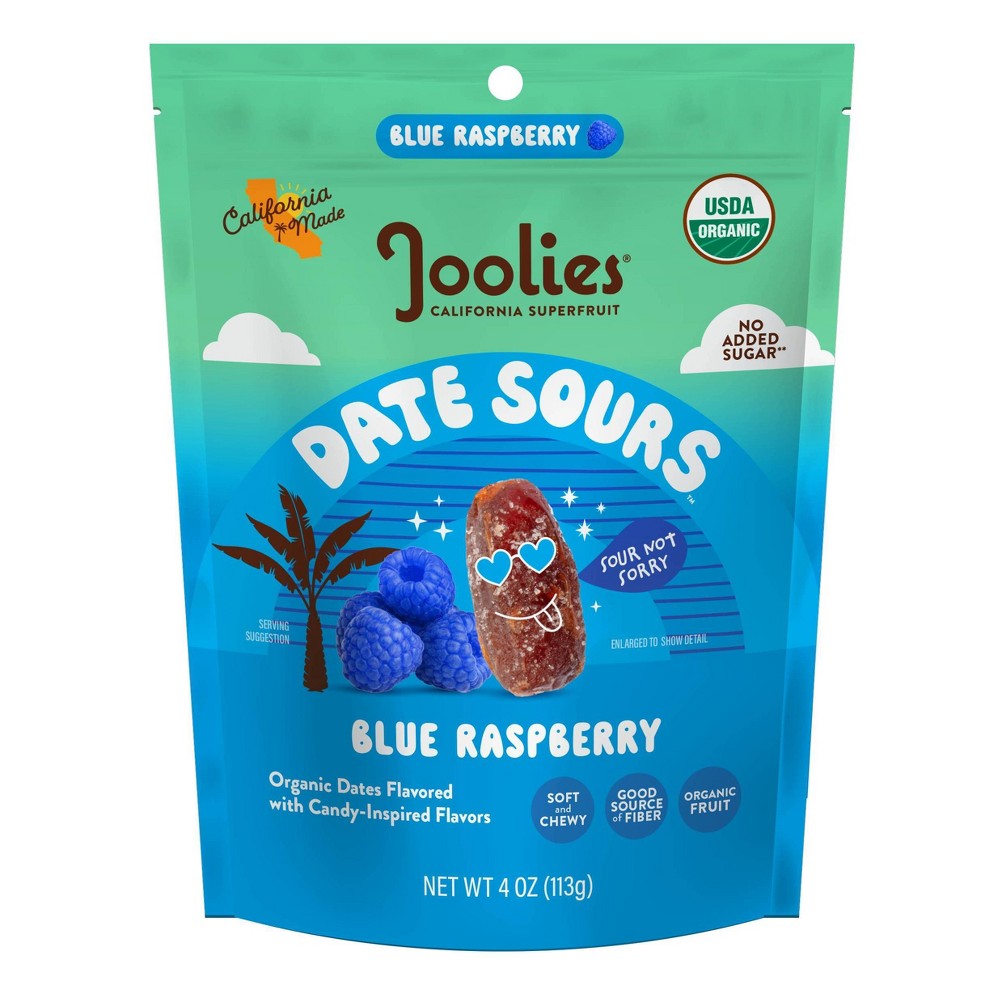

Joolies Date Sours Blue Raspberry - 4oz
Analysis updated June 2026 · How Scout scores
At a glance
Summary
This product is primarily made from pitted dates, which are a natural source of sugars and fiber, offering some nutritional benefits. However, the inclusion of 'natural flavors' introduces a level of processing that lacks transparency and could involve synthetic additives. The product's processing level limits its score, despite the presence of beneficial ingredients.
Key ingredients 5
Pitted DatesGood
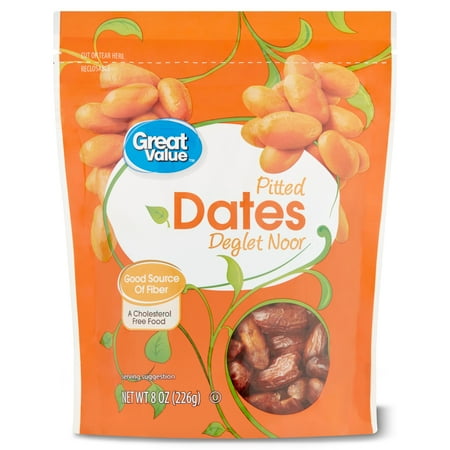
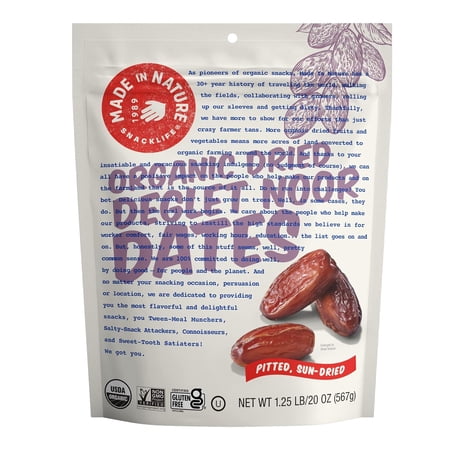
Pitted dates are a natural source of sugars and fiber, providing energy and aiding digestion. They are minimally processed, retaining most of their nutrients. Dates are also rich in antioxidants, which can help reduce inflammation.
Risks
High natural sugar content may not be suitable for individuals with blood sugar management concerns.
Benefits
Rich in dietary fiber and antioxidants, supporting digestive health and reducing oxidative stress.
Corn StarchNeutral
Corn starch is a common thickening agent used in food products. It is highly processed and primarily provides carbohydrates. While it is generally safe, it offers little nutritional value.
Risks
May contribute to increased blood sugar levels if consumed in large amounts.
Citric AcidNeutral
Citric acid is a natural preservative and flavor enhancer found in citrus fruits. It is widely used in food processing for its ability to add a sour taste and preserve freshness. While generally recognized as safe, it is often synthetically produced.
Risks
Excessive consumption may lead to dental erosion or stomach upset.
Benefits
Acts as a preservative and can enhance flavor without adding calories.
Malic AcidNeutral
Malic acid is a naturally occurring acid found in fruits, used to enhance flavor and acidity in foods. It is generally recognized as safe and contributes to the tartness of products. It is often used in conjunction with other acids to balance flavors.
Risks
High consumption may cause digestive discomfort in sensitive individuals.
Benefits
Enhances flavor and can improve the sensory profile of food products.
Natural FlavorsBad
Natural flavors are often used to enhance taste but can be derived from complex chemical processes. They lack transparency, making it difficult to assess their health impact. The term 'natural' does not guarantee the absence of synthetic additives.
Risks
Potential for allergic reactions or sensitivities due to undisclosed components.
Processing
Processed Foods
Get the full breakdown in the Scout appTake Scout shopping
Scan any product to see lab results, healthy alternatives, and your personalized analysis.
Download on theApp Store GET IT ONGoogle Play