
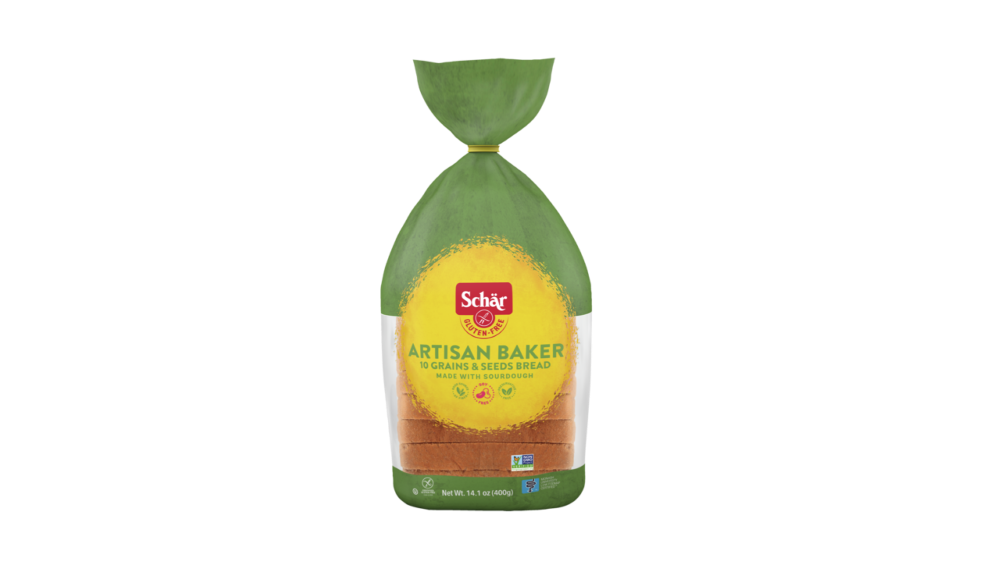




Artisan Baker 10 Grain & Seeds Bread Sour Dough
Summary
This bread contains beneficial ingredients like sourdough, psyllium seed husk, and various seeds, which enhance its nutritional profile and fiber content. However, the presence of sunflower oil, a seed oil high in omega-6 fatty acids, is a concern due to its potential to promote inflammation. Additionally, the product's processing level limits its score, as it is not minimally processed.
At a glance
Key ingredients 12
WaterNeutral
Water is a fundamental ingredient in bread making, providing moisture and aiding in the activation of yeast. It is a natural and unprocessed component with no additives. Water itself does not contribute any nutritional value but is essential for the dough's texture.
See more about Water →SourdoughGood
Sourdough is a fermented dough that enhances the flavor and texture of bread. The fermentation process can improve the digestibility of the bread and increase the availability of nutrients. It may also contribute beneficial probiotics to the diet.
Benefits
May improve gut health due to the presence of probiotics and enhance nutrient absorption.
Rice StarchNeutral
Rice starch is used as a thickening agent and to improve the texture of baked goods. It is a refined carbohydrate with minimal nutritional value. While it provides structure, it does not offer significant health benefits.
See more about Rice Starch →Corn StarchNeutral
Corn starch is a common thickening agent used in baking to improve texture. It is a refined carbohydrate and does not provide substantial nutritional benefits. Its primary role is functional rather than nutritional.
See more about Corn Starch →Modified CelluloseNeutral
Modified cellulose is used as a thickener and stabilizer in food products. It is derived from plant fibers and is generally considered safe. It does not contribute nutritional value but aids in maintaining product consistency.
Agave SyrupNeutral
Agave syrup is a natural sweetener derived from the agave plant. It has a lower glycemic index than regular sugar, which may be beneficial for blood sugar control. However, it is still a form of sugar and should be consumed in moderation.
Risks
Excessive consumption may lead to increased blood sugar levels and contribute to metabolic issues.
Benefits
Provides a natural sweetening option with a lower glycemic index compared to regular sugar.
Psyllium Seed HuskVery Good
Psyllium seed husk is a source of soluble fiber that can aid in digestion and promote regular bowel movements. It is known for its ability to absorb water and form a gel-like substance, which can help lower cholesterol levels. Its inclusion in bread can enhance fiber content and support digestive health.
Benefits
Rich in soluble fiber, which supports digestive health and may help lower cholesterol levels.
Sunflower OilVery Bad
Sunflower oil is a seed oil high in omega-6 fatty acids, which can promote inflammation if consumed in excess. It is often highly processed and refined, which can reduce its nutritional quality. The high omega-6 content is a concern for maintaining a balanced omega-3 to omega-6 ratio.
Risks
High omega-6 content may promote inflammation when consumed in excess.
Rice SyrupNeutral
Rice syrup is a sweetener made from fermented rice, often used as an alternative to refined sugars. It has a high glycemic index and can affect blood sugar levels. While it is a natural sweetener, it should be consumed in moderation.
Risks
May contribute to elevated blood sugar levels due to its high glycemic index.
Benefits
Provides a natural sweetening option, though with limited nutritional benefits.
Sunflower SeedsGood
Sunflower seeds are a nutrient-dense food rich in healthy fats, protein, and essential vitamins and minerals. They provide a good source of vitamin E, magnesium, and selenium, which support overall health. Their inclusion in bread can enhance nutritional value and add texture.
Benefits
Rich in healthy fats, protein, and essential nutrients like vitamin E and magnesium.
Pumpkin SeedsGood
Pumpkin seeds are a nutritious addition, offering healthy fats, protein, and a variety of vitamins and minerals. They are particularly high in magnesium, zinc, and antioxidants, which support immune function and heart health. Their presence in bread can boost nutritional content and provide a crunchy texture.
Benefits
High in magnesium, zinc, and antioxidants, supporting immune and heart health.
Millet FlourGood
Millet flour is a gluten-free grain flour that provides essential nutrients like magnesium, phosphorus, and B vitamins. It is a good source of fiber and can contribute to a balanced diet. Its use in bread can enhance nutritional diversity and cater to gluten-free dietary needs.
Benefits
Provides essential nutrients and is a good source of fiber, suitable for gluten-free diets.
Processing
Processed Foods
Get the full breakdown in the Scout app
Scan any product to see lab results, healthy alternatives, and your personalized analysis.
Download on theApp Store