
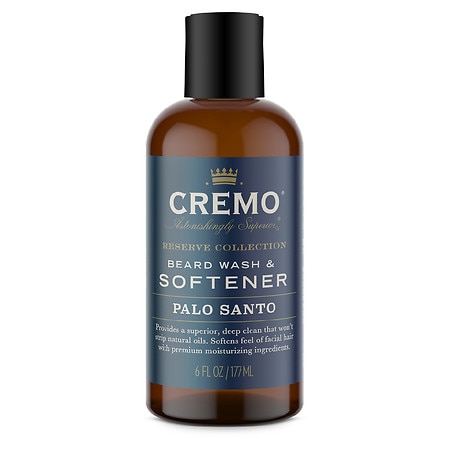
Cremo Palo Santo 2-in-1 Beard Wash and Softener - 6 fl oz
Analysis updated June 2026 · How Scout scores
At a glance
Summary
This beard wash and softener contains beneficial ingredients like Sodium Cocoyl Isethionate and Decyl Glucoside, which are mild surfactants derived from coconut oil, known for their gentle cleansing properties. However, the presence of fragrance, which can include synthetic chemicals with potential for allergic reactions or skin irritation, is a concern. The product is moderately processed, which impacts its overall score, but the use of eco-friendly and skin-friendly ingredients helps maintain a balanced rating.
Key ingredients 8
Sodium Cocoyl IsethionateGood
This surfactant is effective at cleansing while being gentle on the skin, making it a positive ingredient.
See more about Sodium Cocoyl Isethionate →Sodium IsethionateGood
A mild surfactant that helps cleanse without stripping moisture, contributing to skin comfort.
Decyl GlucosideGood
Derived from natural sugars, this surfactant is gentle and environmentally friendly, ideal for cleansing.
See more about Decyl Glucoside →GlycerinGood
Glycerin is a well-known humectant that attracts moisture to the skin, enhancing hydration.
See more about Glycerin →WaterNeutral
Water is a common base in many personal care products, providing hydration without added benefits or risks.
See more about Water →Cocamidopropyl BetaineNeutral
A common foam booster that generally enhances cleansing but has no significant beneficial or harmful effects.
See more about Cocamidopropyl Betaine →Disodium LaurethNeutral
A surfactant used for cleansing, with no significant positive or negative impact on its own.
Fragrance (Parfum)Very Bad
Fragrance can cause sensitivities or allergies in some users, which is why it is viewed negatively.
See more about Fragrance (Parfum) →Processing
Processed Foods
Get the full breakdown in the Scout appTake Scout shopping
Scan any product to see lab results, healthy alternatives, and your personalized analysis.
Download on theApp Store GET IT ONGoogle PlayAmazon pricing & content
Amazon price as of . Product prices and availability are accurate as of the date/time indicated and are subject to change. Any price and availability information displayed on Amazon.com at the time of purchase will apply to the purchase of this product.
CERTAIN CONTENT THAT APPEARS ON THIS SITE COMES FROM AMAZON. THIS CONTENT IS PROVIDED “AS IS” AND IS SUBJECT TO CHANGE OR REMOVAL AT ANY TIME.