
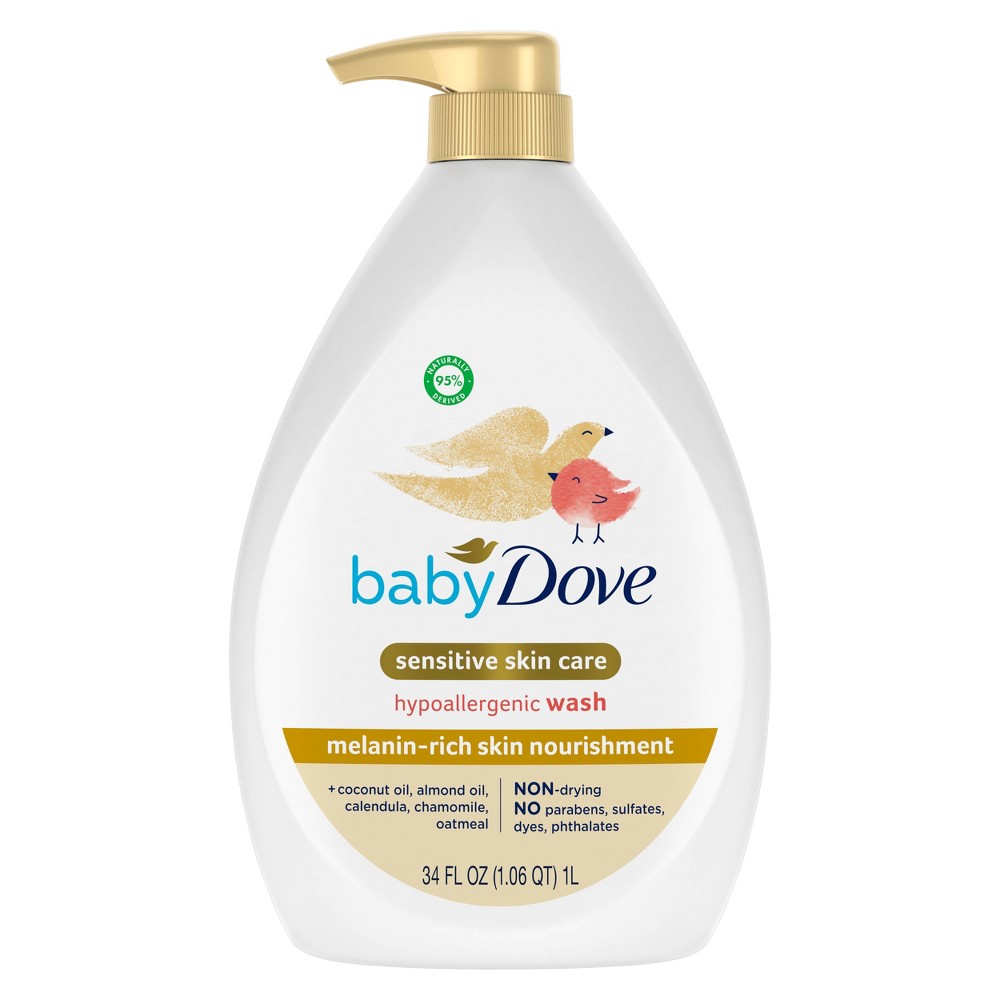
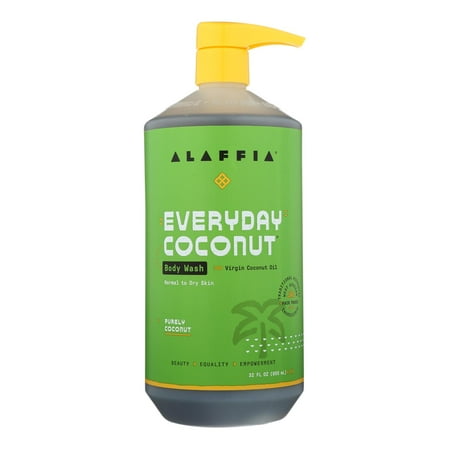
Baby Dove Rich Moisture Sensitive Skin Hypoallergenic Baby Wash - 34oz: Paraben-Free, Contains Coconut Oil, Pump Bottle, Liquid Form
Analysis updated August 2026 · How Scout scores
At a glance
Summary
This baby wash contains glycerin, a beneficial moisturizing ingredient, but also includes fragrance, which can cause skin irritation and allergic reactions. The presence of acrylates and synthetic fragrance detracts from its overall safety profile, although it avoids harsher surfactants like SLS. The formulation is moderately processed with some synthetic components, impacting its overall rating.
Key ingredients 13
GlycerinGood
Glycerin is a humectant that attracts moisture to the skin, helping to keep it hydrated. It is widely used in skincare products for its moisturizing properties. It is considered safe and beneficial for most skin types.
Risks
There are minimal risks associated with glycerin, though it may cause irritation in very rare cases.
Benefits
Glycerin helps to maintain skin hydration and improve skin barrier function.
Water (Aqua)Neutral
Water is a common solvent used in cosmetic formulations. It helps dissolve other ingredients and provides a base for the product. It is generally considered safe and non-irritating.
Risks
There are no significant risks associated with water in cosmetic products.
Benefits
Water helps to hydrate the skin and is essential for the formulation of liquid products.
Cocamidopropyl BetaineNeutral
Cocamidopropyl Betaine is a mild surfactant derived from coconut oil. It is used to create foam and cleanse the skin without being overly harsh. It is generally considered safe for use in personal care products.
Risks
Some individuals may experience skin irritation or allergic reactions.
Benefits
It provides gentle cleansing and helps to stabilize foam in formulations.
Sodium Lauroyl GlutamateNeutral
Sodium Lauroyl Glutamate is a mild surfactant used for its cleansing properties. It is derived from natural sources and is considered gentle on the skin. It is often used in products for sensitive skin.
Risks
There are minimal risks, though it may cause irritation in sensitive individuals.
Benefits
It provides effective cleansing while being gentle on the skin.
Sodium Methyl Lauroyl TaurateNeutral
Sodium Methyl Lauroyl Taurate is a mild surfactant that helps to cleanse the skin. It is known for being gentle and is often used in products for sensitive skin. It is considered safe for use in cosmetics.
Risks
There are minimal risks associated with this ingredient.
Benefits
It provides gentle cleansing and is suitable for sensitive skin.
Stearic AcidNeutral
Stearic Acid is a fatty acid used as an emulsifier and thickener in cosmetic products. It helps to stabilize formulations and improve texture. It is generally considered safe for use.
Risks
There are minimal risks, though it may cause irritation in sensitive individuals.
Benefits
It helps to stabilize and thicken formulations, improving product texture.
Citric AcidNeutral
Citric Acid is used to adjust the pH of cosmetic formulations. It is derived from citrus fruits and is generally considered safe for use. It can also act as a mild exfoliant.
Risks
In high concentrations, it may cause skin irritation.
Benefits
It helps to maintain the pH balance of the product and can provide mild exfoliation.
Glycol DistearateNeutral
Glycol Distearate is used as an opacifying agent and to improve the texture of cosmetic products. It is considered safe for use in personal care products. It helps to create a pearlescent appearance in formulations.
Risks
There are minimal risks associated with this ingredient.
Benefits
It enhances the visual appeal and texture of the product.
Tetrasodium EDTANeutral
Tetrasodium EDTA is a chelating agent used to improve the stability and efficacy of cosmetic formulations. It binds to metal ions, preventing them from affecting the product. It is generally considered safe for use.
Risks
There are minimal risks, though it may cause irritation in sensitive individuals.
Benefits
It enhances product stability and prevents metal ion interference.
Caprylyl GlycolNeutral
Caprylyl Glycol is used as a skin conditioning agent and preservative booster. It helps to improve skin hydration and extend the shelf life of products. It is considered safe for use in cosmetics.
Risks
There are minimal risks associated with this ingredient.
Benefits
It enhances skin hydration and boosts the efficacy of preservatives.
Sodium BenzoateBad
Synthetic preservative that can form benzene in the presence of vitamin C.
Risks
In high concentrations, it may cause skin irritation.
Benefits
It effectively preserves the product by inhibiting microbial growth.
Acrylates/C10-30 Alkyl Acrylate CrosspolymerBad
Processed additive flagged under Scout's ingredient doctrine.
Risks
There are minimal risks associated with this ingredient.
Benefits
It enhances the texture and stability of the product.
Fragrance (Parfum)Very Bad
Fragrance is used to impart scent to cosmetic products. It is a common cause of allergic reactions and skin irritation. The specific components of fragrance are often undisclosed, leading to potential safety concerns.
Risks
Fragrance can cause skin irritation, allergic reactions, and may contain undisclosed harmful chemicals.
Benefits
It provides a pleasant scent to the product.
Get the full breakdown in the Scout appTake Scout shopping
Scan any product to see lab results, healthy alternatives, and your personalized analysis.
Download on theApp Store GET IT ONGoogle Play