
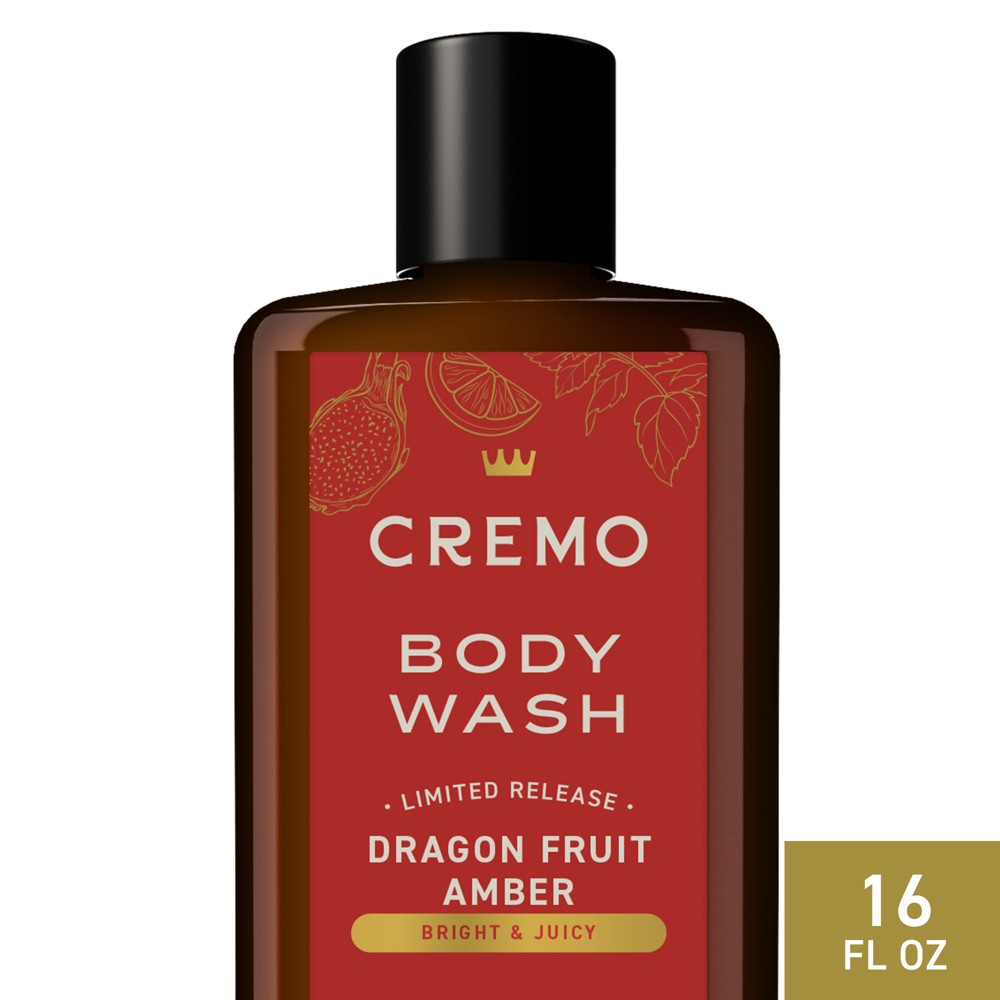
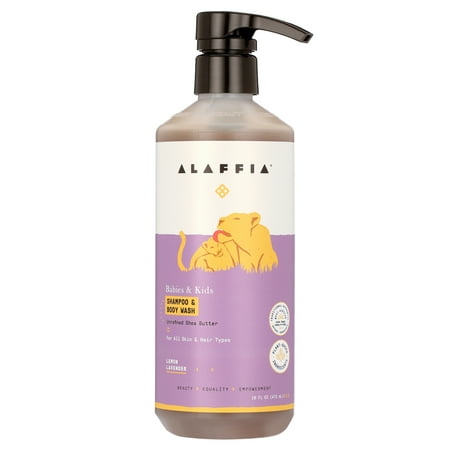
Cremo Body Wash - Dragon Fruit - 16 fl oz: Moisturizing, Basic Cleansing, Normal & Mature Skin, Whole Body Use
Summary
This body wash contains beneficial ingredients like glycerin, marula oil, and aloe vera, which provide moisturizing and soothing properties. However, it also includes potentially irritating components such as synthetic surfactants and undisclosed fragrance, which can cause skin sensitivities. The presence of phenoxyethanol and benzyl alcohol as preservatives further contributes to its moderate processing level, impacting the overall score.
At a glance
Key ingredients 18
WaterNeutral
Water is a neutral base ingredient used to dissolve other components. It is typically purified to remove impurities and contaminants. In this product, it serves as a solvent and carrier for other ingredients.
See more about Water →Sodium C14-16 Olefin SulfonateBad
Sodium C14-16 Olefin Sulfonate is a synthetic surfactant used for its cleansing properties. It is derived from petroleum and can be harsh on the skin, potentially stripping natural oils. Its use is common in personal care products for effective lathering.
Risks
May cause skin irritation or dryness, especially in sensitive individuals.
Sodium Coco-SulfateNeutral
Sodium Coco-Sulfate is a surfactant derived from coconut oil, used for its foaming and cleansing abilities. It is considered a milder alternative to sodium lauryl sulfate. It helps in removing dirt and oil from the skin.
Risks
May cause mild irritation in sensitive skin types.
Benefits
Derived from coconut oil, it is a more natural option compared to harsher sulfates.
Cocamidopropyl BetaineNeutral
Cocamidopropyl Betaine is a surfactant and foam booster derived from coconut oil. It is used to enhance the texture and feel of the product. It is generally considered mild and less irritating than other surfactants.
Risks
Potential for skin irritation or allergic reactions in some individuals.
Benefits
Provides mild cleansing and conditioning properties, improving product feel.
GlycerinVery Good
Glycerin is a humectant that attracts moisture to the skin, helping to maintain hydration. It is naturally derived and widely used in skincare for its moisturizing properties. It enhances skin barrier function and smoothness.
Benefits
Helps to keep the skin hydrated and soft, improving overall skin health.
Cocamide MIPANeutral
Cocamide MIPA is a surfactant and foam booster derived from coconut oil. It is used to stabilize foam and improve the texture of the product. It is considered relatively mild compared to other surfactants.
Risks
May cause skin irritation in sensitive individuals.
Benefits
Enhances the texture and foaming properties of the product.
FragranceBad
Fragrance is added to products to provide a pleasant scent but can be a mixture of various chemicals. It is often undisclosed, making it difficult to assess safety. Fragrances are a common cause of allergic reactions and sensitivities.
Risks
Potential for allergic reactions and skin irritation.
PEG-7 Glyceryl CocoateNeutral
PEG-7 Glyceryl Cocoate is an emollient and surfactant derived from coconut oil and ethylene glycol. It helps to moisturize and condition the skin. It is used to improve the spreadability and feel of the product.
Risks
Potential contamination with ethylene oxide or 1,4-dioxane during manufacturing.
Benefits
Provides moisturizing benefits and enhances product texture.
Sclerocarya Birrea Seed OilVery Good
Sclerocarya Birrea Seed Oil, also known as marula oil, is rich in antioxidants and fatty acids. It is known for its moisturizing and nourishing properties. It helps to improve skin elasticity and reduce inflammation.
Benefits
Rich in antioxidants, it provides anti-aging benefits and improves skin hydration.
Aloe Barbadensis Leaf JuiceVery Good
Aloe Barbadensis Leaf Juice is known for its soothing and hydrating properties. It is derived from the aloe vera plant and is used to calm irritated skin. It contains vitamins, minerals, and amino acids beneficial for skin health.
Benefits
Provides soothing and moisturizing benefits, aiding in skin repair and hydration.
TocopherolGood
Tocopherol, or Vitamin E, is an antioxidant that helps protect the skin from free radical damage. It is commonly used in skincare for its moisturizing and healing properties. It supports skin barrier function and reduces inflammation.
Benefits
Helps to protect and repair the skin, providing anti-aging benefits.
PhenoxyethanolBad
Phenoxyethanol is a preservative used to prevent microbial growth in products. It is a synthetic compound that can cause irritation in some individuals. It is often used as a safer alternative to parabens.
Risks
Potential for skin irritation and allergic reactions.
Sodium ChlorideNeutral
Sodium Chloride, or table salt, is used to thicken and stabilize formulations. It is a natural mineral that is generally safe for topical use. It helps to improve the texture and consistency of the product.
See more about Sodium Chloride →Benzyl AlcoholBad
Benzyl Alcohol is used as a preservative and solvent in cosmetic products. It is a naturally occurring compound but can be irritating to the skin and eyes. It is often used to enhance the fragrance of products.
Risks
Potential for skin irritation and allergic reactions.
Hydroxypropyl Guar Hydroxypropyltrimonium ChlorideNeutral
This ingredient is a conditioning agent derived from guar gum, used to improve the texture and feel of hair and skin products. It helps to reduce static and enhance smoothness. It is considered safe for use in personal care products.
Benefits
Improves the conditioning and feel of the product, enhancing user experience.
Citric AcidNeutral
Citric Acid is used to adjust the pH of cosmetic products and as a preservative. It is naturally found in citrus fruits and is generally recognized as safe. It helps to maintain product stability and effectiveness.
Risks
May cause mild irritation in sensitive skin types.
Benefits
Helps to maintain the stability and pH balance of the product.
Disodium EDTANeutral
Disodium EDTA is a chelating agent used to improve the stability and efficacy of cosmetic products. It binds to metal ions, preventing them from affecting the product's performance. It is widely used in personal care formulations.
Benefits
Enhances product stability and shelf life by binding metal ions.
Dehydroacetic AcidNeutral
Dehydroacetic Acid is a preservative used to inhibit the growth of microorganisms in cosmetic products. It is considered a safer alternative to parabens. It helps to extend the shelf life of the product.
Benefits
Provides antimicrobial protection, enhancing product safety and longevity.
Processing
Processed Foods
Get the full breakdown in the Scout app
Scan any product to see lab results, healthy alternatives, and your personalized analysis.
Download on theApp Store