
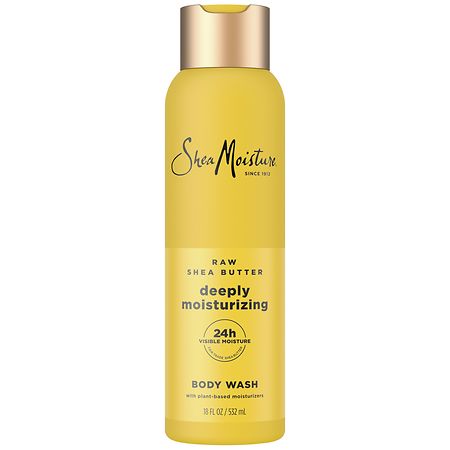
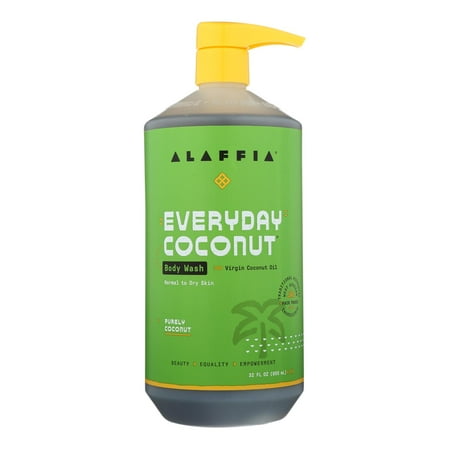
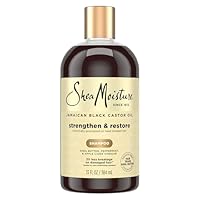

SheaMoisture Moisturizing Body Wash for Women Raw Shea Butter for Dry Skin 18 oz
SheaMoistureAnalysis updated October 2026 · How Scout scores
At a glance
Summary
This body wash contains beneficial ingredients like shea butter, aloe vera, and coconut oil, which are known for their moisturizing and soothing properties. However, the presence of fragrance, which can include undisclosed chemicals and potential allergens, slightly detracts from its overall safety profile. The product avoids harsh surfactants and other major harmful additives, resulting in a balanced formulation with both natural and synthetic components.
Key ingredients 29
Aloe Barbadensis Leaf Juice PowderVery Good
Aloe vera is known for its soothing and moisturizing properties, making it beneficial for dry skin. It contains vitamins, enzymes, and amino acids that can help improve skin health.
Risks
Rarely, aloe vera can cause allergic reactions in sensitive individuals.
Benefits
Aloe vera provides hydration and can help soothe irritated skin.
Butyrospermum Parkii (Shea) ButterVery Good
Shea butter is a natural fat extracted from the nuts of the shea tree, known for its moisturizing and emollient properties. It is rich in vitamins A and E, which help nourish and protect the skin.
Risks
There are minimal risks, though some individuals may experience allergic reactions.
Benefits
Shea butter deeply moisturizes and softens the skin, making it ideal for dry skin.
GlycerinVery Good
Glycerin is a humectant that attracts moisture to the skin, helping to keep it hydrated. It is widely used in skincare for its moisturizing properties.
Risks
There are no significant risks associated with glycerin.
Benefits
Glycerin helps maintain skin hydration and improves skin barrier function.
Cocos Nucifera (Coconut) OilVery Good
Coconut oil is a natural emollient known for its moisturizing and antibacterial properties. It helps to nourish and protect the skin, making it softer and smoother.
Risks
May clog pores in acne-prone skin.
Benefits
Coconut oil deeply moisturizes and can help reduce inflammation.
TocopherolVery Good
Tocopherol, or vitamin E, is a powerful antioxidant that helps protect the skin from free radical damage. It also has moisturizing and anti-inflammatory properties.
Risks
There are minimal risks, though it may cause irritation in very sensitive skin.
Benefits
Vitamin E helps to protect and nourish the skin, improving its overall health.
Sodium Cocoyl IsethionateGood
Sodium cocoyl isethionate is a mild surfactant derived from coconut oil, used for its gentle cleansing properties. It is less irritating than traditional sulfates.
Risks
It may cause mild irritation in very sensitive skin types.
Benefits
It provides a gentle cleansing action without stripping the skin's natural oils.
Glycine Soja (Soybean) OilGood
Soybean oil is rich in fatty acids and vitamin E, which help nourish and protect the skin. It acts as an emollient, providing moisture and improving skin texture.
Risks
May cause allergic reactions in individuals sensitive to soy.
Benefits
It helps to moisturize and condition the skin, improving its overall appearance.
Commiphora Myrrha OilGood
Myrrh oil is known for its anti-inflammatory and antimicrobial properties. It can help soothe irritated skin and promote healing.
Risks
May cause skin irritation in sensitive individuals.
Benefits
It helps to soothe and protect the skin, reducing inflammation.
Boswellia Carterii OilGood
Frankincense oil is valued for its anti-inflammatory and skin-rejuvenating properties. It can help improve skin tone and reduce the appearance of scars.
Risks
May cause allergic reactions in some individuals.
Benefits
It helps to rejuvenate and improve the appearance of the skin.
Decyl GlucosideGood
Decyl glucoside is a mild, non-ionic surfactant derived from glucose and coconut oil. It is known for its gentle cleansing properties and is suitable for sensitive skin.
Risks
There are minimal risks, though it may cause mild irritation in very sensitive skin.
Benefits
It provides gentle cleansing without stripping the skin's natural oils.
Water (Aqua)Neutral
Water is a universal solvent and is used as a base in many cosmetic formulations. It helps dissolve other ingredients and provides a medium for them to interact. It does not have any direct benefits or risks in this context.
Risks
There are no significant risks associated with water in cosmetic formulations.
Benefits
Water helps in the application and spreadability of the product.
Cocamidopropyl BetaineNeutral
Cocamidopropyl betaine is a mild surfactant used to create foam and cleanse the skin. It is derived from coconut oil and is generally considered safe for use in cosmetics.
Risks
It can cause skin irritation in some individuals, especially those with sensitive skin.
Benefits
It helps in cleansing the skin without being as harsh as other surfactants.
Sodium Hydroxypropyl Starch PhosphateNeutral
This ingredient is used as a thickening agent and stabilizer in cosmetic formulations. It helps improve the texture and consistency of the product.
Risks
There are no significant risks associated with this ingredient.
Benefits
It enhances the product's texture, making it easier to apply.
Hydrogenated Soybean OilNeutral
Hydrogenated soybean oil is used as an emollient and thickening agent in cosmetics. It helps to moisturize and condition the skin.
Risks
There are minimal risks, though it may cause allergic reactions in those sensitive to soy.
Benefits
It helps to soften and smooth the skin.
Sodium BenzoateNeutral
Sodium benzoate is a preservative used to prevent microbial growth in cosmetic products. It is generally recognized as safe when used in appropriate concentrations.
Risks
In rare cases, it can cause skin irritation or allergic reactions.
Benefits
It helps extend the shelf life of the product by preventing spoilage.
Stearic AcidNeutral
Stearic acid is a fatty acid used as an emulsifier and thickener in cosmetics. It helps stabilize formulations and improve texture.
Risks
There are no significant risks associated with stearic acid.
Benefits
It helps to improve the texture and stability of the product.
Palmitic AcidNeutral
Palmitic acid is a fatty acid used as an emollient and thickener in cosmetics. It helps to moisturize and condition the skin.
Risks
There are no significant risks associated with palmitic acid.
Benefits
It helps to soften and smooth the skin.
Lauric AcidNeutral
Lauric acid is a fatty acid with antimicrobial properties, used in cosmetics for its cleansing and conditioning effects. It is derived from coconut oil.
Risks
May cause irritation in sensitive skin.
Benefits
It helps to cleanse and condition the skin, providing antimicrobial benefits.
Guar Hydroxypropyltrimonium ChlorideNeutral
This ingredient is a conditioning agent derived from guar gum, used to improve the texture and feel of hair and skin products. It helps to reduce static and improve manageability.
Risks
There are no significant risks associated with this ingredient.
Benefits
It helps to condition and improve the texture of the skin.
Citric AcidNeutral
Citric acid is used to adjust the pH of cosmetic formulations and has mild exfoliating properties. It helps to maintain the stability and effectiveness of the product.
Risks
May cause irritation in sensitive skin if used in high concentrations.
Benefits
It helps to balance the pH and improve the stability of the product.
Sodium Stearoyl LactylateNeutral
Sodium stearoyl lactylate is an emulsifier used to blend oil and water in formulations. It helps improve the texture and consistency of the product.
Risks
There are no significant risks associated with this ingredient.
Benefits
It helps to stabilize and improve the texture of the product.
Sodium Lauroyl IsethionateNeutral
Sodium lauroyl isethionate is a mild surfactant used for its cleansing and foaming properties. It is less irritating than traditional sulfates.
Risks
May cause mild irritation in sensitive skin.
Benefits
It provides a gentle cleansing action suitable for sensitive skin.
Sodium Methyl Lauroyl TaurateNeutral
This ingredient is a mild surfactant used for its cleansing and foaming properties. It is derived from coconut oil and is considered gentle on the skin.
Risks
May cause mild irritation in sensitive skin.
Benefits
It helps to cleanse the skin gently without causing dryness.
Sodium GluconateNeutral
Sodium gluconate is a chelating agent used to improve the stability and efficacy of cosmetic formulations. It helps to prevent the degradation of other ingredients.
Risks
There are no significant risks associated with sodium gluconate.
Benefits
It helps to stabilize the product and enhance its effectiveness.
Caprylyl GlycolNeutral
Caprylyl glycol is used as a skin conditioning agent and preservative booster. It helps to improve the texture and feel of the product.
Risks
There are no significant risks associated with caprylyl glycol.
Benefits
It helps to condition the skin and enhance the preservation of the product.
Potassium SorbateNeutral
Potassium sorbate is a preservative used to prevent the growth of mold and yeast in cosmetic products. It is generally recognized as safe when used in appropriate concentrations.
Risks
May cause skin irritation in sensitive individuals.
Benefits
It helps to extend the shelf life of the product by preventing microbial growth.
CoumarinNeutral
Coumarin is a fragrance ingredient used to impart a sweet, vanilla-like scent. It is naturally occurring in some plants.
Risks
May cause allergic reactions in sensitive individuals.
Benefits
It enhances the fragrance profile of the product.
HydroxycitronellalNeutral
Hydroxycitronellal is a fragrance ingredient used for its floral scent. It is commonly used in perfumes and cosmetics.
Risks
May cause skin irritation or allergic reactions in sensitive individuals.
Benefits
It provides a floral scent to the product.
Fragrance (Parfum)Bad
Fragrance is used to impart a pleasant scent to cosmetic products, but it can contain a mixture of undisclosed chemicals. It is a common cause of allergic reactions and skin irritation.
Risks
Fragrance can cause skin irritation and allergic reactions, especially in sensitive individuals.
Benefits
It provides a pleasant scent to the product.
Get the full breakdown in the Scout appTake Scout shopping
Scan any product to see lab results, healthy alternatives, and your personalized analysis.
Download on theApp Store GET IT ONGoogle PlayAmazon pricing & content
Amazon price as of . Product prices and availability are accurate as of the date/time indicated and are subject to change. Any price and availability information displayed on Amazon.com at the time of purchase will apply to the purchase of this product.
CERTAIN CONTENT THAT APPEARS ON THIS SITE COMES FROM AMAZON. THIS CONTENT IS PROVIDED “AS IS” AND IS SUBJECT TO CHANGE OR REMOVAL AT ANY TIME.