

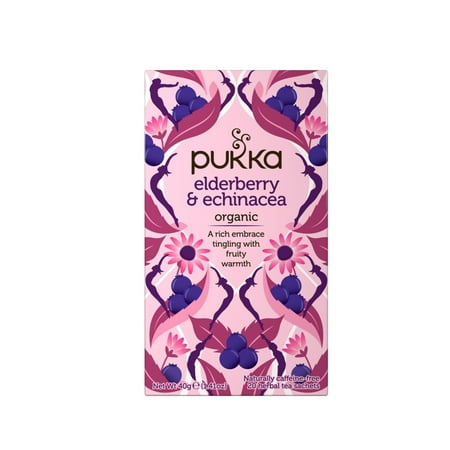
Pukka Organic Herbal Tea Lemon Ginger Manuka Honey Caffeine-Free Tea Bags 20 Count
Analysis updated July 2026 · How Scout scores
At a glance
Summary
This herbal tea features a clean ingredient list with organic components such as ginger root, licorice root, and lemon peel, which are known for their health benefits and lack of synthetic additives. The absence of artificial flavors, colors, and preservatives contributes to its high rating, although the processing level limits the maximum score. The organic certification ensures the ingredients are free from harmful chemicals, enhancing the overall quality of the product.
Key ingredients 10
Ginger RootVery Good
Ginger root is known for its anti-inflammatory and antioxidant properties, which can aid digestion and reduce nausea. Being organic, it is free from synthetic pesticides and fertilizers, enhancing its health benefits. It is a staple in herbal teas for its warming and soothing effects.
Benefits
Rich in gingerol, it supports digestive health and may help reduce inflammation.
Lemon PeelVery Good
Lemon peel is high in vitamin C and other antioxidants, which can boost the immune system. The organic nature ensures it is free from pesticide residues. It adds a refreshing citrus flavor to the tea.
Benefits
Provides antioxidants and vitamin C, supporting immune health.
Turmeric RootVery Good
Turmeric root is renowned for its anti-inflammatory and antioxidant properties, largely due to curcumin. Organic turmeric is free from synthetic additives, maximizing its health benefits. It is a popular ingredient in wellness teas for its potential health benefits.
Benefits
Contains curcumin, which may reduce inflammation and support joint health.
Licorice RootGood
Licorice root is often used for its soothing effects on the digestive system and its potential to support respiratory health. The organic certification ensures it is free from harmful chemicals. It can also add a natural sweetness to herbal blends.
Risks
Excessive consumption may lead to increased blood pressure and reduced potassium levels.
Benefits
Contains glycyrrhizin, which may help soothe the stomach and support respiratory health.
Sweet Fennel SeedGood
Sweet fennel seed is valued for its digestive benefits and ability to relieve bloating and gas. Being organic, it is cultivated without synthetic inputs, preserving its natural properties. It also adds a mild, sweet flavor to teas.
Benefits
Rich in dietary fiber and antioxidants, supporting digestive health.
ElderflowerGood
Elderflower is traditionally used for its anti-inflammatory and antiviral properties, often in cold and flu remedies. Organic elderflower is free from synthetic chemicals, enhancing its natural benefits. It imparts a floral aroma to herbal teas.
Benefits
May support immune function and reduce inflammation.
Lemon Verbena LeafGood
Lemon verbena leaf is known for its calming effects and potential to aid digestion. The organic certification ensures it is grown without harmful chemicals. It adds a lemony fragrance and flavor to the tea.
Benefits
May help reduce stress and improve digestion.
Lemon Essential OilGood
Lemon essential oil is used for its refreshing aroma and potential mood-enhancing properties. Being organic, it is extracted without synthetic solvents, preserving its purity. It enhances the citrus profile of the tea.
Benefits
May improve mood and provide a refreshing citrus aroma.
Lemon Myrtle LeafGood
Lemon myrtle leaf is high in antioxidants and has a strong lemon flavor, often used for its antimicrobial properties. Organic cultivation ensures it is free from harmful chemicals. It contributes a robust lemon flavor to the tea.
Benefits
Rich in antioxidants, supporting overall health and wellness.
Dried Manuka HoneyGood
Dried manuka honey is known for its antibacterial properties and unique flavor profile. Organic manuka honey is produced without synthetic chemicals, enhancing its natural benefits. It adds a subtle sweetness and depth to the tea.
Benefits
Contains methylglyoxal, which may support immune health and provide antibacterial effects.
Processing
Processed Foods
Get the full breakdown in the Scout appTake Scout shopping
Scan any product to see lab results, healthy alternatives, and your personalized analysis.
Download on theApp Store GET IT ONGoogle Play