

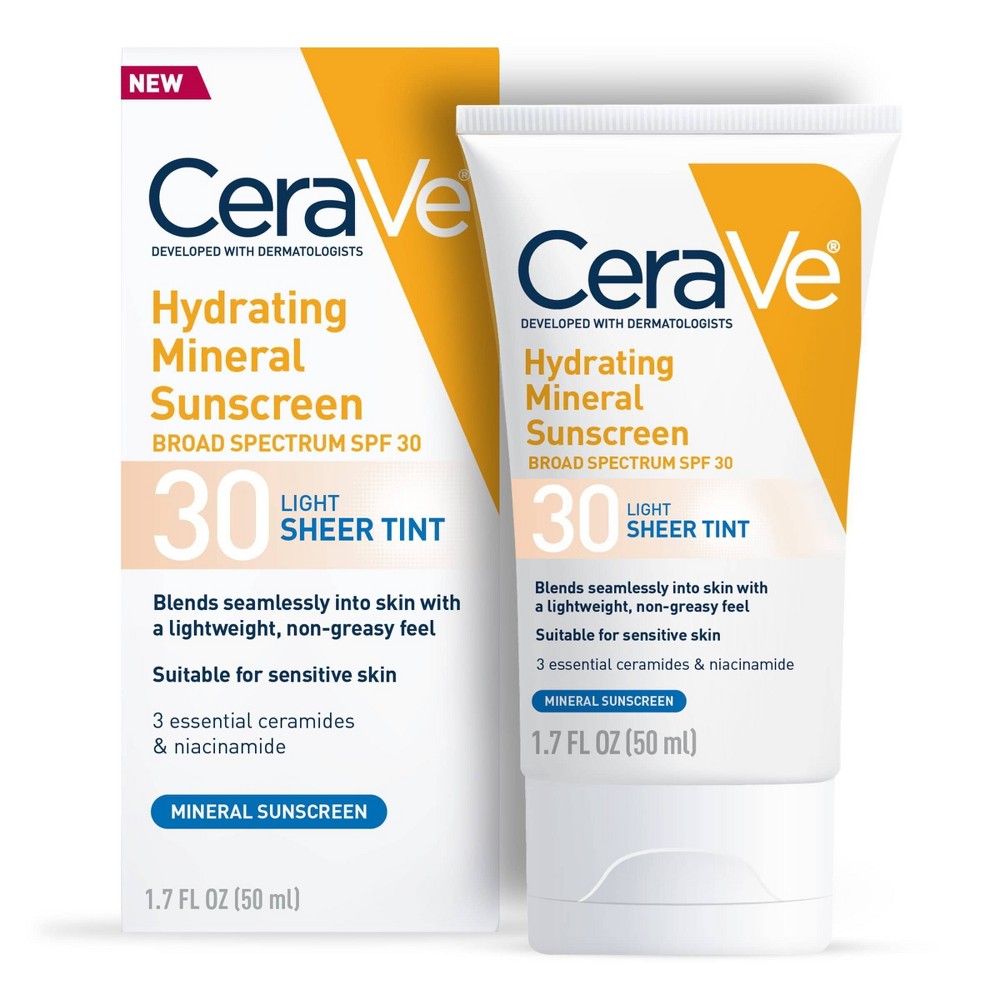
Supergoop! PLAY Everyday Hydrating Body & Face Sunscreen Lotion - SPF 50 - 5.5 fl oz
Summary
This sunscreen contains beneficial ingredients like rice bran extract, rosemary leaf extract, and tocopherol, which are known for their antioxidant properties. However, it also includes chemical UV filters such as avobenzone, homosalate, and octocrylene, which can be concerning due to potential endocrine disruption. The presence of synthetic compounds and the processed nature of the product limit its score, despite the inclusion of some natural extracts.
At a glance
Key ingredients 37
WaterNeutral
Water is a common solvent used in cosmetic formulations. It helps to dissolve other ingredients and provides a base for the product. It does not have any direct benefits or risks.
Risks
There are no significant risks associated with water in cosmetic products.
Benefits
Water helps to hydrate the skin by providing moisture.
Acrylates CopolymerNeutral
Acrylates Copolymer is used as a film-forming agent in cosmetics. It helps to provide water resistance and improve the texture of the product. It is generally considered safe for use in cosmetics.
Risks
There are minimal risks associated with Acrylates Copolymer, though it may cause irritation in sensitive individuals.
Benefits
It enhances the product's water resistance, making it more effective as a sunscreen.
IsododecaneNeutral
Isododecane is used as an emollient and solvent in cosmetics. It helps to create a smooth application and quick-drying finish. It is generally considered safe for use in cosmetics.
Risks
Isododecane is generally non-irritating, but it can cause dryness in some skin types.
Benefits
It provides a lightweight feel and helps the product spread easily on the skin.
GlycerinVery Good
Glycerin is a humectant that attracts moisture to the skin. It is widely used in skincare for its hydrating properties. It is considered safe and beneficial for most skin types.
Risks
There are minimal risks associated with glycerin, though it may cause irritation in very sensitive skin.
Benefits
Glycerin helps to maintain skin hydration and improve skin barrier function.
Potassium Cetyl PhosphateNeutral
Potassium Cetyl Phosphate is an emulsifying agent that helps to blend oil and water components. It stabilizes the formulation and improves texture. It is generally considered safe for use in cosmetics.
Risks
There are minimal risks associated with this ingredient, though it may cause irritation in sensitive individuals.
Benefits
It helps to maintain the stability and consistency of the product.
Lauryl LactateNeutral
Lauryl Lactate is used as an emollient and skin conditioning agent. It helps to soften and smooth the skin. It is generally considered safe for use in cosmetics.
Risks
There are minimal risks associated with Lauryl Lactate, though it may cause irritation in sensitive individuals.
Benefits
It provides a smooth feel and helps to condition the skin.
Isodecyl NeopentanoateNeutral
Isodecyl Neopentanoate is used as an emollient and skin conditioning agent. It provides a silky feel and helps to improve the spreadability of the product. It is generally considered safe for use in cosmetics.
Risks
There are minimal risks associated with this ingredient, though it may cause irritation in sensitive individuals.
Benefits
It enhances the texture and application of the product.
Diisopropyl SebacateNeutral
Diisopropyl Sebacate is used as an emollient and solvent in cosmetics. It helps to improve the spreadability and feel of the product. It is generally considered safe for use in cosmetics.
Risks
There are minimal risks associated with this ingredient, though it may cause irritation in sensitive individuals.
Benefits
It provides a lightweight, non-greasy feel to the product.
Oryza Sativa (Rice) Bran ExtractGood
Rice Bran Extract is rich in antioxidants and nutrients. It helps to nourish and protect the skin from environmental damage. It is considered beneficial for skin health.
Risks
There are minimal risks associated with Rice Bran Extract, though it may cause irritation in very sensitive skin.
Benefits
It provides antioxidant protection and helps to improve skin texture.
Helianthus Annuus (Sunflower) ExtractGood
Sunflower Extract is rich in vitamins and fatty acids. It helps to moisturize and protect the skin. It is considered beneficial for skin health.
Risks
There are minimal risks associated with Sunflower Extract, though it may cause irritation in very sensitive skin.
Benefits
It provides moisturizing benefits and helps to maintain skin barrier function.
Rosmarinus Officinalis (Rosemary) Leaf ExtractGood
Rosemary Leaf Extract is known for its antioxidant and anti-inflammatory properties. It helps to protect the skin from environmental damage. It is considered beneficial for skin health.
Risks
There are minimal risks associated with Rosemary Extract, though it may cause irritation in very sensitive skin.
Benefits
It provides antioxidant protection and helps to soothe the skin.
PanthenolVery Good
Panthenol, also known as provitamin B5, is a moisturizing and soothing agent. It helps to improve skin hydration and reduce inflammation. It is considered highly beneficial for skin health.
Risks
There are minimal risks associated with Panthenol, though it may cause irritation in very sensitive skin.
Benefits
It enhances skin hydration and promotes healing of the skin barrier.
TocopherolVery Good
Tocopherol, or Vitamin E, is a powerful antioxidant. It helps to protect the skin from oxidative stress and environmental damage. It is considered highly beneficial for skin health.
Risks
There are minimal risks associated with Tocopherol, though it may cause irritation in very sensitive skin.
Benefits
It provides antioxidant protection and helps to improve skin texture.
AllantoinVery Good
Allantoin is known for its soothing and skin conditioning properties. It helps to calm irritated skin and promote healing. It is considered highly beneficial for sensitive skin.
Risks
There are minimal risks associated with Allantoin, though it may cause irritation in very sensitive skin.
Benefits
It soothes and protects the skin, promoting a healthy skin barrier.
Brassica Campestris/Aleurites Fordi Oil CopolymerNeutral
This copolymer is used as a film-forming agent in cosmetics. It helps to improve the texture and stability of the product. It is generally considered safe for use in cosmetics.
Risks
There are minimal risks associated with this ingredient, though it may cause irritation in sensitive individuals.
Benefits
It enhances the product's texture and stability.
Cetyl AlcoholNeutral
Cetyl Alcohol is a fatty alcohol used as an emollient and thickener. It helps to soften and smooth the skin. It is generally considered safe for use in cosmetics.
Risks
There are minimal risks associated with Cetyl Alcohol, though it may cause irritation in sensitive individuals.
Benefits
It provides a smooth feel and helps to condition the skin.
Cetearyl OlivateNeutral
Cetearyl Olivate is an emulsifier derived from olive oil. It helps to blend oil and water components and improve the texture of the product. It is generally considered safe for use in cosmetics.
Risks
There are minimal risks associated with Cetearyl Olivate, though it may cause irritation in sensitive individuals.
Benefits
It helps to maintain the stability and consistency of the product.
HydroxyacetophenoneNeutral
Hydroxyacetophenone is used as an antioxidant and preservative booster. It helps to protect the product from degradation. It is generally considered safe for use in cosmetics.
Risks
There are minimal risks associated with Hydroxyacetophenone, though it may cause irritation in sensitive individuals.
Benefits
It enhances the stability and shelf life of the product.
Ammonium Acryloyldimethyltaurate/VP CopolymerNeutral
This copolymer is used as a thickening and stabilizing agent in cosmetics. It helps to improve the texture and consistency of the product. It is generally considered safe for use in cosmetics.
Risks
There are minimal risks associated with this ingredient, though it may cause irritation in sensitive individuals.
Benefits
It enhances the product's texture and stability.
Diethylhexyl SyringylidenemalonateNeutral
Diethylhexyl Syringylidenemalonate is used as a UV filter and antioxidant. It helps to protect the skin from UV damage. It is generally considered safe for use in cosmetics.
Risks
There are minimal risks associated with this ingredient, though it may cause irritation in sensitive individuals.
Benefits
It provides UV protection and antioxidant benefits.
Sorbitan OlivateNeutral
Sorbitan Olivate is an emulsifier derived from olive oil. It helps to blend oil and water components and improve the texture of the product. It is generally considered safe for use in cosmetics.
Risks
There are minimal risks associated with Sorbitan Olivate, though it may cause irritation in sensitive individuals.
Benefits
It helps to maintain the stability and consistency of the product.
EthylhexylglycerinNeutral
Ethylhexylglycerin is used as a skin conditioning agent and preservative enhancer. It helps to improve the efficacy of preservatives. It is generally considered safe for use in cosmetics.
Risks
There are minimal risks associated with Ethylhexylglycerin, though it may cause irritation in sensitive individuals.
Benefits
It enhances the preservation and conditioning of the product.
Cetyl StearateNeutral
Cetyl Stearate is used as an emollient and thickener in cosmetics. It helps to soften and smooth the skin. It is generally considered safe for use in cosmetics.
Risks
There are minimal risks associated with Cetyl Stearate, though it may cause irritation in sensitive individuals.
Benefits
It provides a smooth feel and helps to condition the skin.
Xanthan GumNeutral
Xanthan Gum is used as a thickening and stabilizing agent in cosmetics. It helps to improve the texture and consistency of the product. It is generally considered safe for use in cosmetics.
Risks
There are minimal risks associated with Xanthan Gum, though it may cause irritation in sensitive individuals.
Benefits
It enhances the product's texture and stability.
1, 2-HexanediolNeutral
1, 2-Hexanediol is used as a solvent and preservative in cosmetics. It helps to improve the stability and shelf life of the product. It is generally considered safe for use in cosmetics.
Risks
There are minimal risks associated with 1, 2-Hexanediol, though it may cause irritation in sensitive individuals.
Benefits
It enhances the preservation and stability of the product.
Caprylyl GlycolNeutral
Caprylyl Glycol is used as a skin conditioning agent and preservative enhancer. It helps to improve the efficacy of preservatives. It is generally considered safe for use in cosmetics.
Risks
There are minimal risks associated with Caprylyl Glycol, though it may cause irritation in sensitive individuals.
Benefits
It enhances the preservation and conditioning of the product.
Isostearyl IsostearateNeutral
Isostearyl Isostearate is used as an emollient and skin conditioning agent. It helps to soften and smooth the skin. It is generally considered safe for use in cosmetics.
Risks
There are minimal risks associated with Isostearyl Isostearate, though it may cause irritation in sensitive individuals.
Benefits
It provides a smooth feel and helps to condition the skin.
Trisodium Ethylenediamine DisuccinateNeutral
Trisodium Ethylenediamine Disuccinate is used as a chelating agent in cosmetics. It helps to stabilize the formulation by binding metal ions. It is generally considered safe for use in cosmetics.
Risks
There are minimal risks associated with this ingredient, though it may cause irritation in sensitive individuals.
Benefits
It enhances the stability and efficacy of the product.
Caprylic/Capric TriglycerideGood
Caprylic/Capric Triglyceride is used as an emollient and skin conditioning agent. It helps to moisturize and soften the skin. It is considered beneficial for skin health.
Risks
There are minimal risks associated with this ingredient, though it may cause irritation in very sensitive skin.
Benefits
It provides moisturizing benefits and helps to improve skin texture.
Pentasodium TriphosphateNeutral
Pentasodium Triphosphate is used as a chelating agent in cosmetics. It helps to stabilize the formulation by binding metal ions. It is generally considered safe for use in cosmetics.
Risks
There are minimal risks associated with this ingredient, though it may cause irritation in sensitive individuals.
Benefits
It enhances the stability and efficacy of the product.
Stearic AcidNeutral
Stearic Acid is used as an emulsifier and thickener in cosmetics. It helps to stabilize the formulation and improve texture. It is generally considered safe for use in cosmetics.
Risks
There are minimal risks associated with Stearic Acid, though it may cause irritation in sensitive individuals.
Benefits
It enhances the product's texture and stability.
Citric AcidNeutral
Citric Acid is used as a pH adjuster and chelating agent in cosmetics. It helps to stabilize the formulation and improve efficacy. It is generally considered safe for use in cosmetics.
Risks
There are minimal risks associated with Citric Acid, though it may cause irritation in sensitive individuals.
Benefits
It enhances the stability and efficacy of the product.
ChlorphenesinNeutral
Chlorphenesin is used as a preservative in cosmetics. It helps to prevent microbial growth and extend the shelf life of the product. It is generally considered safe for use in cosmetics.
Risks
There are minimal risks associated with Chlorphenesin, though it may cause irritation in sensitive individuals.
Benefits
It enhances the preservation and safety of the product.
AvobenzoneBad
Avobenzone is a chemical sunscreen agent that provides broad-spectrum UV protection. However, it can degrade in sunlight, reducing its effectiveness. It is considered a potential irritant for sensitive skin.
Risks
Avobenzone may cause skin irritation and allergic reactions in sensitive individuals.
Benefits
It provides effective UVA protection, helping to prevent sun damage.
HomosalateVery Bad
Homosalate is a chemical sunscreen agent that absorbs UVB rays. However, it is known to be a potential endocrine disruptor and can accumulate in the body. It is considered a high-risk ingredient in sunscreens.
Risks
Homosalate may disrupt hormone function and cause skin irritation.
Benefits
It provides UVB protection, helping to prevent sunburn.
OctisalateNeutral
Octisalate is a chemical sunscreen agent that helps to stabilize other sunscreen ingredients. It provides UVB protection and is generally considered safe for use in cosmetics.
Risks
Octisalate may cause skin irritation in sensitive individuals.
Benefits
It enhances the effectiveness of other sunscreen agents and provides UVB protection.
OctocryleneBad
Octocrylene is a chemical sunscreen agent that absorbs UVB and short UVA rays. However, it can cause skin irritation and has been linked to potential environmental concerns. It is considered a moderate-risk ingredient in sunscreens.
Risks
Octocrylene may cause skin irritation and has potential environmental impact.
Benefits
It provides broad-spectrum UV protection, helping to prevent sun damage.
Processing
Processed Foods
Get the full breakdown in the Scout app
Scan any product to see lab results, healthy alternatives, and your personalized analysis.
Download on theApp Store