
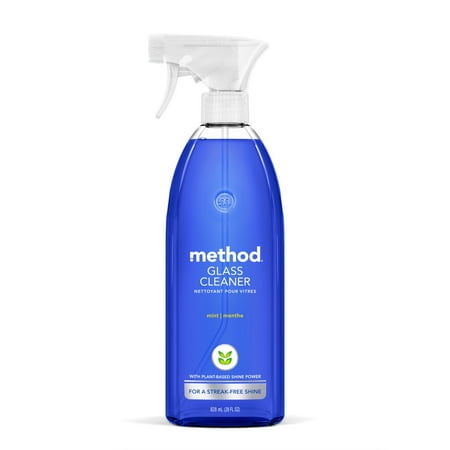


Method Glass Cleaner Mint 28 fl oz
Analysis updated August 2026 · How Scout scores
At a glance
Summary
This glass cleaner contains beneficial plant-derived surfactants like caprylyl glucoside and decyl glucoside, which are mild, effective, and environmentally friendly. However, the presence of synthetic fragrance, which can include undisclosed chemicals and potential allergens, detracts from its overall safety and environmental impact. The product is mostly plant-based but includes minor synthetic components.
Key ingredients 7
Caprylyl GlucosideGood
Caprylyl Glucoside is a mild, plant-derived surfactant. It is used to help mix oil and water, improving the cleaning power of the product. It is biodegradable and considered environmentally friendly.
Risks
There are minimal risks associated with Caprylyl Glucoside, though it can cause mild irritation in sensitive individuals.
Benefits
It is gentle on the skin and effective at removing dirt and grease.
Decyl GlucosideGood
Decyl Glucoside is a non-ionic surfactant derived from glucose and coconut oil. It is known for being gentle and effective, making it suitable for sensitive skin. It is biodegradable and environmentally friendly.
Risks
There are minimal risks associated with Decyl Glucoside, though it can cause mild irritation in sensitive individuals.
Benefits
It is effective at cleaning without stripping natural oils from surfaces.
WaterNeutral
Water is a universal solvent and is used as a base in many cleaning products. It helps dissolve other ingredients and facilitates the cleaning process. It is generally considered safe and non-toxic.
Risks
There are no significant risks associated with water in cleaning products.
Benefits
Water helps to dilute other ingredients and makes the product easier to apply.
EthanolNeutral
Ethanol is a common solvent and disinfectant used in cleaning products. It helps dissolve oils and other substances, enhancing cleaning efficiency. It evaporates quickly, leaving surfaces streak-free.
Risks
Ethanol can be irritating to the skin and eyes and is flammable.
Benefits
Ethanol is effective at killing bacteria and viruses, making it a useful disinfectant.
Potassium HydroxideNeutral
Potassium Hydroxide is used to adjust the pH of cleaning products. It helps to enhance the cleaning power by breaking down organic matter. It is a strong base and must be used in controlled amounts.
Risks
Potassium Hydroxide can be corrosive and cause skin and eye irritation.
Benefits
It helps to improve the effectiveness of cleaning agents by maintaining an optimal pH level.
Sodium CarbonateNeutral
Sodium Carbonate, also known as washing soda, is used to soften water and enhance cleaning efficiency. It helps to remove grease and stains from surfaces. It is a common ingredient in many cleaning products.
Risks
Sodium Carbonate can cause skin and eye irritation if not handled properly.
Benefits
It is effective at breaking down grease and removing stains, improving overall cleaning performance.
FragranceVery Bad
Fragrance in cleaning products is often synthetic and can contain a mixture of chemicals. It is used to provide a pleasant scent but can be a source of allergens and irritants. The exact composition is often undisclosed, leading to potential health concerns.
Risks
Fragrances can cause allergic reactions and respiratory issues in sensitive individuals.
Benefits
Fragrances can enhance the user experience by providing a pleasant scent.
Processing
Processed Foods
Get the full breakdown in the Scout appTake Scout shopping
Scan any product to see lab results, healthy alternatives, and your personalized analysis.
Download on theApp Store GET IT ONGoogle PlayAmazon pricing & content
Amazon price as of . Product prices and availability are accurate as of the date/time indicated and are subject to change. Any price and availability information displayed on Amazon.com at the time of purchase will apply to the purchase of this product.
CERTAIN CONTENT THAT APPEARS ON THIS SITE COMES FROM AMAZON. THIS CONTENT IS PROVIDED “AS IS” AND IS SUBJECT TO CHANGE OR REMOVAL AT ANY TIME.