
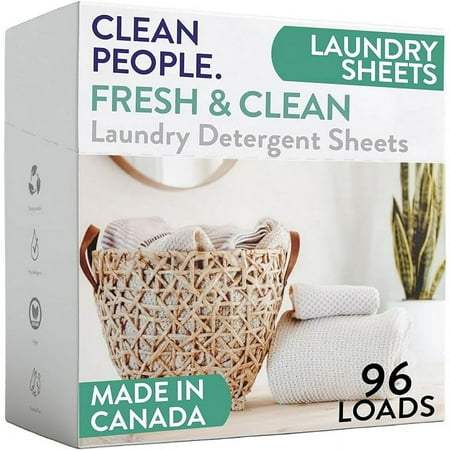
Clean People Laundry Detergent Sheets - Clean Ingredients No Plastic Jug - Fresh Scent 96 Load
Analysis updated August 2026 · How Scout scores
At a glance
Summary
This product contains several plant-derived surfactants such as caprylyl/capryl glucoside and lauryl glucoside, which are mild, biodegradable, and environmentally friendly. However, the inclusion of synthetic fragrance, which can cause allergic reactions and skin irritation, detracts from its overall safety profile. The product is processed, which limits its score despite the presence of beneficial ingredients.
Key ingredients 13
Glycereth-6 CocoateGood
Glycereth-6 cocoate is a plant-derived surfactant and emulsifier. It is used to enhance the spreadability of cleaning products. It is considered mild and safe for use.
Risks
There are no significant risks associated with glycereth-6 cocoate.
Benefits
It is biodegradable and contributes to the product's mildness.
Caprylyl/Capryl GlucosideGood
Caprylyl/capryl glucoside is a plant-derived surfactant known for its mildness. It is used to enhance the cleaning power of detergents. It is biodegradable and safe for the environment.
Risks
There are minimal risks associated with this ingredient.
Benefits
It is effective in cleaning and is gentle on the skin.
Lauryl GlucosideGood
Lauryl glucoside is a non-ionic surfactant derived from natural sources. It is used for its mildness and effective cleaning properties. It is biodegradable and considered safe for use.
Risks
There are no significant risks associated with lauryl glucoside.
Benefits
It is gentle on the skin and environmentally friendly.
StarchNeutral
Starch is commonly used as a filler or binding agent in cleaning products. It is derived from natural sources such as corn or potatoes. It does not contribute to cleaning efficacy but helps in maintaining the product's structure.
Risks
There are no significant risks associated with starch in cleaning products.
Benefits
Starch is biodegradable and poses no environmental harm.
PVANeutral
Polyvinyl alcohol (PVA) is a synthetic polymer used for its film-forming properties. It helps in the dissolution of detergent sheets in water. PVA is generally considered safe for use in cleaning products.
Risks
PVA can contribute to microplastic pollution if not properly treated in wastewater systems.
Benefits
PVA is water-soluble and helps in the controlled release of cleaning agents.
Vegetable GlycerinNeutral
Standard formulation ingredient — neither beneficial nor harmful at typical use.
Risks
There are minimal risks associated with vegetable glycerin in cleaning products.
Benefits
It is safe for the environment and enhances the product's stability.
Sodium C14-16 Olefin SulfonateNeutral
Sodium C14-16 olefin sulfonate is a surfactant used for its cleaning and foaming properties. It is effective in removing dirt and oils. It is considered milder than traditional sulfates.
Risks
It can cause mild skin irritation in sensitive individuals.
Benefits
It is effective in cleaning and is less irritating than harsher sulfates.
Cocamidopropyl BetaineNeutral
Cocamidopropyl betaine is a surfactant derived from coconut oil. It is used to increase foam and improve cleaning efficacy. It is generally considered mild and non-irritating.
Risks
It can cause skin irritation in some individuals, especially with prolonged exposure.
Benefits
It is biodegradable and enhances the product's foaming properties.
Sodium GluconateNeutral
Sodium gluconate is a chelating agent used to improve cleaning efficacy. It helps in binding metal ions and preventing them from interfering with cleaning. It is biodegradable and safe for use.
Risks
There are no significant risks associated with sodium gluconate.
Benefits
It enhances the performance of cleaning agents and is environmentally safe.
Propylene Glycol Dicaprylate/DicaprateNeutral
Propylene glycol dicaprylate/dicaprate is an emollient used to improve texture. It helps in spreading the product evenly. It is considered safe for use in cleaning products.
Risks
There are minimal risks associated with this ingredient.
Benefits
It enhances the product's texture and application.
WaterNeutral
Water is used as a solvent and carrier for other ingredients. It helps in dissolving and distributing cleaning agents. It is essential for the formulation of liquid products.
Risks
There are no risks associated with water in cleaning products.
Benefits
It is a natural and safe solvent.
Potassium SorbateBad
Synthetic preservative — flagged in daily-use products.
Risks
It can cause mild skin irritation in sensitive individuals.
Benefits
It helps maintain product stability and safety.
FragranceVery Bad
Fragrance is used to impart a pleasant scent to cleaning products. It is often composed of synthetic chemicals. Fragrances can cause allergic reactions and skin irritation.
Risks
Synthetic fragrances can contribute to indoor air pollution and may contain allergens.
Benefits
It provides a pleasant scent to the product.
Get the full breakdown in the Scout appTake Scout shopping
Scan any product to see lab results, healthy alternatives, and your personalized analysis.
Download on theApp Store GET IT ONGoogle PlayAmazon pricing & content
Amazon price as of . Product prices and availability are accurate as of the date/time indicated and are subject to change. Any price and availability information displayed on Amazon.com at the time of purchase will apply to the purchase of this product.
CERTAIN CONTENT THAT APPEARS ON THIS SITE COMES FROM AMAZON. THIS CONTENT IS PROVIDED “AS IS” AND IS SUBJECT TO CHANGE OR REMOVAL AT ANY TIME.