

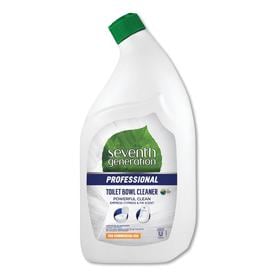


Ecover Toilet Bowl Cleaner 25oz Pack of 12
Analysis updated July 2026 · How Scout scores
At a glance
Summary
This toilet bowl cleaner primarily uses plant-derived ingredients like citric acid and lauryl glucoside, which are safer for indoor use and environmentally friendly. However, the presence of synthetic fragrance and sodium benzoate, a preservative, slightly reduces its overall safety and environmental impact. The product is moderately processed, which also influences its rating.
Key ingredients 8
AquaGood
Aqua, or water, is a common base in cleaning products that helps dissolve other ingredients and makes the product easier to use.
See more about Aqua →Lauryl GlucosideGood
Lauryl Glucoside is a gentle surfactant derived from natural sources, aiding in cleaning without harsh chemicals.
See more about Lauryl Glucoside →Citric AcidNeutral
Common acidulant and preservative — safe at typical use levels, neither beneficial nor harmful.
See more about Citric Acid →Sodium CitrateNeutral
Standard formulation ingredient — neither beneficial nor harmful at typical use.
See more about Sodium Citrate →Xanthan GumNeutral
Fermentation-derived thickener, well tolerated at food-use levels.
See more about Xanthan Gum →Sodium BenzoateBad
Sodium Benzoate is a preservative that may cause irritation or sensitivities in some individuals.
See more about Sodium Benzoate →LinaloolBad
Linalool is a fragrance component that can cause allergic reactions or sensitivities in certain users.
See more about Linalool →FragranceVery Bad
Fragrance is added to improve scent but can sometimes cause sensitivities or allergies in some users.
See more about Fragrance →Processing
Processed Foods
Get the full breakdown in the Scout appTake Scout shopping
Scan any product to see lab results, healthy alternatives, and your personalized analysis.
Download on theApp Store GET IT ONGoogle PlayAmazon pricing & content
Amazon price as of . Product prices and availability are accurate as of the date/time indicated and are subject to change. Any price and availability information displayed on Amazon.com at the time of purchase will apply to the purchase of this product.
CERTAIN CONTENT THAT APPEARS ON THIS SITE COMES FROM AMAZON. THIS CONTENT IS PROVIDED “AS IS” AND IS SUBJECT TO CHANGE OR REMOVAL AT ANY TIME.