
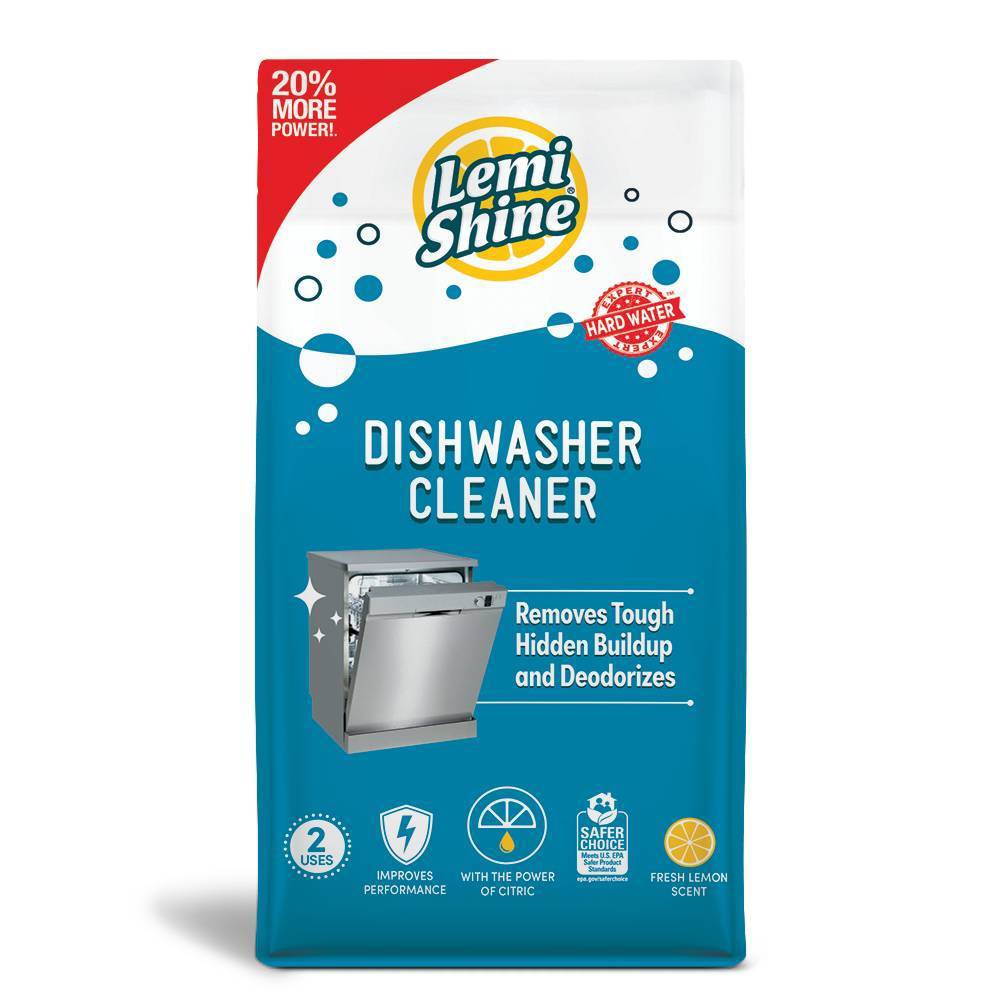

Lemi Shine Lemon Scent Powder Dishwasher Cleaner - 2ct: Non-Toxic, Phosphate-Free, Stainless Steel, Pouch
Analysis updated August 2026 · How Scout scores
At a glance
Summary
This dishwasher cleaner contains citric acid, which is a natural and biodegradable ingredient effective in breaking down mineral deposits. However, the presence of synthetic fragrance is a concern due to potential allergic reactions and respiratory issues it may cause. The product is processed, which limits its score despite having some beneficial ingredients.
Key ingredients 4
Citric AcidNeutral
Common acidulant and preservative — safe at typical use levels, neither beneficial nor harmful.
Risks
In high concentrations, citric acid can cause skin irritation.
Benefits
It is effective in removing hard water stains and is environmentally friendly.
Sodium BicarbonateNeutral
Sodium bicarbonate, also known as baking soda, is a mild alkali that helps clean and deodorize. It is commonly used in cleaning products for its gentle abrasive properties. It is generally considered safe and non-toxic.
Risks
There are minimal risks associated with sodium bicarbonate, though it can cause mild irritation if inhaled in large quantities.
Benefits
It is effective at neutralizing odors and is a gentle cleaning agent.
SilicaNeutral
Silica is a naturally occurring mineral used as an anti-caking agent in cleaning products. It helps to keep the product free-flowing and prevents clumping. It is generally considered safe in its non-crystalline form.
Risks
Inhalation of crystalline silica dust can be harmful, but this is not typically a concern in consumer cleaning products.
Benefits
It helps maintain the consistency and usability of powdered cleaning products.
FragranceVery Bad
Fragrance in cleaning products often refers to synthetic scents. These can contain a mixture of chemicals that may not be disclosed on the label. They are known to cause allergic reactions and respiratory issues in sensitive individuals.
Risks
Synthetic fragrances can trigger allergies and asthma attacks.
Benefits
They provide a pleasant scent to cleaning products, enhancing user experience.
Processing
Processed Foods
Get the full breakdown in the Scout appTake Scout shopping
Scan any product to see lab results, healthy alternatives, and your personalized analysis.
Download on theApp Store GET IT ONGoogle Play