
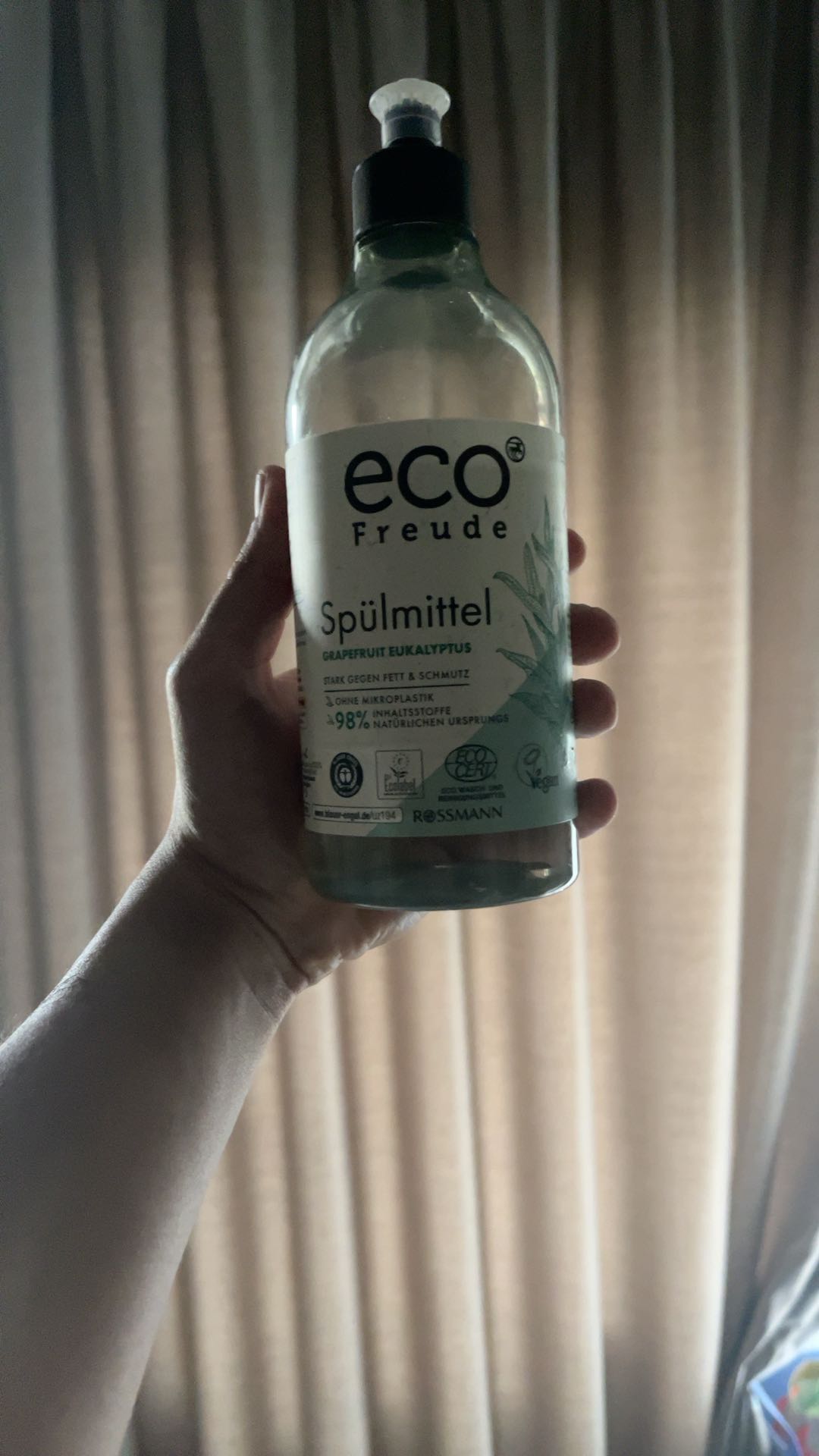
spülmittel Eco

75 Good
View on Amazon

Summary

This cleaning product contains sodium C12-14 alkyl sulfate, which is a milder surfactant compared to SLS but still contributes to the overall processing level. The presence of citric acid and sodium bicarbonate are positive aspects, as they are safer and more environmentally friendly. However, the inclusion of ethoxylated alcohols raises concerns due to potential contamination with 1,4-dioxane, impacting the product's safety and environmental score.

At a glance

Beneficial ingredients 0
Harmful ingredients 0
Category Other Cleaning

Key ingredients 8

Zeolite

Zeolite is a naturally occurring mineral often used as a water softener in cleaning products. It helps to enhance the cleaning efficiency by removing calcium and magnesium ions. This ingredient is considered environmentally friendly.

Risks

There are minimal risks associated with zeolite in cleaning products.

Benefits

Zeolite is beneficial for its ability to soften water and improve cleaning performance without harmful environmental effects.

Sodium sulfate

Sodium sulfate is a common filler in cleaning products that helps to bulk up the product. It is generally considered safe and non-toxic. This ingredient is used to improve the texture and flow of powdered detergents.

Risks

Sodium sulfate poses minimal health risks when used in cleaning products.

Benefits

It is beneficial for its role in enhancing the physical properties of cleaning products without contributing to toxicity.

Sodium bicarbonate

Sodium bicarbonate, also known as baking soda, is used for its mild abrasive and deodorizing properties. It is a safe and natural ingredient commonly found in eco-friendly cleaning products. This ingredient helps to neutralize odors and clean surfaces effectively.

Risks

There are no significant risks associated with sodium bicarbonate in cleaning products.

Benefits

Sodium bicarbonate is beneficial for its natural cleaning and deodorizing properties.

See more about Sodium bicarbonate →
Sodium C12-14 alkyl sulfate

Sodium C12-14 alkyl sulfate is a surfactant used to lower the surface tension of water, allowing it to spread and clean more effectively. It is derived from fatty alcohols and is considered less harsh than SLS. This ingredient helps to remove dirt and grease.

Risks

It may cause mild skin irritation in sensitive individuals.

Benefits

It is beneficial for its effective cleaning properties and relatively mild nature compared to harsher surfactants.

Sodium carbonate

Sodium carbonate, also known as washing soda, is used to soften water and enhance the cleaning power of detergents. It is a naturally occurring substance that is safe for use in cleaning products. This ingredient helps to remove stains and grease.

Risks

Sodium carbonate can cause skin irritation if not handled properly.

Benefits

It is beneficial for its ability to boost cleaning efficiency and soften water.

See more about Sodium carbonate →
Alcohols C12-18 ethoxylated

Alcohols C12-18 ethoxylated are nonionic surfactants used to improve the wetting and spreading properties of cleaning solutions. They are derived from natural fatty alcohols and are biodegradable. This ingredient helps to enhance the cleaning performance of detergents.

Risks

There is a low risk of skin irritation with prolonged exposure.

Benefits

It is beneficial for its effective cleaning action and biodegradability.

Citric acid

Citric acid is a natural acid found in citrus fruits, used in cleaning products for its ability to dissolve limescale and mineral deposits. It is safe and environmentally friendly. This ingredient also acts as a pH adjuster.

Risks

Citric acid is generally safe, with minimal risks when used in cleaning products.

Benefits

It is beneficial for its natural descaling properties and safety profile.

See more about Citric acid →
Fatty acids, sodium salts

Fatty acids, sodium salts are used as surfactants in cleaning products to help break down grease and dirt. They are derived from natural fats and oils and are biodegradable. This ingredient contributes to the cleaning power of detergents.

Risks

There are minimal risks associated with fatty acids, sodium salts in cleaning products.

Benefits

They are beneficial for their natural origin and effective cleaning properties.

Processing

Group 1 · Minimally processed

Unprocessed or Minimally Processed Foods

Get the full breakdown in the Scout app

Scan any product to see lab results, healthy alternatives, and your personalized analysis.

Download on theApp Store