

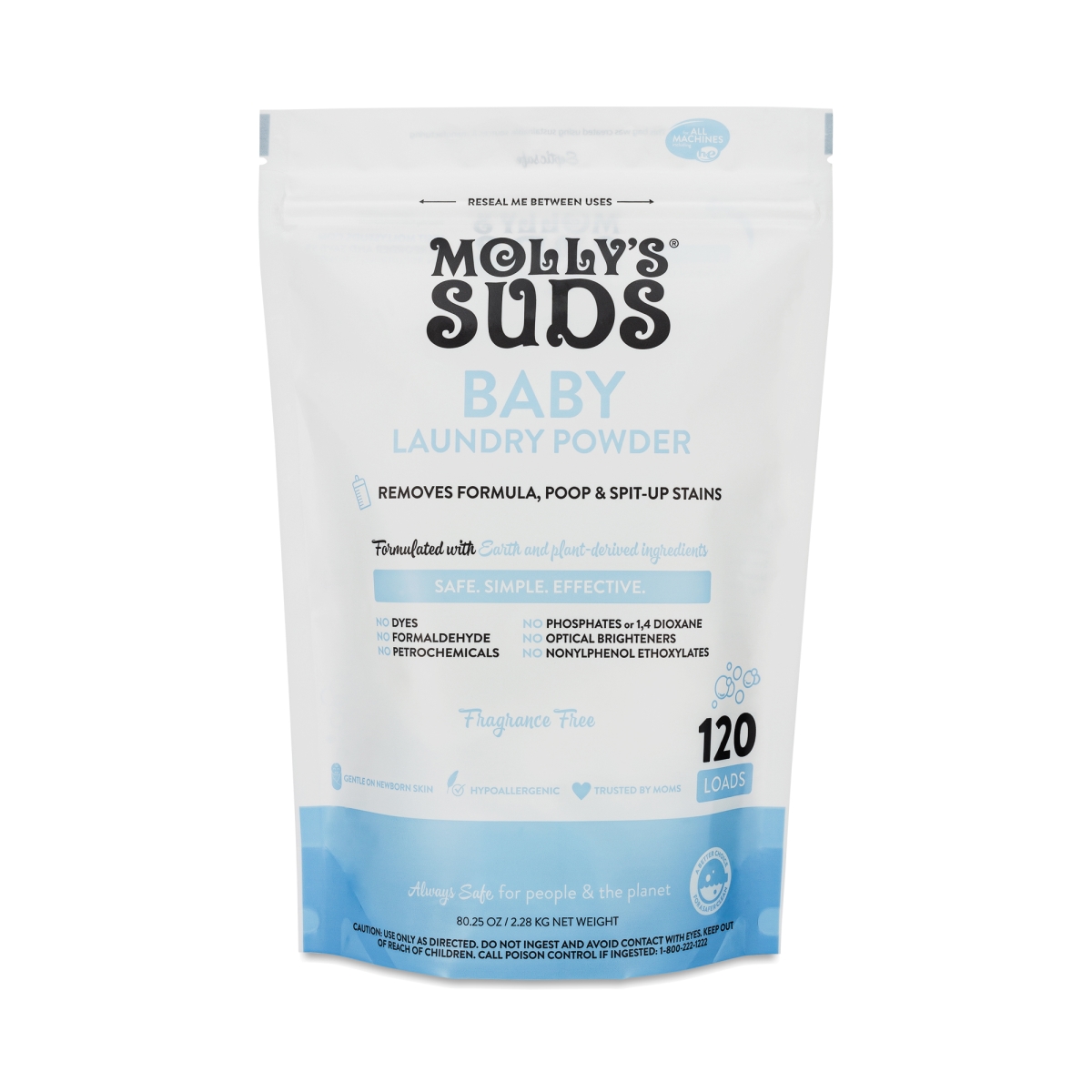
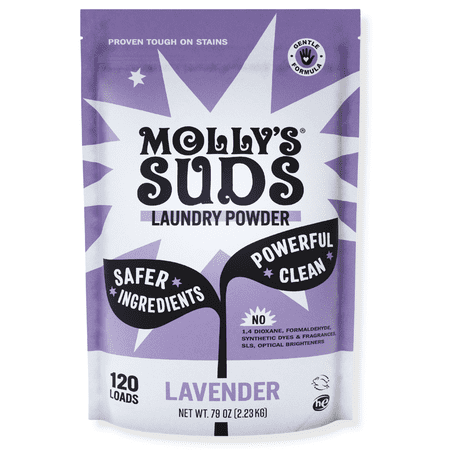
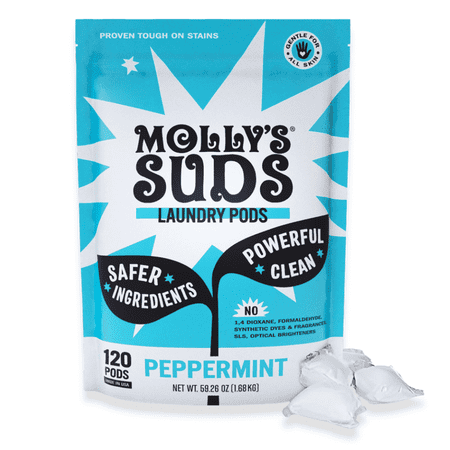
Molly's Suds 16 oz Stain Spray
Analysis updated August 2026 · How Scout scores
At a glance
Summary
This stain spray is formulated with plant-derived surfactants and enzymes, which are both effective and environmentally friendly. The inclusion of biodegradable ingredients like coco glucoside and various enzymes enhances its cleaning performance while maintaining a low environmental impact. Although benzyl alcohol is present, it is the only potentially irritating ingredient, and its use is balanced by the overall mild and eco-conscious formulation.
Key ingredients 15
Functionalized Alkyl PolyglucosideGood
Functionalized Alkyl Polyglucoside is a plant-derived surfactant known for its mildness and biodegradability. It is effective in reducing surface tension and enhancing cleaning performance. It is considered environmentally friendly.
Risks
There are minimal risks associated with this ingredient as it is generally non-irritating.
Benefits
It is biodegradable and derived from renewable resources, making it a sustainable choice.
Coco GlucosideGood
Coco Glucoside is a mild, non-ionic surfactant derived from coconut oil and glucose. It is used for its gentle cleansing properties. It is biodegradable and considered safe for sensitive skin.
Risks
There are minimal risks as it is generally non-irritating and safe for use.
Benefits
It is plant-derived and biodegradable, contributing to a more environmentally friendly product.
ProteaseGood
Protease is an enzyme that breaks down proteins, making it effective in removing protein-based stains. It is commonly used in cleaning products for its stain-removing capabilities. It is biodegradable and derived from natural sources.
Risks
In rare cases, it may cause irritation if inhaled in large quantities.
Benefits
It enhances stain removal efficiency, particularly for protein-based stains.
AmylaseGood
Amylase is an enzyme that breaks down starches into sugars, aiding in the removal of starch-based stains. It is biodegradable and derived from natural sources. It is effective in improving cleaning performance.
Risks
There are minimal risks associated with amylase as it is generally safe for use.
Benefits
It enhances the removal of starch-based stains, improving overall cleaning efficacy.
PectinaseGood
Pectinase is an enzyme that breaks down pectin, a component of plant cell walls. It is used in cleaning products to help remove fruit and vegetable stains. It is biodegradable and derived from natural sources.
Risks
There are minimal risks associated with pectinase as it is generally safe for use.
Benefits
It aids in the removal of fruit and vegetable stains, enhancing cleaning performance.
MannanaseGood
Mannanase is an enzyme that breaks down mannans, which are found in many food products. It is used in cleaning products to help remove food-based stains. It is biodegradable and derived from natural sources.
Risks
There are minimal risks associated with mannanase as it is generally safe for use.
Benefits
It enhances the removal of food-based stains, improving cleaning efficacy.
Deionized waterNeutral
Deionized water is water that has had its ions removed. It is commonly used as a solvent in cleaning products. It does not contribute to cleaning efficacy but serves as a carrier for other ingredients.
Risks
There are no significant risks associated with deionized water.
Benefits
It provides a pure base for other active ingredients to function effectively.
PropanediolNeutral
Propanediol is a glycol used as a solvent and humectant in cleaning products. It helps to dissolve other ingredients and maintain moisture. It is generally considered safe for use.
Risks
There are minimal risks associated with propanediol as it is generally non-irritating.
Benefits
It acts as a solvent and humectant, aiding in the stability and efficacy of the product.
GlycerinNeutral
Glycerin is a humectant that helps to retain moisture in formulations. It is commonly used in cleaning products to prevent drying out. It is generally considered safe and non-toxic.
Risks
There are minimal risks associated with glycerin as it is generally non-irritating.
Benefits
It helps to maintain moisture in the product, preventing it from drying out.
Potassium CitrateNeutral
Potassium Citrate is a salt used as a buffering agent in cleaning products. It helps to maintain the pH balance of the formulation. It is generally considered safe for use.
Risks
There are minimal risks associated with potassium citrate as it is generally non-irritating.
Benefits
It helps to stabilize the pH of the product, ensuring optimal performance.
Glyceryl CaprylateNeutral
Glyceryl Caprylate is an emulsifier and skin conditioning agent. It is used to stabilize formulations and improve texture. It is generally considered safe for use.
Risks
There are minimal risks associated with glyceryl caprylate as it is generally non-irritating.
Benefits
It helps to stabilize the formulation and improve the texture of the product.
Glyceryl UndecylenateNeutral
Glyceryl Undecylenate is an emulsifier and antimicrobial agent. It is used to stabilize formulations and prevent microbial growth. It is generally considered safe for use.
Risks
There are minimal risks associated with glyceryl undecylenate as it is generally non-irritating.
Benefits
It helps to stabilize the formulation and prevent microbial growth, extending the product's shelf life.
Tetrasodium Glutamate DiacetateNeutral
Tetrasodium Glutamate Diacetate is a chelating agent used to enhance the efficacy of preservatives. It helps to bind metal ions, preventing them from interfering with the product's stability. It is generally considered safe for use.
Risks
There are minimal risks associated with tetrasodium glutamate diacetate as it is generally non-irritating.
Benefits
It enhances the efficacy of preservatives, improving the product's stability and shelf life.
Xanthan GumNeutral
Xanthan Gum is a thickening agent used to improve the texture and viscosity of cleaning products. It is derived from natural sources and is biodegradable. It is generally considered safe for use.
Risks
There are minimal risks associated with xanthan gum as it is generally non-irritating.
Benefits
It improves the texture and viscosity of the product, enhancing user experience.
Benzyl AlcoholBad
Benzyl Alcohol is used as a preservative and solvent in cleaning products. It can be irritating to the skin and respiratory system in high concentrations. It is effective in preventing microbial growth.
Risks
It may cause irritation to the skin and respiratory system if used in high concentrations.
Benefits
It acts as a preservative, extending the shelf life of the product by preventing microbial growth.
Processing
Processed Foods
Get the full breakdown in the Scout appTake Scout shopping
Scan any product to see lab results, healthy alternatives, and your personalized analysis.
Download on theApp Store GET IT ONGoogle PlayAmazon pricing & content
Amazon price as of . Product prices and availability are accurate as of the date/time indicated and are subject to change. Any price and availability information displayed on Amazon.com at the time of purchase will apply to the purchase of this product.
CERTAIN CONTENT THAT APPEARS ON THIS SITE COMES FROM AMAZON. THIS CONTENT IS PROVIDED “AS IS” AND IS SUBJECT TO CHANGE OR REMOVAL AT ANY TIME.