
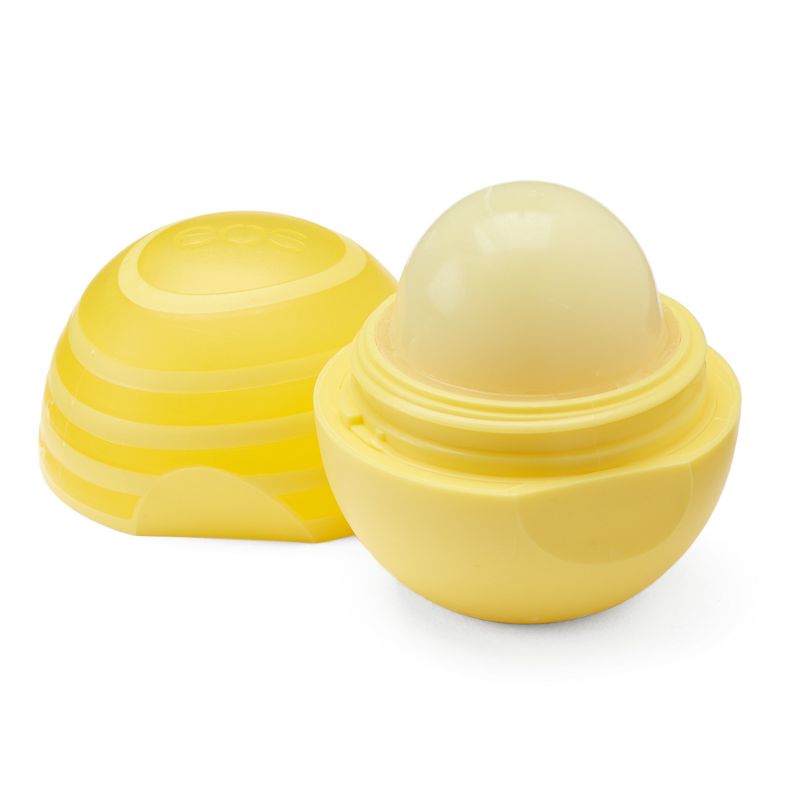
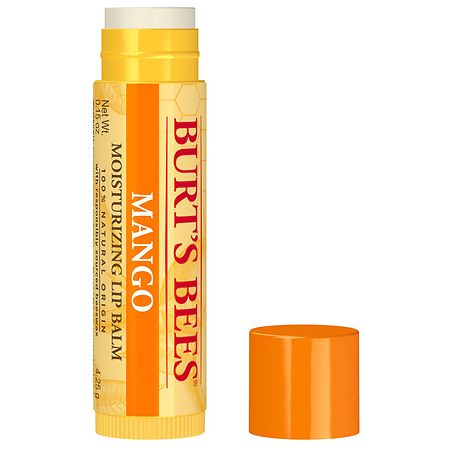

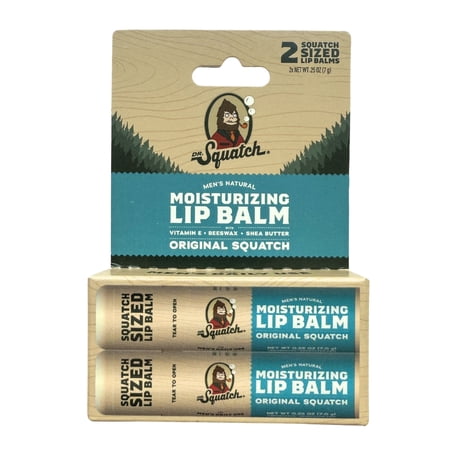
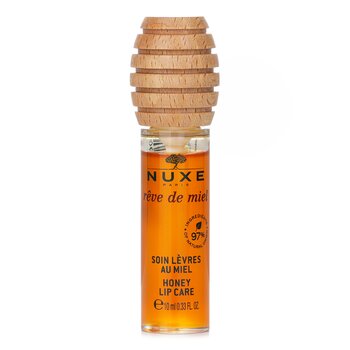
At a glance
Summary
This lip care product contains a variety of natural oils and butters such as sunflower seed oil, coconut oil, and shea butter, which are beneficial for moisturizing and protecting the skin. However, the presence of synthetic fragrance components like citral, citronellol, limonene, and linalool, which can cause skin irritation and allergic reactions, lowers its overall safety profile. The product is moderately processed, which also impacts its rating.
Key ingredients 16
Helianthus Annuus (Sunflower) Seed OilVery Good
Sunflower seed oil is a natural oil rich in essential fatty acids and vitamin E, which are beneficial for skin hydration and protection. It is known for its emollient properties that help maintain the skin's moisture barrier. This ingredient is generally well-tolerated and suitable for sensitive skin.
Risks
There are minimal risks associated with sunflower seed oil, though rare allergic reactions can occur.
Benefits
It provides excellent moisturizing properties and helps to soothe and protect the skin.
BeeswaxVery Good
Beeswax is a natural wax produced by honey bees and is known for its ability to form a protective barrier on the skin. It helps to lock in moisture and protect the skin from environmental irritants. Beeswax is also non-comedogenic, making it suitable for all skin types.
Risks
Beeswax is generally safe, but some individuals may experience allergic reactions.
Benefits
It provides a natural barrier that helps retain moisture and protect the skin.
Cocos Nucifera (Coconut) OilVery Good
Coconut oil is a natural oil with moisturizing and antimicrobial properties, making it beneficial for skin health. It is rich in medium-chain fatty acids that help to nourish and hydrate the skin. Coconut oil is widely used in skincare for its soothing and protective qualities.
Risks
Coconut oil can cause breakouts in some individuals with acne-prone skin.
Benefits
It deeply moisturizes the skin and has natural antibacterial properties.
Butyrospermum Parkii (Shea) ButterVery Good
Shea butter is a natural fat extracted from the nuts of the shea tree, known for its rich moisturizing properties. It contains vitamins A and E, which help to soothe and nourish the skin. Shea butter is highly effective in treating dry skin and improving skin elasticity.
Risks
Shea butter is generally safe, but rare allergic reactions can occur.
Benefits
It provides deep hydration and helps to improve skin texture and elasticity.
Simmondsia Chinensis (Jojoba) Seed OilVery Good
Jojoba oil is a natural oil that closely resembles the skin's natural sebum, making it an excellent moisturizer. It is non-comedogenic and helps to balance oil production in the skin. Jojoba oil is also rich in antioxidants, which help to protect the skin from environmental damage.
Risks
Jojoba oil is generally safe, but some individuals may experience mild irritation.
Benefits
It moisturizes the skin without clogging pores and provides antioxidant protection.
TocopherolVery Good
Tocopherol, or vitamin E, is a powerful antioxidant that helps to protect the skin from free radical damage. It is widely used in skincare for its moisturizing and healing properties. Tocopherol also helps to improve the shelf life of cosmetic products by preventing oxidation.
Risks
Generally safe, but high concentrations may cause irritation in sensitive individuals.
Benefits
Provides antioxidant protection and helps to moisturize and heal the skin.
Copernicia Cerifera (Carnauba) WaxGood
Carnauba wax is a natural wax derived from the leaves of the carnauba palm. It is used in cosmetics for its emollient and thickening properties. Carnauba wax helps to create a smooth texture and provides a protective barrier on the skin.
Risks
Carnauba wax is generally safe, but excessive use can lead to a heavy feel on the skin.
Benefits
It provides a protective barrier and helps to improve the texture of the product.
Rosmarinus Officinalis (Rosemary) Leaf OilGood
Rosemary oil is an essential oil known for its antioxidant and antimicrobial properties. It is used in cosmetics for its ability to protect the skin from environmental damage and improve circulation. Rosemary oil also has a refreshing scent that enhances the sensory experience of the product.
Risks
May cause irritation in sensitive skin types.
Benefits
Provides antioxidant protection and has antimicrobial properties.
Glycine Soja (Soybean) OilGood
Soybean oil is a natural oil rich in essential fatty acids and vitamin E, which help to nourish and protect the skin. It is used in cosmetics for its emollient properties and ability to improve skin texture. Soybean oil is generally well-tolerated and suitable for most skin types.
Risks
Rare allergic reactions may occur in individuals with soy allergies.
Benefits
It moisturizes and nourishes the skin, improving its texture and appearance.
Foeniculum Vulgare (Fennel) OilNeutral
Fennel oil is an essential oil with potential antioxidant and anti-inflammatory properties. It is used in cosmetics for its aromatic qualities and potential skin benefits. However, its effects on the skin are not well-studied, and it may cause irritation in some individuals.
Risks
Potential for skin irritation, especially in sensitive individuals.
Benefits
May provide antioxidant benefits and a pleasant aroma.
Stevia Rebaudiana Leaf/Stem ExtractNeutral
Stevia extract is derived from the stevia plant and is commonly used as a natural sweetener. In cosmetics, it may be used for its potential antioxidant properties, though its effects on the skin are not well-documented. It is generally considered safe for topical use.
Risks
Limited evidence on skin benefits; potential for mild irritation.
Benefits
May offer antioxidant benefits and is a natural ingredient.
Flavor (Aroma)Bad
Flavor or aroma in cosmetics often refers to synthetic fragrances, which can cause irritation and allergic reactions in sensitive individuals. These ingredients are not always fully disclosed, making it difficult to assess their safety. Fragrances are a common cause of contact dermatitis.
Risks
Potential for skin irritation and allergic reactions.
Benefits
Provides a pleasant scent to the product.
CitralBad
Citral is a fragrance compound that provides a lemon-like scent to cosmetic products. It is known to be a potential skin sensitizer and can cause allergic reactions in sensitive individuals. Citral is often used in small concentrations to minimize the risk of irritation.
Risks
Potential for skin sensitization and allergic reactions.
Benefits
Provides a fresh, citrus scent to the product.
CitronellolBad
Citronellol is a fragrance ingredient with a floral scent, commonly used in cosmetics. It is a known allergen and can cause skin irritation and sensitization in some individuals. Citronellol is often used in small amounts to reduce the risk of adverse reactions.
Risks
Potential for skin irritation and allergic reactions.
Benefits
Adds a pleasant floral fragrance to the product.
LimoneneBad
Limonene is a fragrance compound with a citrus scent, commonly used in cosmetics. It is prone to oxidation, which can increase the risk of skin irritation and allergic reactions. Limonene is often used in small concentrations to minimize potential adverse effects.
Risks
Potential for skin irritation and allergic reactions, especially when oxidized.
Benefits
Provides a fresh, citrus aroma to the product.
LinaloolBad
Linalool is a fragrance ingredient with a floral scent, used in many cosmetic products. It is a known allergen and can cause skin irritation and sensitization in some individuals. Linalool is often used in small amounts to reduce the risk of adverse reactions.
Risks
Potential for skin irritation and allergic reactions.
Benefits
Contributes a pleasant floral fragrance to the product.
Get the full breakdown in the Scout appTake Scout shopping
Scan any product to see lab results, healthy alternatives, and your personalized analysis.
Download on theApp Store GET IT ONGoogle Play