
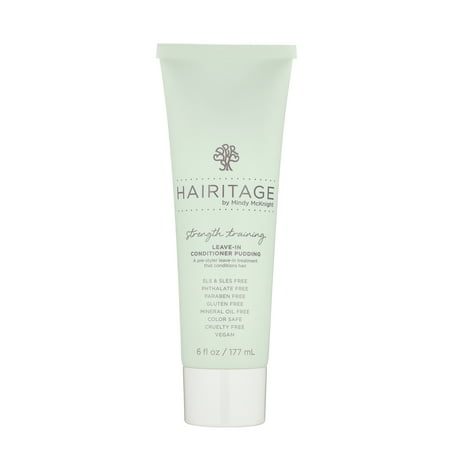
Hairitage Strength Training Thickening Leave-in Conditioner with Coconut oil for Curly Hair 6 fl oz
Analysis updated June 2026 · How Scout scores
At a glance
Summary
This leave-in conditioner features a clean ingredient list with beneficial oils such as coconut, argan, jojoba, and macadamia, which are known for their nourishing properties. The absence of harmful additives like sulfates, silicones, and parabens, combined with its minimal processing level, makes it an excellent choice for hair and scalp health.
Key ingredients 7
Argan OilVery Good
Argan oil is rich in antioxidants and fatty acids, promoting healthy, shiny hair.
See more about Argan Oil →Jojoba OilVery Good
Jojoba oil closely resembles natural scalp oils, helping to balance oil production and add moisture.
See more about Jojoba Oil →GlycerinGood
Glycerin attracts moisture to the hair, helping to keep it hydrated and soft.
See more about Glycerin →Coconut OilGood
Coconut oil is known for its nourishing properties, helping to moisturize and strengthen hair.
See more about Coconut Oil →Macadamia OilGood
Macadamia oil provides deep hydration and helps improve hair elasticity without weighing it down.
Safflower OilGood
Safflower oil helps to condition hair and add shine with its nourishing properties.
See more about Safflower Oil →Water (Aqua/Eau)Neutral
Standard formulation ingredient — neither beneficial nor harmful at typical use.
See more about Water (Aqua/Eau) →Processing
Unprocessed or Minimally Processed Foods
Get the full breakdown in the Scout appTake Scout shopping
Scan any product to see lab results, healthy alternatives, and your personalized analysis.
Download on theApp Store GET IT ONGoogle PlayAmazon pricing & content
Amazon price as of . Product prices and availability are accurate as of the date/time indicated and are subject to change. Any price and availability information displayed on Amazon.com at the time of purchase will apply to the purchase of this product.
CERTAIN CONTENT THAT APPEARS ON THIS SITE COMES FROM AMAZON. THIS CONTENT IS PROVIDED “AS IS” AND IS SUBJECT TO CHANGE OR REMOVAL AT ANY TIME.