
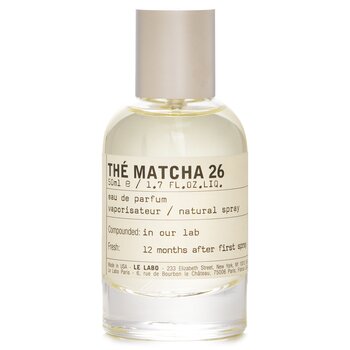


Le LaboThe Matcha 26 Eau De Parfum Spray 50ml/1.7oz
Summary
This perfume contains beneficial natural ingredients like matcha tea, vetiver, and sandalwood, which offer antioxidant and soothing properties. However, the presence of alcohol denat. and synthetic fragrance components, which can be irritating and lack transparency, impacts its overall rating. The product's processing level also limits its score, despite the inclusion of some high-quality ingredients.
At a glance
Key ingredients 20
Alcohol denat.Bad
Alcohol denat. is primarily used as a solvent in perfumes and can be drying to the skin. It is often derived from natural sources but is heavily processed to denature it. This ingredient can enhance the penetration of other substances, which may increase the risk of irritation.
Risks
Can cause skin dryness and irritation, especially in sensitive individuals.
Fragrance (parfum)Very Bad
Fragrance (parfum) is a complex mixture of chemicals that can include allergens and irritants. It is often synthetic and lacks transparency regarding its composition. This ingredient can cause allergic reactions and is a common source of skin irritation.
Risks
Potential to cause allergic reactions and skin irritation due to undisclosed chemical components.
Water/aqua/eauNeutral
Water is used as a solvent and carrier for other ingredients in the formulation. It is typically purified to remove impurities and contaminants. The quality of water can affect the overall purity of the product.
LimoneneNeutral
Limonene is a naturally occurring compound found in citrus oils, used for its fragrance. It is typically extracted through cold pressing or steam distillation. While it provides a pleasant scent, it can oxidize and become an allergen.
Risks
May cause skin sensitization or allergic reactions upon oxidation.
LinaloolNeutral
Linalool is a naturally occurring terpene alcohol found in many flowers and spice plants. It is used for its pleasant floral scent and is typically extracted through steam distillation. While generally safe, it can cause allergic reactions in sensitive individuals.
Risks
Potential allergen that may cause skin irritation in sensitive individuals.
EugenolNeutral
Eugenol is a naturally occurring compound found in clove oil and other essential oils. It is used for its spicy, clove-like aroma and is typically extracted through steam distillation. While it has antimicrobial properties, it can also be an allergen.
Risks
May cause allergic reactions or skin irritation in some individuals.
CitralNeutral
Citral is a naturally occurring compound found in the oils of several plants, including lemongrass. It is used for its lemon scent and is typically extracted through steam distillation. While it provides a fresh aroma, it can be an allergen.
Risks
Potential allergen that may cause skin irritation or sensitization.
CitronellolNeutral
Citronellol is a naturally occurring compound found in rose and geranium oils. It is used for its floral scent and is typically extracted through steam distillation. While it is generally safe, it can cause allergic reactions in some individuals.
Risks
May cause allergic reactions or skin irritation in sensitive individuals.
GeraniolNeutral
Geraniol is a naturally occurring compound found in essential oils such as rose and citronella. It is used for its sweet, floral scent and is typically extracted through steam distillation. While it is generally safe, it can be an allergen.
Risks
Potential allergen that may cause skin irritation or sensitization.
FarnesolNeutral
Farnesol is a naturally occurring compound found in essential oils such as citronella and rose. It is used for its floral scent and is typically extracted through steam distillation. While it has antimicrobial properties, it can also be an allergen.
Risks
May cause allergic reactions or skin irritation in some individuals.
TocopherolGood
Tocopherol, also known as Vitamin E, is a naturally occurring antioxidant that helps protect the skin from damage. It is typically derived from vegetable oils and is minimally processed. This ingredient can help improve skin health and reduce signs of aging.
Benefits
Acts as an antioxidant, protecting skin cells from damage and supporting skin health.
Dilauryl thiodipropionateNeutral
Dilauryl thiodipropionate is a synthetic antioxidant used to stabilize formulations and prevent rancidity. It is chemically synthesized and used in small amounts. While it helps maintain product stability, it does not provide direct skin benefits.
Matcha teaVery Good
Matcha tea is a finely ground powder of specially grown and processed green tea leaves. It is rich in antioxidants and provides anti-inflammatory benefits. The high concentration of catechins in matcha can help protect the skin from damage and improve overall skin health.
Benefits
Rich in antioxidants, providing anti-inflammatory and skin-protective benefits.
VetiverGood
Vetiver is an essential oil derived from the roots of the vetiver plant, known for its earthy fragrance. It is typically extracted through steam distillation and is valued for its calming and grounding properties. Vetiver oil can help soothe the skin and reduce inflammation.
Benefits
Provides calming and anti-inflammatory benefits, supporting skin health.
BergamotGood
Bergamot is an essential oil extracted from the peel of bergamot oranges, known for its citrusy scent. It is typically extracted through cold pressing and is valued for its uplifting and mood-enhancing properties. Bergamot oil can help balance oily skin and improve mood.
Risks
May cause photosensitivity if applied to skin and exposed to sunlight.
Benefits
Helps balance oily skin and provides mood-enhancing benefits.
CedarwoodGood
Cedarwood is an essential oil derived from the wood of cedar trees, known for its warm, woody scent. It is typically extracted through steam distillation and is valued for its calming and grounding properties. Cedarwood oil can help soothe the skin and reduce inflammation.
Benefits
Provides calming and anti-inflammatory benefits, supporting skin health.
SandalwoodGood
Sandalwood is an essential oil derived from the wood of sandalwood trees, known for its rich, woody scent. It is typically extracted through steam distillation and is valued for its calming and anti-inflammatory properties. Sandalwood oil can help soothe the skin and improve mood.
Benefits
Provides calming and anti-inflammatory benefits, supporting skin health.
Bitter orangeNeutral
Bitter orange is an essential oil extracted from the peel of bitter oranges, known for its citrusy scent. It is typically extracted through cold pressing and is used for its fragrance. While it provides a fresh aroma, it can cause photosensitivity.
Risks
May cause photosensitivity if applied to skin and exposed to sunlight.
FigNeutral
Fig extract is derived from the fruit of the fig tree and is used for its moisturizing properties. It is typically extracted through maceration or solvent extraction. While it can help hydrate the skin, it does not provide significant additional benefits.
Benefits
Provides moisturizing benefits, helping to hydrate the skin.
SesameGood
Sesame oil is derived from sesame seeds and is known for its moisturizing and antioxidant properties. It is typically extracted through cold pressing and is valued for its ability to nourish and protect the skin. Sesame oil can help improve skin elasticity and reduce signs of aging.
Benefits
Rich in antioxidants and provides moisturizing benefits, supporting skin health.
Processing
Processed Foods
Get the full breakdown in the Scout app
Scan any product to see lab results, healthy alternatives, and your personalized analysis.
Download on theApp Store