


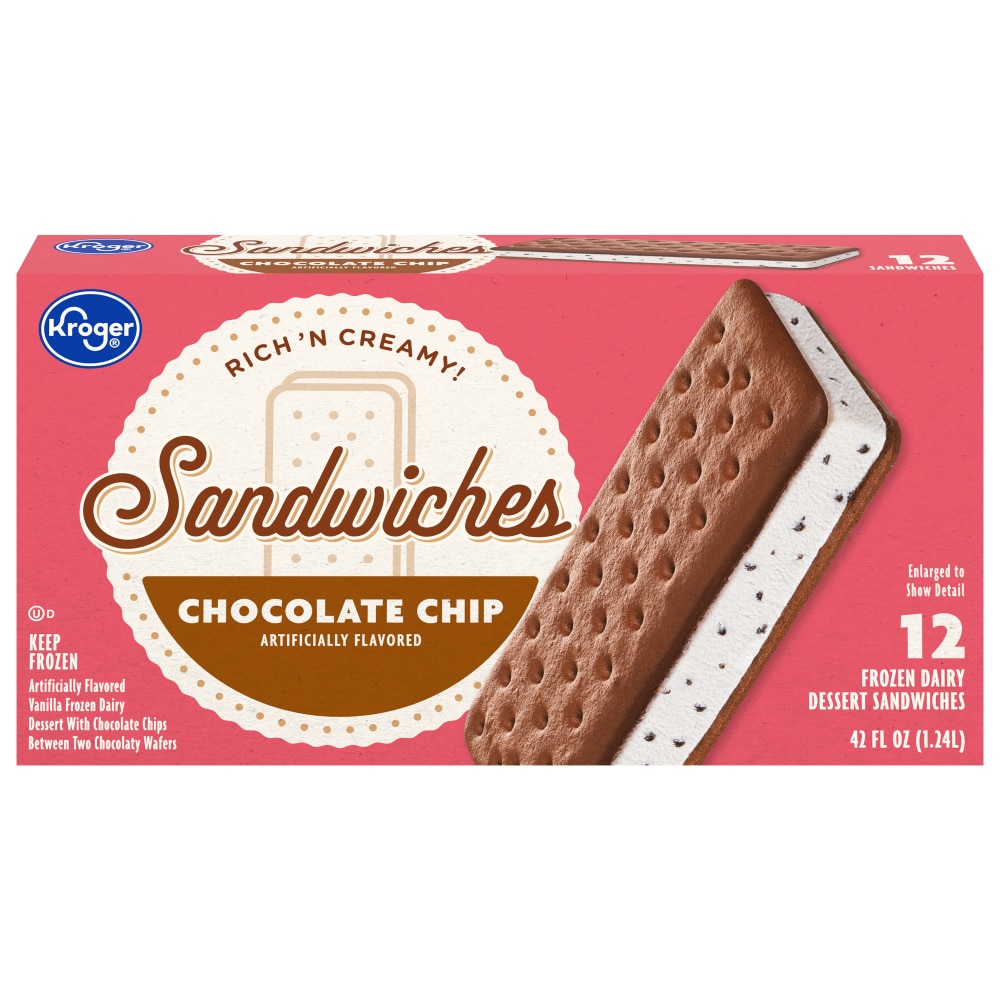
At a glance
Summary
This ice cream contains beneficial ingredients like milk and eggs, which provide essential nutrients such as calcium and protein. However, it is a processed product with a high sugar content, which contributes to its lower score. The presence of gluten may also be a concern for individuals with sensitivities, and the overall processing level limits its potential health benefits.
Key ingredients 4
MilkGood
Milk is a good source of calcium and protein, essential for bone health and muscle maintenance. It is typically pasteurized to ensure safety and extend shelf life. Compared to plant-based alternatives, it provides a complete amino acid profile.
Risks
Some individuals may be lactose intolerant or allergic to milk proteins.
Benefits
Rich in calcium and vitamin D, supporting bone health and providing high-quality protein.
EggsGood
Eggs are a high-quality protein source with essential amino acids. They contain important nutrients like choline and vitamin D. Eggs are versatile and can be used in various culinary applications.
Risks
Potential allergen for some individuals and may contain cholesterol.
Benefits
Provide high-quality protein and essential nutrients like choline, supporting brain health.
CoconutNeutral
Coconut is a source of medium-chain triglycerides (MCTs) and provides a unique flavor profile. It is often used in various forms, such as milk, oil, or flakes, in culinary applications. While it offers some nutritional benefits, it is high in saturated fats.
Risks
High in saturated fats, which may impact heart health if consumed in excess.
Benefits
Contains MCTs that may support energy metabolism and provide a distinct flavor.
GlutenBad
Gluten is a protein found in wheat and related grains, often used for its binding properties in food products. It can cause adverse reactions in individuals with celiac disease or gluten sensitivity. While it provides structure in baked goods, it offers limited nutritional benefits.
Risks
Can cause digestive issues and inflammation in individuals with celiac disease or gluten sensitivity.
Processing
Processed Foods
Get the full breakdown in the Scout appTake Scout shopping
Scan any product to see lab results, healthy alternatives, and your personalized analysis.
Download on theApp Store GET IT ONGoogle Play