
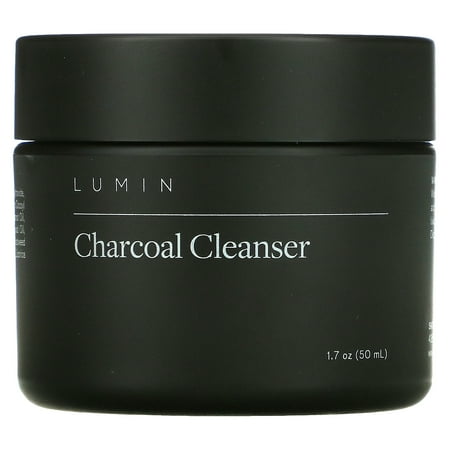

Lumin Charcoal Cleanser 1.7 oz (50 ml)
Summary
This face wash contains some beneficial ingredients like charcoal, which is known for its detoxifying properties, and glycerin, which helps to moisturize the skin. However, it also includes synthetic fragrance, which can be an irritant and is generally discouraged in clean beauty products. The presence of processed ingredients limits its overall score, despite some positive elements.
At a glance
Key ingredients 14
WaterNeutral
Water is a common solvent used in cosmetic formulations to dissolve other ingredients. It helps in the application and absorption of the product. It is generally considered safe and non-irritating.
Risks
There are no significant risks associated with water in cosmetics.
Benefits
Water helps to hydrate the skin and improve the texture of the product.
Myristic AcidNeutral
Myristic Acid is a fatty acid used as a surfactant and cleansing agent in cosmetics. It helps to remove dirt and oil from the skin. It is generally considered safe for use in cosmetics.
Risks
In rare cases, it may cause skin irritation, especially in sensitive individuals.
Benefits
It helps to cleanse the skin effectively without stripping natural oils.
Butylene GlycolNeutral
Butylene Glycol is a common humectant used in cosmetics to retain moisture. It enhances the texture and spreadability of the product. It is generally considered safe for use in cosmetics.
Risks
It may cause mild irritation in sensitive skin types.
Benefits
It helps to keep the skin hydrated and improves the product's application.
Stearic AcidNeutral
Stearic Acid is a fatty acid used as an emulsifier and thickener in cosmetics. It helps to stabilize formulations and improve texture. It is generally considered safe for use in cosmetics.
Risks
It may cause mild irritation in sensitive individuals.
Benefits
It helps to maintain the consistency and stability of the product.
Potassium HydroxideNeutral
Potassium Hydroxide is used to adjust the pH of cosmetic formulations. It helps to maintain the stability and effectiveness of the product. It is used in small amounts and is generally considered safe.
Risks
In higher concentrations, it can be irritating to the skin and eyes.
Benefits
It ensures the product remains effective and safe for use.
Glycerin
Glycerin is a well-known humectant that attracts moisture to the skin. It helps to keep the skin hydrated and soft. It is widely used in cosmetics and is considered very safe.
Risks
There are minimal risks associated with glycerin in cosmetics.
Benefits
It provides excellent moisturizing properties and improves skin barrier function.
Cocamide MEA
Cocamide MEA is a surfactant and foaming agent derived from coconut oil. It helps to create a rich lather in cleansing products. However, it is an ethanolamine compound, which can be irritating and has potential contamination concerns.
Risks
It may cause skin irritation and has potential contamination with nitrosamines, which are carcinogenic.
Benefits
It improves the texture and foaming properties of the product.
1,2-HexanediolNeutral
1,2-Hexanediol is a synthetic preservative and humectant used in cosmetics. It helps to improve the shelf life and moisture retention of the product. It is generally considered safe for use in cosmetics.
Risks
It may cause mild irritation in sensitive individuals.
Benefits
It helps to preserve the product and maintain its moisture content.
Charcoal Powder
Charcoal Powder is used for its detoxifying and purifying properties. It helps to absorb excess oil and impurities from the skin. It is considered beneficial for oily and acne-prone skin.
Risks
Overuse may lead to dryness or irritation in some skin types.
Benefits
It effectively cleanses the skin and helps to reduce acne.
Citrus Limon Peel Oil
Citrus Limon Peel Oil is derived from lemon peel and is used for its refreshing scent and astringent properties. It helps to brighten the skin and reduce oiliness. It is considered beneficial for oily skin types.
Risks
It may cause photosensitivity, increasing the risk of sunburn.
Benefits
It provides a refreshing scent and helps to tone the skin.
Potassium Cocoyl GlycinateNeutral
Potassium Cocoyl Glycinate is a mild surfactant derived from coconut oil and glycine. It helps to cleanse the skin gently without stripping natural oils. It is generally considered safe and non-irritating.
Risks
There are minimal risks associated with this ingredient.
Benefits
It provides gentle cleansing and maintains skin moisture.
Disodium EDTANeutral
Disodium EDTA is a chelating agent used to improve the stability and efficacy of cosmetic formulations. It helps to bind metal ions and prevent product degradation. It is generally considered safe for use in cosmetics.
Risks
It may cause mild irritation in sensitive individuals.
Benefits
It enhances the stability and shelf life of the product.
Pelargonium Graveolens Flower Oil
Pelargonium Graveolens Flower Oil, commonly known as geranium oil, is used for its soothing and balancing properties. It helps to improve skin health and reduce inflammation. It is considered beneficial for all skin types.
Risks
It may cause irritation in sensitive skin if used in high concentrations.
Benefits
It provides anti-inflammatory and balancing effects on the skin.
Rosa Damascena Flower Oil
Rosa Damascena Flower Oil, or rose oil, is prized for its soothing and hydrating properties. It helps to calm irritated skin and provides a pleasant fragrance. It is considered beneficial for dry and sensitive skin.
Risks
It may cause irritation in some individuals with sensitive skin.
Benefits
It offers soothing and moisturizing benefits, enhancing skin texture.
Processing
Processed Foods
Get the full breakdown in the Scout app
Scan any product to see lab results, healthy alternatives, and your personalized analysis.
Download on theApp Store