
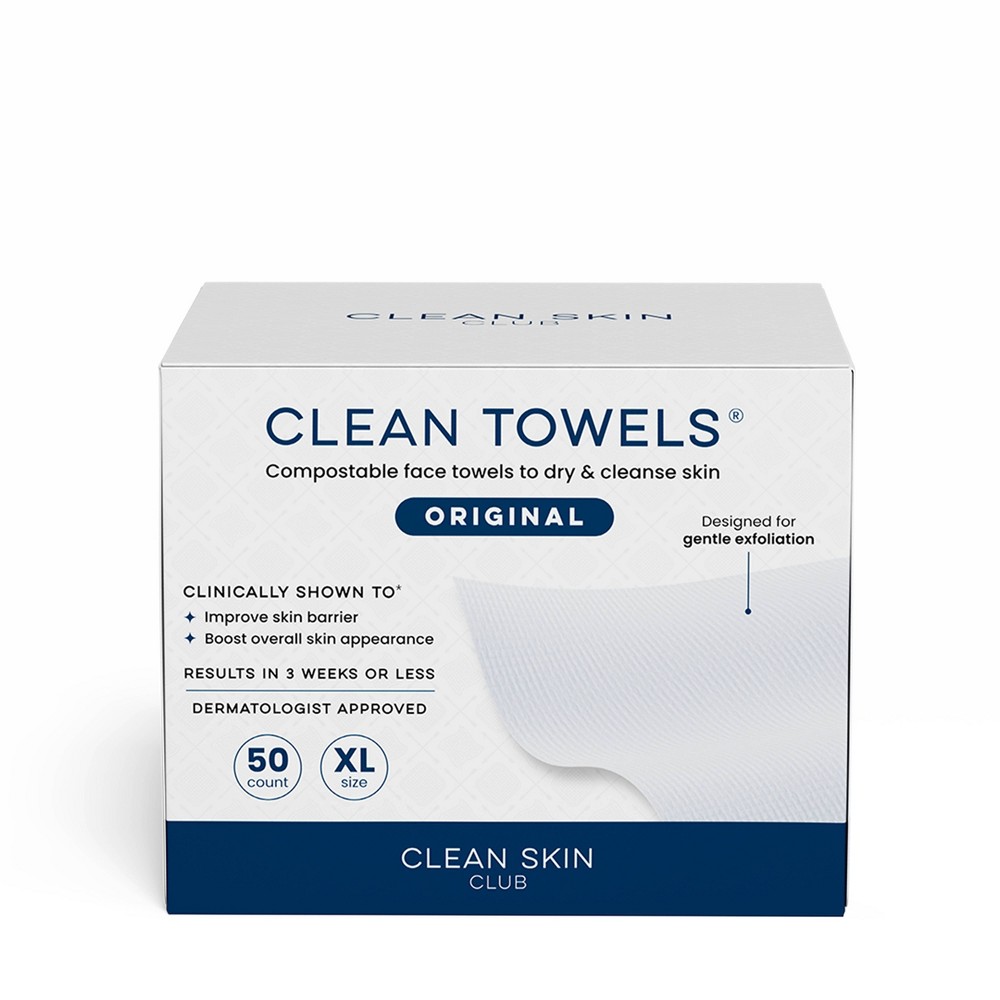
Clean Skin Club Disposable Face Towel for Improved Skin - XL - 50ct
Analysis updated July 2026 · How Scout scores
At a glance
Summary
This product is made from biodegradable materials, which are environmentally friendly and safe for skin use. The absence of harmful chemicals or synthetic additives makes it a clean and sustainable choice for personal care. Its minimal processing and focus on natural materials contribute to its high rating.
Key ingredients 11
Chamomilla RecutitaVery Good
Chamomilla recutita, also known as chamomile, is known for its soothing properties. It helps reduce skin irritation and inflammation. It is often used in products for sensitive skin.
Risks
There are minimal risks associated with chamomile.
Benefits
It provides calming and anti-inflammatory benefits to the skin.
Aloe Barbadensis ExtractVery Good
Aloe barbadensis extract, commonly known as aloe vera, is renowned for its soothing and moisturizing properties. It helps heal and hydrate the skin. It is widely used in skincare for its calming effects.
Risks
There are minimal risks associated with aloe vera.
Benefits
It provides hydration and soothing benefits, making it ideal for sensitive skin.
GluconolactoneGood
Gluconolactone is a polyhydroxy acid that is used for its exfoliating properties. It is milder than other acids, making it suitable for sensitive skin. It also acts as a humectant, helping to retain moisture.
Risks
In rare cases, it may cause mild irritation for very sensitive skin.
Benefits
It provides gentle exfoliation and hydration, improving skin texture.
Decyl GlucosideGood
Decyl glucoside is a mild, plant-derived surfactant. It is known for being gentle on the skin and biodegradable. It effectively cleanses without stripping the skin of natural oils.
Risks
There are minimal risks associated with decyl glucoside.
Benefits
It is a gentle cleanser suitable for sensitive skin.
NiacinamideGood
Niacinamide is a form of vitamin B3 that offers multiple skin benefits. It improves skin barrier function and reduces inflammation. It is also known to brighten skin and reduce signs of aging.
Risks
There are minimal risks associated with niacinamide.
Benefits
It enhances skin health and appearance, providing anti-inflammatory and anti-aging benefits.
Caprylic/Capric TriglyceridesGood
Caprylic/capric triglycerides are derived from coconut oil and glycerin. They are used as emollients to improve skin hydration. They are lightweight and non-greasy, making them suitable for all skin types.
Risks
There are minimal risks associated with caprylic/capric triglycerides.
Benefits
They provide moisturizing benefits without clogging pores.
Tocopheryl AcetateGood
Tocopheryl acetate is a form of vitamin E used for its antioxidant properties. It helps protect the skin from environmental damage. It also provides moisturizing benefits.
Risks
There are minimal risks associated with tocopheryl acetate.
Benefits
It offers antioxidant protection and hydration to the skin.
Deionized WaterNeutral
Deionized water is water that has had its mineral ions removed. It is commonly used as a solvent in cosmetic and cleaning products. It does not have any direct benefits or risks.
Risks
There are no significant risks associated with deionized water.
Benefits
It serves as a base for dissolving other ingredients.
Dehydroacetic AcidNeutral
Dehydroacetic acid is a preservative used to inhibit the growth of microorganisms. It is considered safe for use in cosmetics. It is often used in combination with other preservatives.
Risks
There are minimal risks when used in recommended concentrations.
Benefits
It helps maintain product integrity by preventing microbial contamination.
Calcium GluconateNeutral
Calcium gluconate is used as a skin-conditioning agent. It is generally considered safe for use in cosmetics. It does not have significant direct benefits or risks.
Risks
There are no significant risks associated with calcium gluconate.
Benefits
It may help improve skin texture and hydration.
Sodium BenzoateBad
Synthetic preservative that can form benzene in the presence of vitamin C.
Risks
High concentrations may cause skin irritation.
Benefits
It helps extend the shelf life of products by preventing spoilage.
Get the full breakdown in the Scout appTake Scout shopping
Scan any product to see lab results, healthy alternatives, and your personalized analysis.
Download on theApp Store GET IT ONGoogle PlayAmazon pricing & content
Amazon price as of . Product prices and availability are accurate as of the date/time indicated and are subject to change. Any price and availability information displayed on Amazon.com at the time of purchase will apply to the purchase of this product.
CERTAIN CONTENT THAT APPEARS ON THIS SITE COMES FROM AMAZON. THIS CONTENT IS PROVIDED “AS IS” AND IS SUBJECT TO CHANGE OR REMOVAL AT ANY TIME.