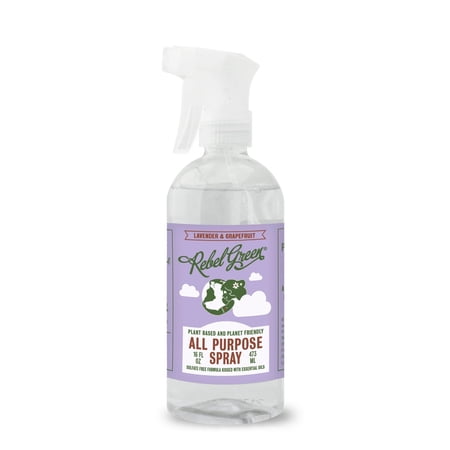
RGRN ALL PURP LAV GRPFRT ( 4 X 16 OZ )
At a glance
Summary
This cleaning product features plant-derived surfactants like capryloyl/caproyl methyl glucamide and lauroyl/myristoyl methyl glucamide, which are mild, effective, and biodegradable. The inclusion of citric acid further enhances its cleaning power while maintaining environmental safety. The absence of harsh chemicals such as SLS, synthetic fragrances, and quaternary ammonium compounds contributes to its high safety and eco-friendly profile. Its plastic packaging can shed microplastics into the product and lowers its score.
Key ingredients 8
Capryloyl/caproyl Methyl GlucamideGood
Capryloyl/caproyl methyl glucamide is a plant-derived surfactant known for its mildness and effectiveness in cleaning. It is biodegradable and considered environmentally friendly. It is often used as an alternative to harsher surfactants.
Risks
There are minimal risks associated with this ingredient as it is generally considered safe.
Benefits
It provides effective cleaning while being gentle on the skin and the environment.
Lauroyl/Myristoyl Methyl GlucamideGood
Lauroyl/myristoyl methyl glucamide is a mild, plant-derived surfactant. It is effective in removing dirt and grease while being gentle on surfaces. It is biodegradable and considered safe for the environment.
Risks
There are minimal risks associated with this ingredient.
Benefits
It provides effective cleaning with a reduced environmental impact.
Aqua (Water)Neutral
Water is a universal solvent and is used as a base in many cleaning products. It helps dissolve other ingredients and facilitates the cleaning process. It is generally considered safe and non-toxic.
Risks
There are no significant risks associated with water in cleaning products.
Benefits
Water is essential for dissolving and distributing other cleaning agents effectively.
Sodium CarbonateNeutral
Sodium carbonate, also known as washing soda, is used to soften water and enhance the cleaning power of detergents. It is a common ingredient in many cleaning products. It is generally safe when used as directed.
Risks
It can be irritating to the skin and eyes in concentrated forms.
Benefits
It improves the effectiveness of cleaning agents by adjusting water hardness.
EthanolNeutral
Ethanol is a common solvent and disinfectant used in cleaning products. It helps dissolve other ingredients and provides antimicrobial properties. It is generally safe when used in appropriate concentrations.
Risks
High concentrations can be flammable and may cause skin irritation.
Benefits
It enhances the cleaning and disinfecting properties of the product.
Mentha Piperitas and Citrus Limon Peel OilNeutral
These essential oils are used for their fragrance and potential antimicrobial properties. They are derived from natural sources and are generally considered safe. They can enhance the sensory experience of using the product.
Risks
Essential oils can cause allergic reactions in sensitive individuals.
Benefits
They provide a pleasant scent and may offer additional cleaning benefits.
Citric AcidNeutral
Common acidulant and preservative — safe at typical use levels, neither beneficial nor harmful.
Risks
In concentrated forms, it can cause skin irritation.
Benefits
It is a natural, effective cleaning agent that is environmentally friendly.
Propylene GlycolBad
Processed additive flagged under Scout's ingredient doctrine.
Risks
In high concentrations, it may cause skin irritation or allergic reactions.
Benefits
It enhances the stability and effectiveness of the cleaning formulation.
Processing
Processed Foods
Get the full breakdown in the Scout appTake Scout shopping
Scan any product to see lab results, healthy alternatives, and your personalized analysis.