
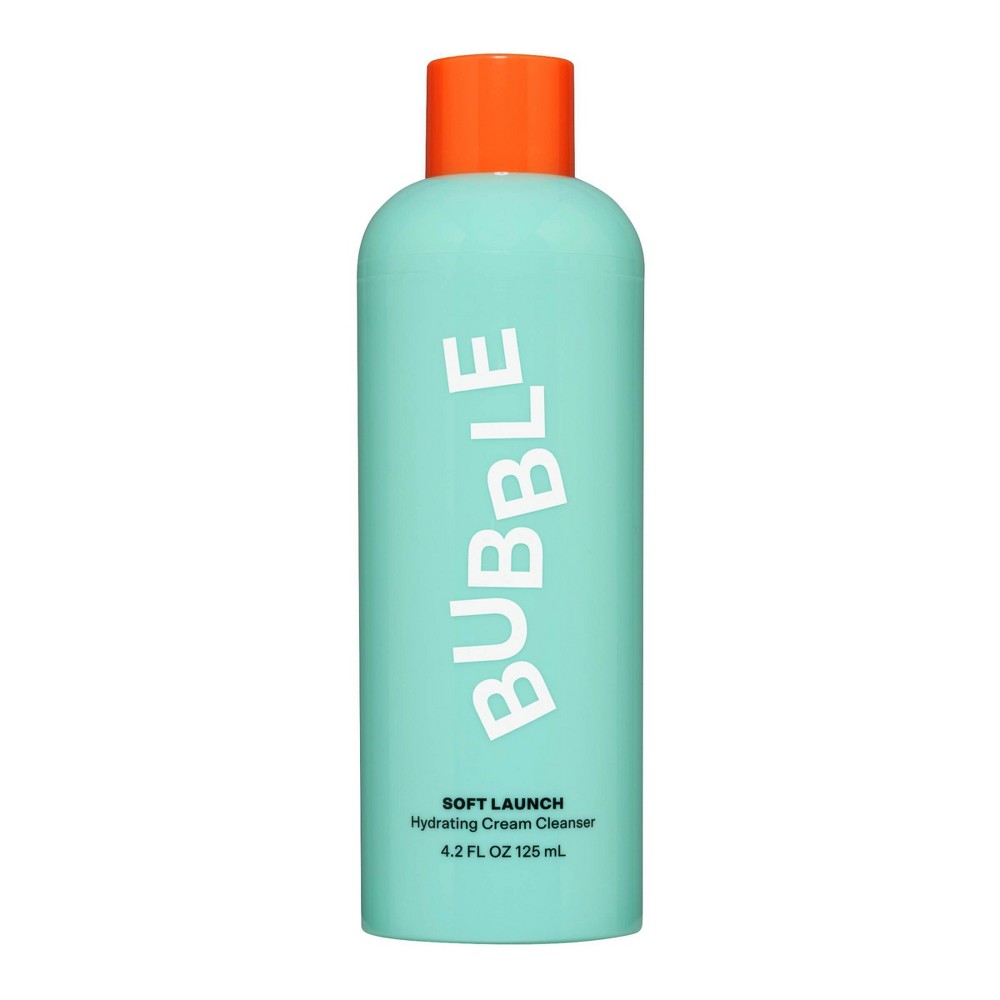
Bubble Skincare Soft Launch Hydrating Cream Cleanser - 4.2 fl oz: Sensitive & Dry Skin, Paraben-Free, Unscented
Analysis updated August 2026 · How Scout scores
At a glance
Summary
This hydrating cream cleanser features a range of beneficial ingredients such as ceramides, allantoin, and avocado oil, which support skin hydration and barrier function. The product is free from parabens and synthetic fragrances, making it suitable for sensitive skin. However, the presence of phenoxyethanol, a synthetic preservative, slightly detracts from its overall safety profile, although it is used in low concentrations.
Key ingredients 28
AllantoinVery Good
Allantoin is a skin-soothing agent known for its ability to calm and protect the skin. It is used in skincare products for its healing and moisturizing properties. It is considered safe and beneficial for sensitive skin.
Risks
There are minimal risks associated with allantoin.
Benefits
It helps to soothe irritated skin and promote healing.
Ceramide APVery Good
Ceramide AP is a type of ceramide that helps to maintain the skin's barrier function. It is used in skincare products for its hydrating and protective properties. It is considered safe and beneficial for all skin types.
Risks
There are minimal risks associated with ceramide AP.
Benefits
It helps to improve the skin's hydration and barrier function.
Ceramide EOPVery Good
Ceramide EOP is a lipid molecule that plays a crucial role in maintaining the skin's barrier. It is used in skincare products for its moisturizing and protective properties. It is considered safe and beneficial for all skin types.
Risks
There are minimal risks associated with ceramide EOP.
Benefits
It helps to restore the skin's natural barrier and retain moisture.
Persea Gratissima (Avocado) OilVery Good
Avocado oil is a natural oil rich in vitamins and fatty acids, known for its moisturizing and nourishing properties. It is used in skincare products to hydrate and soften the skin. It is considered safe and beneficial for all skin types.
Risks
There are minimal risks associated with avocado oil.
Benefits
It provides deep hydration and nourishment to the skin.
Ceramide NPGood
Ceramide NP is a lipid molecule that helps to restore the skin's natural barrier. It is used in skincare products for its moisturizing and protective properties. It is considered safe and beneficial for all skin types.
Risks
There are minimal risks associated with ceramide NP.
Benefits
It helps to strengthen the skin's barrier and retain moisture.
Water (Aqua)Neutral
Water is a common solvent used in skincare products to dissolve other ingredients. It helps in forming the base of the product. It does not provide direct benefits or risks.
Risks
There are no significant risks associated with water in skincare products.
Benefits
Water helps in hydrating the skin by providing moisture.
Cocamidopropyl HydroxysultaineNeutral
Cocamidopropyl Hydroxysultaine is a mild surfactant used for its foaming and cleansing properties. It is derived from coconut oil and is considered less irritating than harsher surfactants. It is generally well-tolerated by most skin types.
Risks
In rare cases, it may cause mild irritation or allergic reactions.
Benefits
It provides gentle cleansing without stripping the skin of its natural oils.
Behenyl AlcoholNeutral
Behenyl Alcohol is a fatty alcohol used as an emollient and thickener in skincare products. It helps to improve the texture and spreadability of the product. It is not drying like other alcohols and is generally safe for sensitive skin.
Risks
There are minimal risks associated with behenyl alcohol as it is non-irritating.
Benefits
It helps to soften and smooth the skin, enhancing the product's moisturizing properties.
Polyacrylate Crosspolymer-6Neutral
Polyacrylate Crosspolymer-6 is used as a thickening agent and stabilizer in cosmetic formulations. It helps to create a smooth and consistent texture. It is generally considered safe for use in skincare products.
Risks
There are no significant risks associated with this ingredient.
Benefits
It enhances the texture and stability of the product, ensuring even application.
Polyglyceryl-2 StearateNeutral
Polyglyceryl-2 Stearate is an emulsifier that helps to blend oil and water-based ingredients. It is derived from natural sources and is considered safe for use in cosmetics. It helps to maintain the consistency of the product.
Risks
There are minimal risks associated with this ingredient.
Benefits
It aids in the even distribution of the product on the skin.
Glyceryl StearateNeutral
Glyceryl Stearate is an emulsifying agent that helps to stabilize and thicken formulations. It is derived from glycerin and stearic acid and is considered safe for use in cosmetics. It helps to improve the texture of the product.
Risks
There are minimal risks associated with glyceryl stearate.
Benefits
It provides a smooth and creamy texture, enhancing the product's feel on the skin.
Pentylene GlycolNeutral
Pentylene Glycol is a synthetic humectant that helps to retain moisture in the skin. It also acts as a solvent and preservative booster. It is generally considered safe for use in skincare products.
Risks
There are minimal risks associated with pentylene glycol.
Benefits
It helps to hydrate the skin and improve the product's shelf life.
GlycolipidsNeutral
Glycolipids are naturally occurring compounds that help to maintain the skin's barrier function. They are used in skincare products for their moisturizing properties. They are generally well-tolerated by most skin types.
Risks
There are minimal risks associated with glycolipids.
Benefits
They help to strengthen the skin's natural barrier and retain moisture.
Sphingomonas Ferment ExtractNeutral
Sphingomonas Ferment Extract is a biotechnologically derived ingredient used for its moisturizing and skin-conditioning properties. It is considered safe for use in cosmetics. It helps to improve the skin's texture and hydration.
Risks
There are minimal risks associated with this ingredient.
Benefits
It provides hydration and improves the overall appearance of the skin.
Sodium PhytateNeutral
Sodium Phytate is a chelating agent used to stabilize cosmetic formulations. It helps to prevent the degradation of the product by binding metal ions. It is considered safe for use in skincare products.
Risks
There are minimal risks associated with sodium phytate.
Benefits
It helps to maintain the stability and efficacy of the product.
Sodium Lauroyl LactylateNeutral
Sodium Lauroyl Lactylate is a mild surfactant and emulsifier used in skincare products. It helps to cleanse the skin without stripping its natural oils. It is considered safe for use in cosmetics.
Risks
There are minimal risks associated with sodium lauroyl lactylate.
Benefits
It provides gentle cleansing and helps to maintain the skin's moisture balance.
PolylysineNeutral
Polylysine is a naturally occurring amino acid polymer used as a preservative in cosmetics. It helps to inhibit the growth of bacteria and extend the product's shelf life. It is considered safe for use in skincare products.
Risks
There are minimal risks associated with polylysine.
Benefits
It helps to preserve the product and maintain its efficacy.
PhytosphingosineNeutral
Phytosphingosine is a lipid that helps to maintain the skin's barrier and has anti-inflammatory properties. It is used in skincare products for its soothing and protective benefits. It is considered safe for use in cosmetics.
Risks
There are minimal risks associated with phytosphingosine.
Benefits
It helps to soothe the skin and improve its barrier function.
CholesterolNeutral
Cholesterol is a lipid that helps to maintain the skin's barrier and retain moisture. It is used in skincare products for its moisturizing and protective properties. It is considered safe for use in cosmetics.
Risks
There are minimal risks associated with cholesterol.
Benefits
It helps to improve the skin's hydration and barrier function.
Sodium Methyl Cocoyl TaurateNeutral
Sodium Methyl Cocoyl Taurate is a mild surfactant used for its cleansing and foaming properties. It is derived from coconut oil and is considered less irritating than harsher surfactants. It is generally well-tolerated by most skin types.
Risks
In rare cases, it may cause mild irritation or allergic reactions.
Benefits
It provides gentle cleansing without stripping the skin of its natural oils.
Xanthan GumNeutral
Xanthan Gum is a natural thickening agent used to stabilize and thicken cosmetic formulations. It helps to improve the texture and consistency of the product. It is considered safe for use in skincare products.
Risks
There are minimal risks associated with xanthan gum.
Benefits
It enhances the texture and stability of the product, ensuring even application.
CarbomerNeutral
Carbomer is a synthetic polymer used as a thickening and stabilizing agent in cosmetics. It helps to create a smooth and consistent texture. It is generally considered safe for use in skincare products.
Risks
There are minimal risks associated with carbomer.
Benefits
It enhances the texture and stability of the product, ensuring even application.
Stearyl AlcoholNeutral
Stearyl Alcohol is a fatty alcohol used as an emollient and thickener in skincare products. It helps to improve the texture and spreadability of the product. It is not drying like other alcohols and is generally safe for sensitive skin.
Risks
There are minimal risks associated with stearyl alcohol.
Benefits
It helps to soften and smooth the skin, enhancing the product's moisturizing properties.
Citric AcidNeutral
Citric Acid is used to adjust the pH of cosmetic formulations. It is derived from citrus fruits and is considered safe for use in skincare products. It helps to maintain the stability and efficacy of the product.
Risks
In high concentrations, it may cause skin irritation.
Benefits
It helps to maintain the product's pH balance and stability.
Trisodium Ethylenediamine DisuccinateNeutral
Trisodium Ethylenediamine Disuccinate is a chelating agent used to stabilize cosmetic formulations. It helps to prevent the degradation of the product by binding metal ions. It is considered safe for use in skincare products.
Risks
There are minimal risks associated with this ingredient.
Benefits
It helps to maintain the stability and efficacy of the product.
Polyglyceryl-6 DicaprateNeutral
Polyglyceryl-6 Dicaprate is an emulsifier that helps to blend oil and water-based ingredients. It is derived from natural sources and is considered safe for use in cosmetics. It helps to maintain the consistency of the product.
Risks
There are minimal risks associated with this ingredient.
Benefits
It aids in the even distribution of the product on the skin.
EthylhexylglycerinNeutral
Ethylhexylglycerin is a synthetic compound used as a preservative and skin-conditioning agent. It helps to enhance the efficacy of other preservatives and improve the product's texture. It is considered safe for use in skincare products.
Risks
There are minimal risks associated with ethylhexylglycerin.
Benefits
It helps to preserve the product and improve its texture.
PhenoxyethanolBad
Phenoxyethanol is a synthetic preservative used to prevent the growth of bacteria and extend the product's shelf life. It is considered a potential irritant, especially for sensitive skin. It is generally safe in low concentrations but can cause reactions in some individuals.
Risks
It may cause skin irritation or allergic reactions in sensitive individuals.
Benefits
It helps to preserve the product and maintain its efficacy.
Processing
Processed Foods
Get the full breakdown in the Scout appTake Scout shopping
Scan any product to see lab results, healthy alternatives, and your personalized analysis.
Download on theApp Store GET IT ONGoogle PlayAmazon pricing & content
Amazon price as of . Product prices and availability are accurate as of the date/time indicated and are subject to change. Any price and availability information displayed on Amazon.com at the time of purchase will apply to the purchase of this product.
CERTAIN CONTENT THAT APPEARS ON THIS SITE COMES FROM AMAZON. THIS CONTENT IS PROVIDED “AS IS” AND IS SUBJECT TO CHANGE OR REMOVAL AT ANY TIME.