


Revive Magnesium Glycinate
Analysis updated July 2026 · How Scout scores
At a glance
Summary
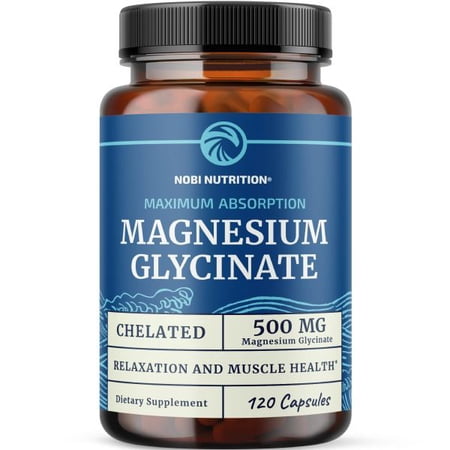
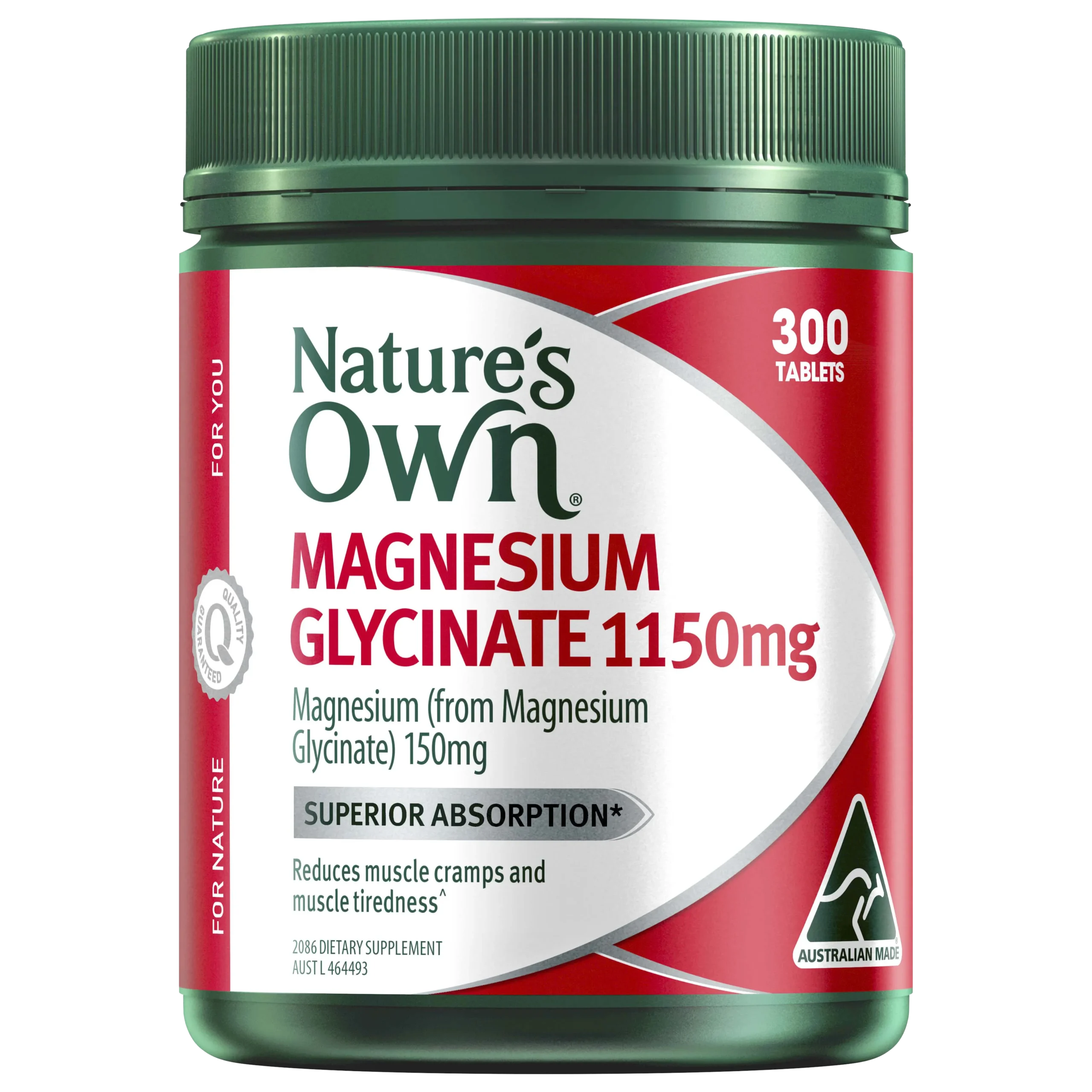
This magnesium glycinate supplement features a highly bioavailable form of magnesium, which is beneficial for muscle and nerve function, and is well-tolerated. However, the presence of magnesium stearate, a controversial additive, and other fillers like maltodextrin and silicon dioxide, slightly detracts from its overall formulation quality. Despite these additives, the product maintains a reasonable level of ingredient safety and effectiveness.
Key ingredients 6
Magnesium GlycinateVery Good
Magnesium glycinate is a highly bioavailable form of magnesium, which is essential for numerous bodily functions including muscle and nerve function, blood glucose control, and bone health. It is well-tolerated and less likely to cause gastrointestinal issues compared to other forms of magnesium. This form of magnesium is often recommended for its calming effects and support in reducing anxiety and improving sleep quality.
Benefits
Highly bioavailable and supports various physiological functions, including muscle relaxation and nervous system health.
HydroxypropylmethylcelluloseNeutral
Hydroxypropylmethylcellulose is a plant-derived compound used as a capsule material and stabilizer in supplements. It is generally recognized as safe and does not contribute any nutritional value. It serves as an alternative to gelatin for vegetarian and vegan products.
Benefits
Provides a vegetarian-friendly capsule option without significant nutritional benefits.
Dicalcium PhosphateNeutral
Dicalcium phosphate is used as a dietary supplement and a tableting agent in the pharmaceutical industry. It provides a source of calcium and phosphorus, which are essential for bone health. However, in supplement form, it primarily acts as a filler and binder.
Risks
Excessive intake may lead to imbalances in calcium and phosphorus levels.
Benefits
Provides calcium and phosphorus, which are beneficial for bone health.
Magnesium StearateNeutral
Standard formulation ingredient — neither beneficial nor harmful at typical use.
Risks
May inhibit nutrient absorption and is considered a controversial additive.
Silicon DioxideNeutral
Silicon dioxide is used as an anti-caking agent to prevent clumping in powdered supplements. It is naturally occurring and generally recognized as safe in small quantities. It does not provide any nutritional benefits.
See more about Silicon Dioxide →MaltodextrinBad
Processed additive flagged under Scout's ingredient doctrine.
Risks
May cause blood sugar spikes, especially in individuals with insulin sensitivity.
Processing
Processed Foods
Get the full breakdown in the Scout appTake Scout shopping
Scan any product to see lab results, healthy alternatives, and your personalized analysis.
Download on theApp Store GET IT ONGoogle PlayAmazon pricing & content
Amazon price as of . Product prices and availability are accurate as of the date/time indicated and are subject to change. Any price and availability information displayed on Amazon.com at the time of purchase will apply to the purchase of this product.
CERTAIN CONTENT THAT APPEARS ON THIS SITE COMES FROM AMAZON. THIS CONTENT IS PROVIDED “AS IS” AND IS SUBJECT TO CHANGE OR REMOVAL AT ANY TIME.