
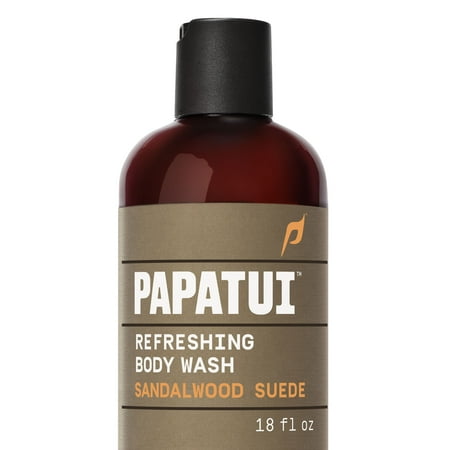
Papatui Refreshing Men s Body Wash Sandalwood Suede 18 oz
Summary
This body wash contains sodium C14-16 olefin sulfonate, a harsh surfactant that can be irritating to the skin, and synthetic fragrance, which can include undisclosed chemicals. However, it also includes beneficial ingredients like coconut oil and glycerin, which can help moisturize and soothe the skin. The presence of natural extracts and the absence of more harmful chemicals like parabens or formaldehyde releasers contribute positively to its score.
At a glance
Key ingredients 20
WaterNeutral
Water is a universal solvent and is used as a base in many cosmetic formulations. It helps dissolve other ingredients and provides a medium for them to interact. It is generally considered safe and non-irritating.
Risks
There are no significant risks associated with water in cosmetics.
Benefits
Water hydrates the skin and helps in the application of the product.
Sodium C14-16 Olefin SulfonateBad
Sodium C14-16 Olefin Sulfonate is a surfactant used for its cleansing properties. It can be harsh on the skin, stripping away natural oils and potentially causing irritation. It is often considered a less desirable ingredient in personal care products.
Risks
May cause skin irritation and dryness, especially for sensitive skin types.
Benefits
Effectively removes dirt and oil from the skin.
Cocamidopropyl HydroxysultaineNeutral
Cocamidopropyl Hydroxysultaine is a mild surfactant derived from coconut oil. It is used to enhance the foaming properties of cleansing products. It is generally considered safe for use in cosmetics.
Risks
May cause mild irritation in some individuals.
Benefits
Provides gentle cleansing and helps maintain the skin's moisture balance.
FragranceBad
Fragrance is added to products to provide a pleasant scent. However, it can be a mixture of many chemicals, some of which may cause allergic reactions or skin irritation. Fragrance is often criticized for its potential to cause sensitivity.
Risks
Potential allergen and irritant, especially for sensitive skin.
Benefits
Enhances the sensory experience of the product.
Sodium ChlorideNeutral
Sodium Chloride, or table salt, is used to thicken the consistency of cosmetic products. It is generally considered safe and non-irritating in small amounts. It is a common ingredient in many personal care formulations.
Risks
Excessive use can lead to dryness or irritation.
Benefits
Helps to improve the texture and viscosity of the product.
Cocamide MIPANeutral
Cocamide MIPA is a surfactant and foam booster derived from coconut oil. It is used to stabilize foam and improve the texture of cleansing products. It is generally considered safe for use in cosmetics.
Risks
May cause mild irritation in sensitive individuals.
Benefits
Enhances foaming and cleansing properties of the product.
Polyquaternium-33Neutral
Polyquaternium-33 is a conditioning agent used to improve the texture and feel of hair and skin. It helps to reduce static and enhance the smoothness of the product. It is generally considered safe for use in cosmetics.
Risks
May cause mild irritation in some individuals.
Benefits
Improves the conditioning and feel of the skin and hair.
Decyl GlucosideVery Good
Decyl Glucoside is a mild, non-ionic surfactant derived from glucose and coconut oil. It is known for being gentle on the skin and is suitable for sensitive skin types. It is often used in natural and organic formulations.
Risks
Generally considered safe with minimal risk of irritation.
Benefits
Provides gentle cleansing without stripping the skin's natural oils.
Cocos Nucifera (Coconut) OilVery Good
Coconut oil is a natural emollient that helps to moisturize and nourish the skin. It is rich in fatty acids and has antimicrobial properties. It is widely used in skincare for its hydrating and soothing benefits.
Risks
May cause breakouts in acne-prone skin due to its comedogenic nature.
Benefits
Deeply moisturizes and nourishes the skin, providing a protective barrier.
Hibiscus Sabdariffa (Red Sorrel) Flower ExtractGood
Hibiscus extract is rich in antioxidants and is known for its anti-aging properties. It helps to improve skin elasticity and provides a natural source of alpha-hydroxy acids (AHAs). It is beneficial for maintaining healthy, youthful skin.
Risks
Generally considered safe with minimal risk of irritation.
Benefits
Provides antioxidant protection and promotes skin elasticity.
GlycerinVery Good
Glycerin is a humectant that attracts moisture to the skin, helping to keep it hydrated. It is a common ingredient in skincare products due to its moisturizing properties. It is suitable for all skin types and is non-irritating.
Risks
Generally considered safe with minimal risk of irritation.
Benefits
Helps to maintain skin hydration and improve moisture retention.
Disodium Tetrasodium Glutamate DiacetateNeutral
This ingredient is a chelating agent used to enhance the stability and efficacy of cosmetic formulations. It helps to bind metal ions and prevent them from affecting the product's performance. It is generally considered safe for use in cosmetics.
Risks
May cause mild irritation in sensitive individuals.
Benefits
Improves product stability and enhances the effectiveness of preservatives.
Capryloyl/Caproyl Methyl GlucamideNeutral
This ingredient is a mild surfactant used for its cleansing properties. It is derived from natural sources and is considered gentle on the skin. It is often used in formulations designed for sensitive skin.
Risks
Generally considered safe with minimal risk of irritation.
Benefits
Provides gentle cleansing suitable for sensitive skin.
Citric AcidNeutral
Citric acid is used to adjust the pH of cosmetic formulations. It is an alpha-hydroxy acid (AHA) that can also provide mild exfoliation. It is generally considered safe for use in cosmetics.
Risks
May cause irritation if used in high concentrations.
Benefits
Helps to balance the pH and provides mild exfoliation.
Glyceryl OleateNeutral
Glyceryl Oleate is an emulsifier and skin-conditioning agent derived from natural oils. It helps to stabilize formulations and improve the texture of the product. It is generally considered safe for use in cosmetics.
Risks
May cause mild irritation in sensitive individuals.
Benefits
Improves product texture and provides skin-conditioning benefits.
Sodium BenzoateNeutral
Sodium Benzoate is a preservative used to prevent microbial growth in cosmetic products. It is generally recognized as safe when used within recommended concentrations. It is commonly used in combination with other preservatives.
Risks
May cause mild irritation in sensitive individuals.
Benefits
Helps to preserve the product and extend its shelf life.
Titanium DioxideNeutral
Titanium Dioxide is used as a pigment and UV filter in cosmetics. It provides opacity and sun protection in formulations. It is generally considered safe for use in cosmetics.
Risks
Inhalation of fine particles may pose respiratory risks.
Benefits
Provides sun protection and improves product opacity.
Sodium HydroxideNeutral
Sodium Hydroxide is used to adjust the pH of cosmetic formulations. It is a strong alkaline compound that must be used in controlled amounts. It is generally considered safe when used appropriately.
Risks
Can cause irritation if used in high concentrations.
Benefits
Helps to balance the pH of the product.
LinaloolNeutral
Linalool is a naturally occurring fragrance compound found in many essential oils. It is used to impart a pleasant scent to cosmetic products. It is generally considered safe but can cause allergic reactions in sensitive individuals.
Risks
Potential allergen for sensitive individuals.
Benefits
Provides a pleasant fragrance to the product.
LimoneneNeutral
Limonene is a fragrance ingredient derived from citrus oils. It is used to provide a fresh, citrus scent to cosmetic products. It is generally considered safe but can oxidize and cause skin irritation in some individuals.
Risks
Potential allergen and irritant, especially when oxidized.
Benefits
Provides a fresh, citrus fragrance to the product.
Processing
Ultra-Processed Foods
Get the full breakdown in the Scout app
Scan any product to see lab results, healthy alternatives, and your personalized analysis.
Download on theApp Store