
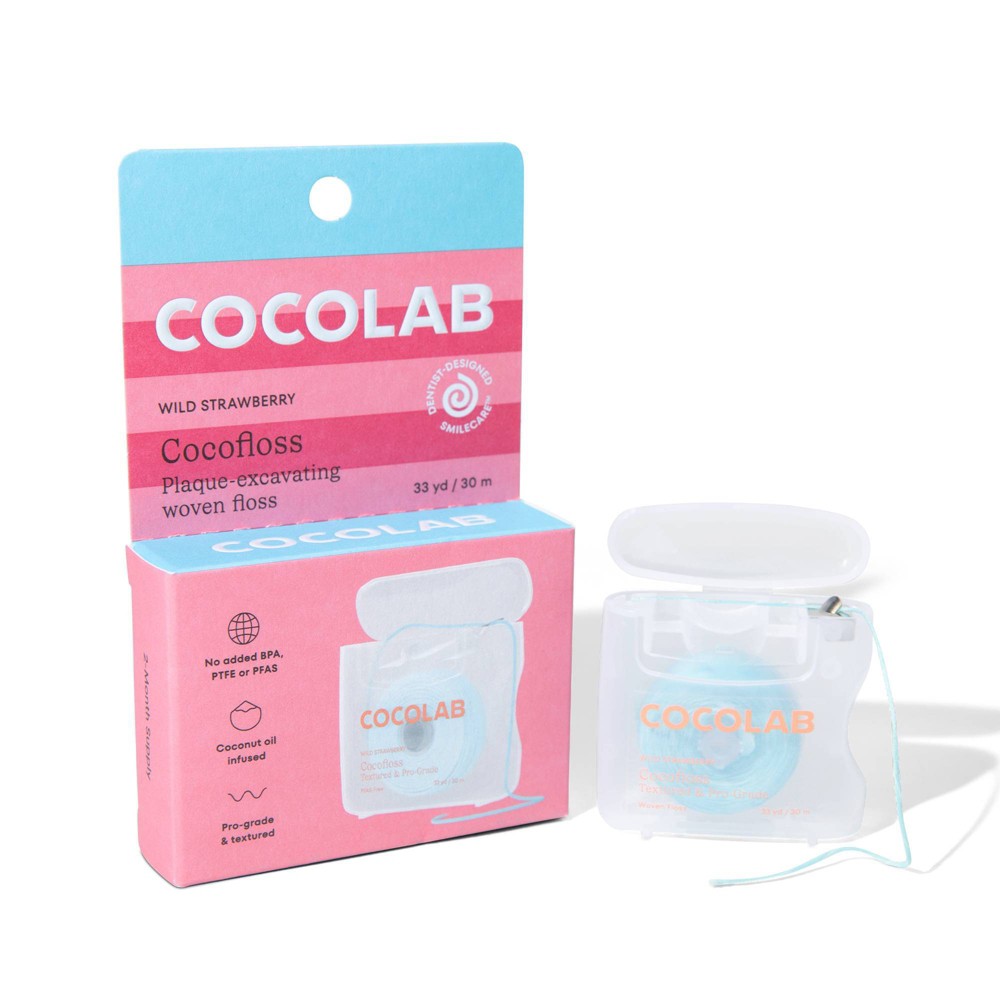

Cocolab Cocofloss Refillable Woven Expanding Dental Floss - Wild Strawberry - 33yd
Summary
This dental floss is processed but does not contain any harmful oral care ingredients typically found in toothpaste or mouthwash, such as SLS or fluoride. The product's clean ingredient profile and lack of known irritants contribute positively to its rating. However, as a processed product, it cannot achieve the highest possible score reserved for exceptionally clean formulations.
At a glance
Key ingredients 7
Coconut Oil
Coconut oil is a natural antimicrobial agent that can help reduce harmful bacteria in the mouth. It is often used in oil pulling practices to promote oral health. Its natural properties make it a beneficial ingredient in oral care products.
Risks
There are minimal risks associated with coconut oil in oral care, though some individuals may experience allergic reactions.
Benefits
Coconut oil can help reduce plaque and improve gum health due to its antibacterial properties.
Polyester
Polyester is a synthetic fiber used to create the structure of the dental floss. It provides strength and durability, ensuring the floss does not break easily during use. While it is effective for its purpose, it does not contribute to oral health benefits.
Risks
Polyester is non-biodegradable and can contribute to environmental pollution if not disposed of properly.
Benefits
Polyester provides a strong and durable material for effective flossing.
Propylene Glycol
Propylene glycol is a synthetic compound used to maintain moisture and texture in products. In oral care, it can act as a humectant, keeping the floss pliable. However, it is a petroleum-derived substance that can be irritating to some individuals.
Risks
Propylene glycol can cause irritation to the central nervous system and kidneys if ingested in large quantities.
Benefits
It helps maintain the moisture and flexibility of the floss, enhancing user experience.
Microcrystalline Wax
Microcrystalline wax is used to coat the floss, providing a smooth surface that aids in easy gliding between teeth. It is derived from petroleum but is generally considered safe for topical use in oral care products. Its primary function is mechanical rather than health-related.
Risks
As a petroleum-derived product, it may cause concern for those seeking natural alternatives.
Benefits
It enhances the flossing experience by reducing friction and preventing breakage.
Triacetin
Triacetin is a triester of glycerin and acetic acid, used as a plasticizer and humectant. In dental floss, it helps maintain flexibility and prevents the floss from becoming brittle. It is generally recognized as safe for use in food and personal care products.
Risks
There are minimal risks associated with triacetin, though some individuals may prefer to avoid synthetic additives.
Benefits
Triacetin helps keep the floss flexible and easy to use.
Coconut Aldehyde
Coconut aldehyde is used for its fragrance, providing a pleasant coconut scent to the floss. It is a synthetic compound that mimics the natural aroma of coconut. While it enhances the sensory experience, it does not contribute to oral health.
Risks
Synthetic fragrances can cause allergic reactions or sensitivities in some individuals.
Benefits
It provides a pleasant scent, making the flossing experience more enjoyable.
Ethyl Vanillin
Ethyl vanillin is a synthetic flavoring agent that provides a vanilla-like aroma and taste. It is used to enhance the sensory appeal of the floss. While it improves the user experience, it does not offer direct oral health benefits.
Risks
As a synthetic compound, it may cause allergic reactions in sensitive individuals.
Benefits
It enhances the flavor and aroma of the floss, making it more appealing to use.
Processing
Processed Foods
Get the full breakdown in the Scout app
Scan any product to see lab results, healthy alternatives, and your personalized analysis.
Download on theApp Store