


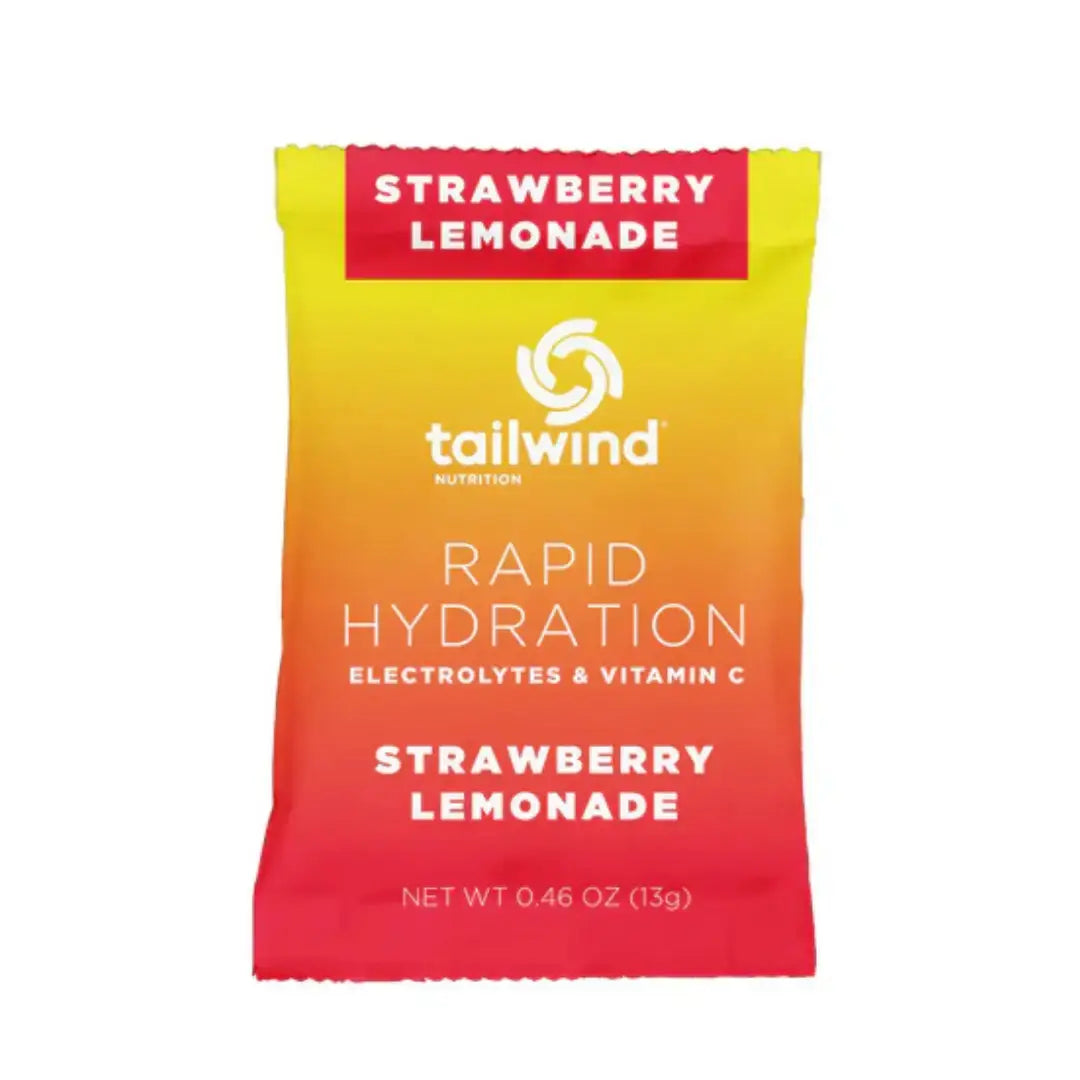


Strawberry Lemonade
Summary
This beverage is ultra-processed, which limits its potential health benefits despite having low calories and carbs. The use of plant-based natural flavors and fermented cane sugar, both highly processed ingredients, detracts from its overall quality. While it contains organic lemon juice concentrate, the presence of vague flavoring agents and processed sweeteners impacts its score negatively.
At a glance
Key ingredients 7
Filtered Carbonated WaterNeutral
Filtered carbonated water is primarily used as a base for beverages, providing effervescence without adding calories or sugars. It is processed to remove impurities, ensuring a clean and safe ingredient. No significant health impacts are associated with its consumption.
See more about Filtered Carbonated Water →Organic Lemon Juice ConcentrateGood
Organic lemon juice concentrate provides natural flavor and vitamin C, contributing to the beverage's refreshing taste and potential antioxidant benefits. Being organic, it is free from synthetic pesticides and fertilizers, enhancing its quality. It can support immune function and improve skin health.
Risks
Excessive consumption may lead to dental erosion due to its acidic nature.
Benefits
Rich in vitamin C and antioxidants, supporting immune health and providing a refreshing taste.
Organic CaffeineNeutral
Organic caffeine is a natural stimulant derived from unroasted coffee beans, providing an energy boost without synthetic additives. Its organic certification ensures it is free from synthetic chemicals. It can enhance alertness and cognitive performance.
Risks
Excessive caffeine intake may lead to increased heart rate, anxiety, or sleep disturbances.
Benefits
Can improve mental alertness and physical performance when consumed in moderation.
Plant-Based Natural FlavorsBad
Plant-based natural flavors are often used to enhance taste but can be vague in terms of specific ingredients and processing methods. They may contain a variety of compounds, some of which could be highly processed. The lack of transparency can be concerning for consumers seeking clean labels.
Risks
Potential for undisclosed additives or allergens, and may contribute to overconsumption of flavored products.
Citric AcidNeutral
Citric acid is a common food additive used to enhance flavor and preserve freshness. It is naturally found in citrus fruits but is often industrially produced for use in foods. It is generally recognized as safe when consumed in typical amounts.
Risks
Excessive consumption may lead to dental erosion or gastrointestinal discomfort.
Benefits
Helps preserve food and enhance flavor without adding calories.
Fermented Cane Sugar (Reb-M)Bad
Fermented cane sugar, particularly Reb-M, is a highly processed sweetener derived from sugar cane, often used as a sugar substitute. While it provides sweetness without calories, its processing can strip away any nutritional benefits. It may contribute to a preference for overly sweet foods.
Risks
May lead to increased cravings for sweet foods and potential metabolic effects.
Benefits
Provides sweetness without adding calories, which can be beneficial for calorie control.
Monk Fruit ExtractNeutral
Monk fruit extract is a natural sweetener derived from the monk fruit, offering sweetness without calories. It is considered a healthier alternative to artificial sweeteners and sugar. It does not raise blood sugar levels, making it suitable for diabetics.
Benefits
Provides a natural, calorie-free sweetness suitable for those managing blood sugar levels.
Processing
Ultra-Processed Foods
Get the full breakdown in the Scout app
Scan any product to see lab results, healthy alternatives, and your personalized analysis.
Download on theApp Store