
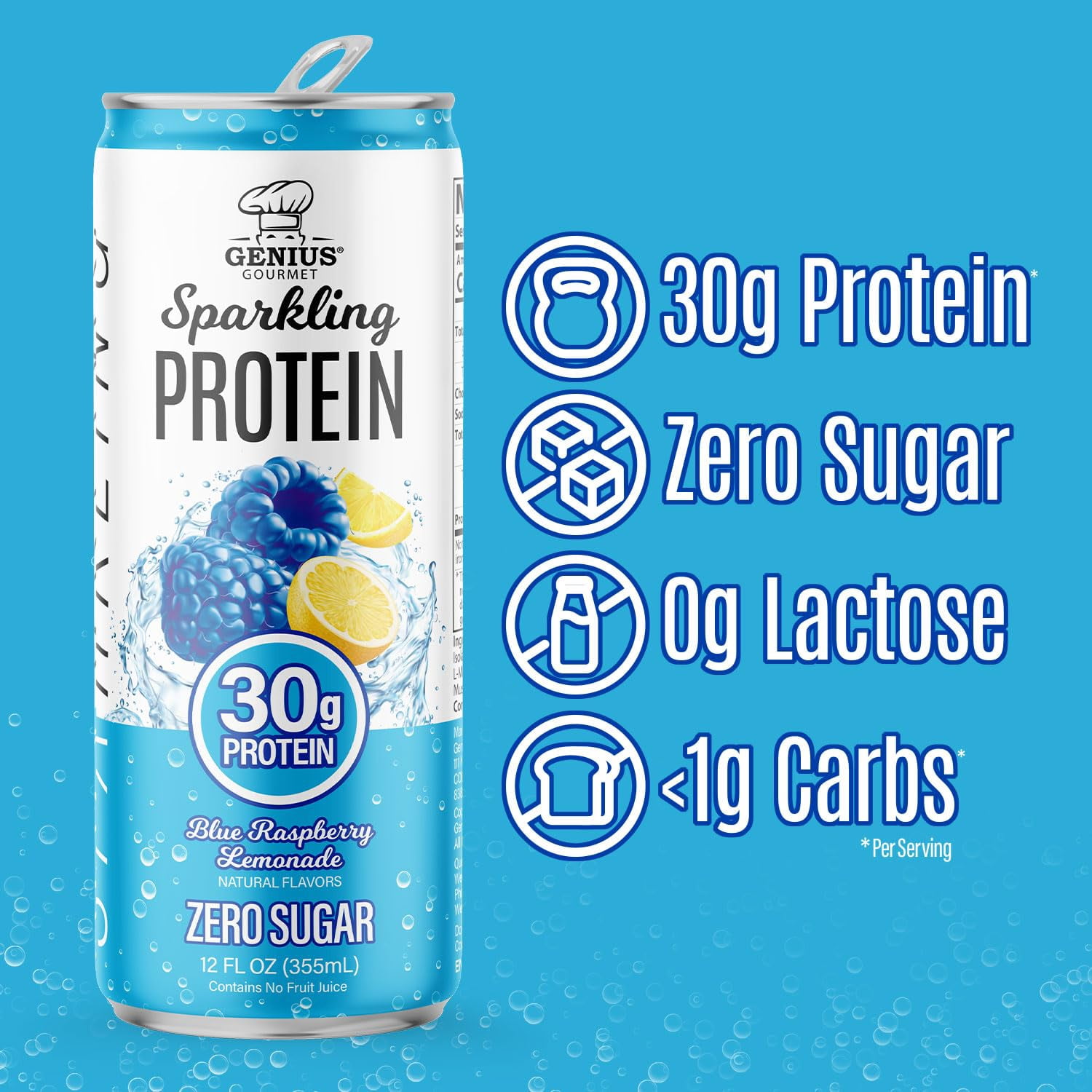


Sparkling Protein Blue Raspberry Lemonade
Summary
This beverage contains beneficial ingredients like whey protein isolate and bovine collagen peptides, which support muscle and joint health. However, it is heavily processed with additives such as phosphoric acid and sucralose, which can have negative health impacts. The presence of artificial sweeteners and natural flavors further detracts from its overall healthiness, despite its low carbohydrate content.
At a glance
Key ingredients 9
Carbonated WaterNeutral
Carbonated water is simply water that has been infused with carbon dioxide gas under pressure. It is a common ingredient in beverages to provide effervescence. No significant health impacts are associated with its consumption.
See more about Carbonated Water →Whey Protein IsolateGood
Whey protein isolate is a high-quality protein source derived from milk, known for its complete amino acid profile. It is processed to remove most fats and lactose, making it suitable for those with lactose intolerance. It supports muscle growth and repair, especially beneficial for athletes.
Risks
Excessive consumption may lead to digestive issues such as bloating or cramps.
Benefits
Rich in essential amino acids, it supports muscle synthesis and recovery.
Bovine Collagen PeptidesGood
Bovine collagen peptides are derived from cow hides and are known for supporting skin, joint, and bone health. They are hydrolyzed for better absorption and are a source of amino acids like glycine and proline. Regular intake may improve skin elasticity and joint function.
Benefits
Supports skin hydration and joint health due to its amino acid content.
L-Malic AcidNeutral
L-Malic acid is a naturally occurring organic compound found in fruits, used to enhance flavor and acidity in beverages. It is generally recognized as safe when used in food products. It contributes to the tart taste without significant health impacts.
Citric AcidNeutral
Citric acid is a weak organic acid commonly used as a preservative and flavor enhancer in foods and beverages. It is derived from cassava in this product, indicating a natural source. It helps maintain freshness and enhances flavor.
Risks
Excessive consumption may lead to dental erosion.
Phosphoric AcidBad
Phosphoric acid is used to acidify foods and beverages, providing a tangy flavor. It is a synthetic additive and can contribute to the erosion of tooth enamel over time. Its presence in beverages is often linked to potential negative impacts on bone health.
Risks
May contribute to reduced bone density and dental erosion with excessive consumption.
Natural FlavorsBad
Natural flavors are a catch-all term for flavoring agents derived from natural sources but often highly processed. The lack of transparency in their composition can be concerning for consumers seeking clean labels. They provide flavor enhancement without nutritional value.
Risks
Potential allergenicity and lack of transparency in ingredient sourcing.
SucraloseBad
Sucralose is an artificial sweetener used to provide sweetness without calories. It is highly processed and may alter gut microbiota when consumed in large amounts. While it is calorie-free, its long-term health impacts are still debated.
Risks
May affect gut health and insulin response with excessive use.
Benefits
Provides sweetness without adding calories, beneficial for calorie reduction.
Mushroom ExtractGood
Mushroom extract is derived from various types of mushrooms and is known for its potential health benefits, including immune support and antioxidant properties. It is a natural ingredient that can enhance the nutritional profile of beverages. The specific type of mushroom used can influence its health benefits.
Benefits
May support immune function and provide antioxidants.
Processing
Ultra-Processed Foods
Get the full breakdown in the Scout app
Scan any product to see lab results, healthy alternatives, and your personalized analysis.
Download on theApp Store