

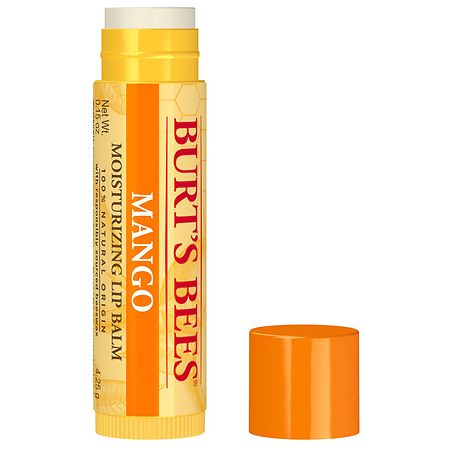

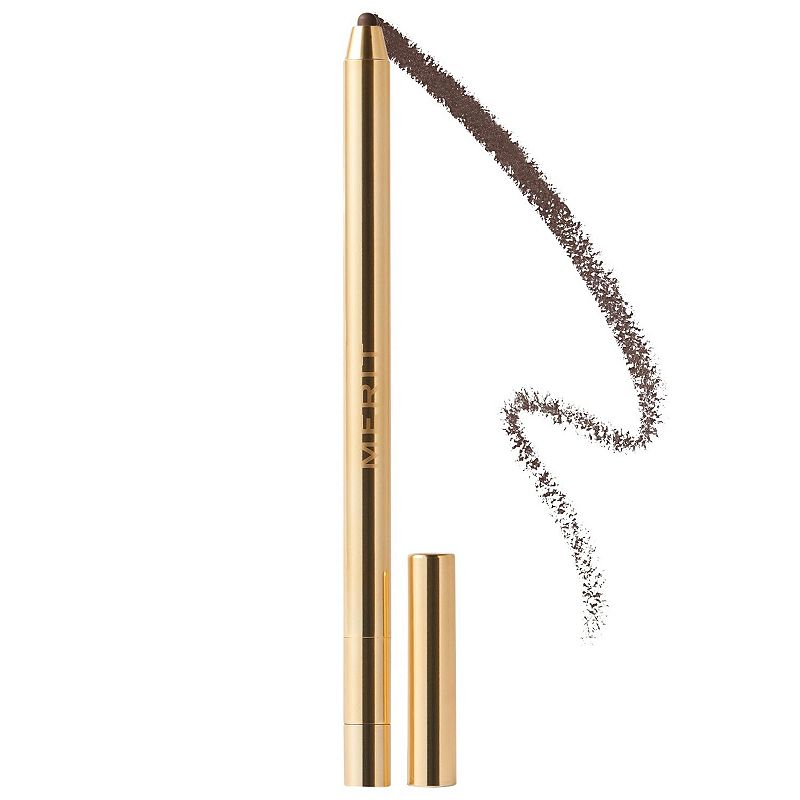

Summer Fridays SoftLine Lip Liner Long-Lasting Lip Pencil, Size: .33Oz, Toffee
Analysis updated August 2026 · How Scout scores
At a glance
Summary
This lip liner features a blend of natural oils and waxes, such as castor seed oil, jojoba seed oil, and carnauba wax, which are known for their moisturizing and skin-conditioning properties. The inclusion of beneficial ingredients like panthenol and tocopheryl acetate further enhances its skin-friendly profile. While it contains some synthetic colorants, the overall formulation is clean and free from harsh chemicals, making it a safe choice for lip care.
Key ingredients 20
Ricinus Communis (Castor) Seed OilVery Good
Castor seed oil is a natural oil derived from the seeds of the Ricinus communis plant. It is known for its moisturizing properties and ability to provide a protective barrier on the skin. It is widely used in cosmetics for its emollient benefits.
Risks
There is a low risk of allergic reactions, though it is generally considered safe.
Benefits
It is highly effective in providing deep hydration and nourishment to the skin.
Simmondsia Chinensis (Jojoba) Seed OilVery Good
Jojoba seed oil is a natural oil extracted from the seeds of the Simmondsia chinensis plant. It is known for its moisturizing and skin-conditioning properties. It is highly valued in cosmetics for its similarity to the skin's natural oils.
Risks
There are minimal risks associated with this ingredient.
Benefits
It provides excellent hydration and helps to balance the skin's natural oil production.
PanthenolVery Good
Panthenol is a form of vitamin B5 used in cosmetics for its moisturizing and skin-soothing properties. It helps to improve skin hydration and elasticity. It is generally considered safe and beneficial for the skin.
Risks
There are minimal risks associated with this ingredient.
Benefits
It enhances skin moisture retention and promotes a healthy skin barrier.
Helianthus Annuus (Sunflower) Seed OilVery Good
Sunflower seed oil is a natural oil extracted from the seeds of the Helianthus annuus plant. It is known for its moisturizing and skin-conditioning properties. It is widely used in cosmetics for its emollient benefits.
Risks
There are minimal risks associated with this ingredient.
Benefits
It provides deep hydration and helps to maintain the skin's natural barrier.
Cocos Nucifera (Coconut) OilVery Good
Coconut oil is a natural oil extracted from the meat of coconuts. It is known for its moisturizing and skin-conditioning properties. It is widely used in cosmetics for its emollient benefits.
Risks
There are minimal risks associated with this ingredient.
Benefits
It provides deep hydration and helps to maintain the skin's natural barrier.
Caprylic/capric TriglycerideGood
Caprylic/capric triglyceride is a mixed triester derived from coconut oil and glycerin. It is used as an emollient and helps to improve the spreadability of the product. It is generally considered safe and non-irritating.
Risks
There are minimal risks associated with this ingredient, though some individuals may experience mild irritation.
Benefits
It provides a lightweight, non-greasy barrier of lubrication that is highly valued in cosmetic formulations.
Copernicia Cerifera (Carnauba) WaxGood
Carnauba wax is a natural wax obtained from the leaves of the Copernicia prunifera palm. It is used to thicken and stabilize cosmetic formulations. It is considered safe and non-toxic.
Risks
There are minimal risks associated with this ingredient.
Benefits
It provides a glossy finish and helps to improve the durability of the product.
MicaGood
Beneficial ingredient — whole-food or functional value in this product class.
Risks
Inhalation of mica dust can be a concern, though it is typically not an issue in solid cosmetic products.
Benefits
It provides a natural shimmer and enhances the visual appeal of the product.
Tocopheryl AcetateGood
Tocopheryl acetate is a form of vitamin E used in cosmetics for its antioxidant properties. It helps to protect the skin from environmental damage. It is generally considered safe and beneficial for the skin.
Risks
There are minimal risks associated with this ingredient.
Benefits
It provides antioxidant protection and helps to maintain skin health.
TocopherolGood
Tocopherol is a form of vitamin E used in cosmetics for its antioxidant properties. It helps to protect the skin from oxidative stress. It is generally considered safe and beneficial for the skin.
Risks
There are minimal risks associated with this ingredient.
Benefits
It provides antioxidant protection and supports skin health.
Sodium HyaluronateGood
Sodium hyaluronate is a salt form of hyaluronic acid used in cosmetics for its hydrating properties. It helps to retain moisture in the skin and improve elasticity. It is highly valued for its ability to provide long-lasting hydration.
Risks
There are minimal risks associated with this ingredient.
Benefits
It provides intense hydration and helps to plump and smooth the skin.
C10-18 TriglyceridesNeutral
C10-18 triglycerides are a mixture of fatty acid esters used as emollients in cosmetics. They help to condition the skin and improve the texture of the product. They are generally considered safe for use in cosmetics.
Risks
There are no significant risks associated with this ingredient.
Benefits
They help to moisturize and soften the skin, enhancing the overall feel of the product.
Euphorbia Cerifera (Candelilla) WaxNeutral
Standard formulation ingredient — neither beneficial nor harmful at typical use.
Risks
There are minimal risks associated with this ingredient.
Benefits
It helps to enhance the texture and stability of the product.
Hydrogenated Castor OilNeutral
Standard formulation ingredient — neither beneficial nor harmful at typical use.
Risks
There are minimal risks associated with this ingredient.
Benefits
It provides moisturizing benefits and helps to improve the consistency of the product.
Ethylhexyl PalmitateNeutral
Ethylhexyl palmitate is an ester of 2-ethylhexyl alcohol and palmitic acid. It is used as an emollient and skin conditioning agent in cosmetics. It is generally considered safe for use.
Risks
There are minimal risks associated with this ingredient.
Benefits
It helps to improve the spreadability and texture of the product.
TrihydroxystearinNeutral
Trihydroxystearin is a triglyceride used as a thickening agent in cosmetics. It helps to stabilize formulations and improve texture. It is generally considered safe for use.
Risks
There are minimal risks associated with this ingredient.
Benefits
It enhances the consistency and stability of the product.
Titanium Dioxide (Ci 77891)Neutral
Titanium dioxide is a mineral used in cosmetics as a pigment and sunscreen agent. It provides opacity and UV protection. It is generally considered safe for use in cosmetics.
Risks
Inhalation of titanium dioxide particles can be a concern, though it is typically not an issue in solid cosmetic products.
Benefits
It provides UV protection and enhances the opacity of the product.
Iron Oxides (Ci 77491, Ci 77492, Ci 77499)Neutral
Iron oxides are pigments used in cosmetics to provide color. They are stable and non-toxic, making them suitable for use in a variety of products. They are generally considered safe for use.
Risks
There are minimal risks associated with these ingredients.
Benefits
They provide natural color and are stable in cosmetic formulations.
Red 7 Lake (Ci 15850)Neutral
Red 7 Lake is a synthetic pigment used in cosmetics to provide color. It is commonly used in lip products for its vibrant hue. It is generally considered safe for use.
Risks
There are minimal risks associated with this ingredient.
Benefits
It provides vibrant color and is stable in cosmetic formulations.
Red 6 (Ci 15850)Neutral
Red 6 is a synthetic pigment used in cosmetics to provide color. It is commonly used in lip products for its vibrant hue. It is generally considered safe for use.
Risks
There are minimal risks associated with this ingredient.
Benefits
It provides vibrant color and is stable in cosmetic formulations.
Processing
Processed Foods
Get the full breakdown in the Scout appTake Scout shopping
Scan any product to see lab results, healthy alternatives, and your personalized analysis.
Download on theApp Store GET IT ONGoogle PlayAmazon pricing & content
Amazon price as of . Product prices and availability are accurate as of the date/time indicated and are subject to change. Any price and availability information displayed on Amazon.com at the time of purchase will apply to the purchase of this product.
CERTAIN CONTENT THAT APPEARS ON THIS SITE COMES FROM AMAZON. THIS CONTENT IS PROVIDED “AS IS” AND IS SUBJECT TO CHANGE OR REMOVAL AT ANY TIME.