
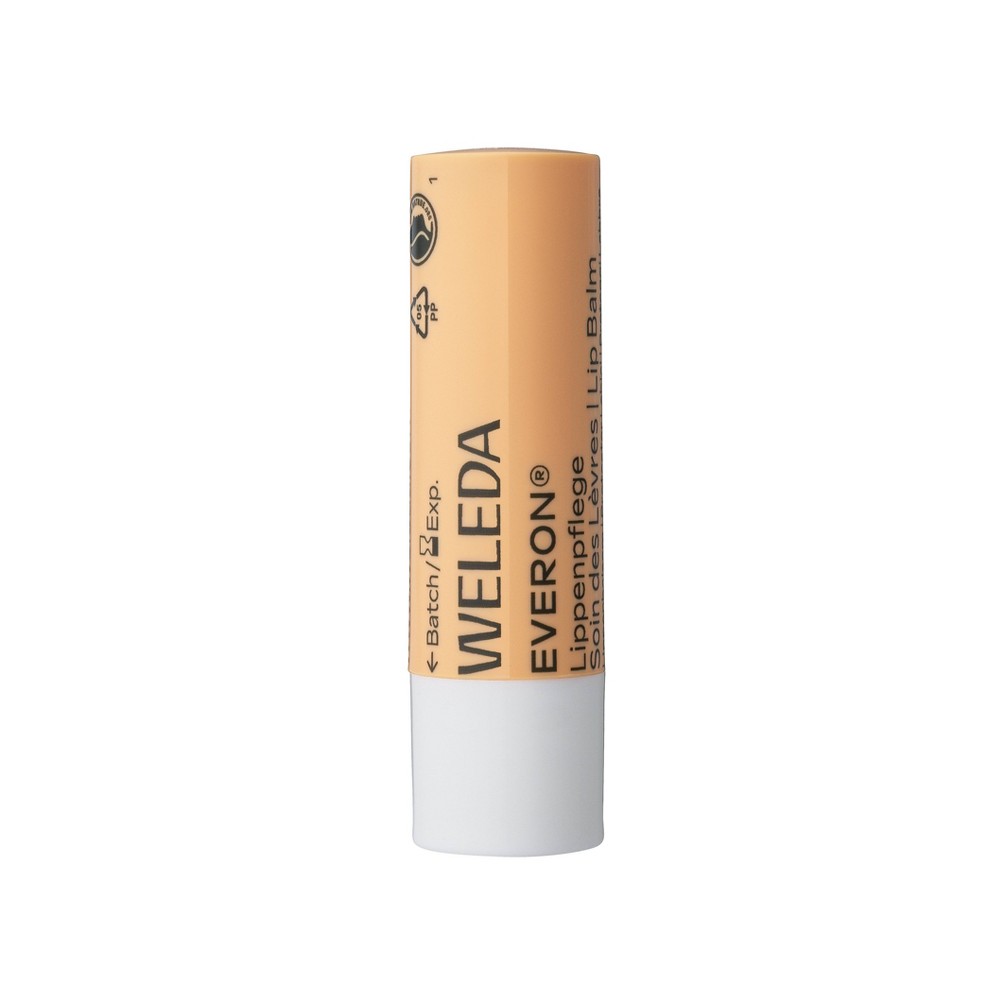
Weleda Everon Lip Balm - 0.17oz: Moisturizing, Nourishing, Paraben-Free, Contains Shea Butter
Analysis updated September 2026 · How Scout scores
At a glance
Summary
This lip balm contains high-quality natural ingredients such as jojoba seed oil, beeswax, and shea butter, which are known for their moisturizing and protective properties. However, the presence of 'fragrance' introduces potential irritation or allergic reactions due to its lack of transparency, which slightly impacts the overall ingredient safety. The product is otherwise minimally processed with a clean label, contributing to its high score.
Key ingredients 14
Jojoba Seed OilVery Good
Jojoba Seed Oil is a natural oil that closely resembles the skin's natural sebum. It is highly moisturizing and helps to balance oil production in the skin.
Risks
There are minimal risks associated with jojoba oil, though rare allergic reactions can occur.
Benefits
It provides excellent moisturizing properties and helps to soothe and protect the skin.
BeeswaxVery Good
Beeswax is a natural wax produced by honey bees and is known for its ability to lock in moisture. It forms a protective barrier on the skin's surface.
Risks
Beeswax is generally safe, but some individuals may experience allergic reactions.
Benefits
It helps to retain moisture and provides a protective barrier against environmental factors.
Shea ButterVery Good
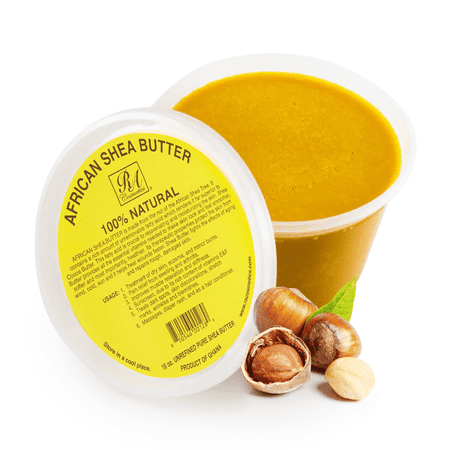
Shea Butter is a natural fat extracted from the nuts of the shea tree. It is rich in vitamins and fatty acids, making it an excellent moisturizer.
Risks
Shea butter is generally safe, but those with nut allergies should exercise caution.
Benefits
It deeply moisturizes and nourishes the skin, providing anti-inflammatory and healing properties.
Candelilla WaxGood
Candelilla Wax is a plant-based wax that is often used as a vegan alternative to beeswax. It provides a glossy finish and helps to bind ingredients together.
Risks
There are no significant risks associated with candelilla wax.
Benefits
It offers a smooth application and helps to stabilize the product's texture.
Carnauba WaxNeutral
Standard formulation ingredient — neither beneficial nor harmful at typical use.
Risks
Carnauba wax is considered safe with no known significant risks.
Benefits
It provides a glossy finish and helps to stabilize the product.
CitronellolNeutral
Citronellol is a natural component of rose and geranium oils, used for its floral scent. It is commonly used in perfumes and cosmetics.
Risks
Citronellol can cause skin irritation or allergic reactions in sensitive individuals.
Benefits
It provides a pleasant floral fragrance and may have insect-repelling properties.
GeraniolNeutral
Geraniol is a naturally occurring monoterpenoid and alcohol found in essential oils. It is used for its rose-like scent.
Risks
Geraniol can cause skin irritation or allergic reactions, particularly in sensitive individuals.
Benefits
It provides a pleasant rose-like fragrance and may have antioxidant properties.
FarnesolNeutral
Farnesol is a natural organic compound used in perfumery for its floral scent. It is found in essential oils such as citronella and rose.
Risks
Farnesol can cause skin irritation or allergic reactions in some individuals.
Benefits
It provides a floral fragrance and may have antimicrobial properties.
LimoneneBad
Processed additive flagged under Scout's ingredient doctrine.
Risks
Limonene can oxidize and cause skin irritation or allergic reactions in some individuals.
Benefits
It provides a fresh citrus scent and may offer antioxidant benefits.
LinaloolBad
Processed additive flagged under Scout's ingredient doctrine.
Risks
Linalool can cause skin irritation or allergic reactions, especially when oxidized.
Benefits
It adds a floral fragrance to products and may have calming effects.
Benzyl AlcoholBad
Processed additive flagged under Scout's ingredient doctrine.
Risks
Benzyl Alcohol can cause skin irritation or allergic reactions in some individuals.
Benefits
It acts as a preservative, extending the shelf life of the product.
CitralBad
Processed additive flagged under Scout's ingredient doctrine.
Risks
Citral can cause skin irritation or allergic reactions in sensitive individuals.
Benefits
It provides a fresh lemon scent and may have antimicrobial properties.
EugenolBad
Processed additive flagged under Scout's ingredient doctrine.
Risks
Eugenol can cause skin irritation or allergic reactions, especially in sensitive individuals.
Benefits
It provides a spicy aroma and may have antiseptic properties.
FragranceVery Bad
Fragrance in cosmetics can be a mixture of various chemicals, some of which may cause irritation or allergic reactions. It is often criticized for its lack of transparency.
Risks
Fragrance can cause skin irritation and allergic reactions in sensitive individuals.
Benefits
It provides a pleasant scent to the product, enhancing user experience.
Get the full breakdown in the Scout appTake Scout shopping
Scan any product to see lab results, healthy alternatives, and your personalized analysis.
Download on theApp Store GET IT ONGoogle PlayAmazon pricing & content
Amazon price as of . Product prices and availability are accurate as of the date/time indicated and are subject to change. Any price and availability information displayed on Amazon.com at the time of purchase will apply to the purchase of this product.
CERTAIN CONTENT THAT APPEARS ON THIS SITE COMES FROM AMAZON. THIS CONTENT IS PROVIDED “AS IS” AND IS SUBJECT TO CHANGE OR REMOVAL AT ANY TIME.