


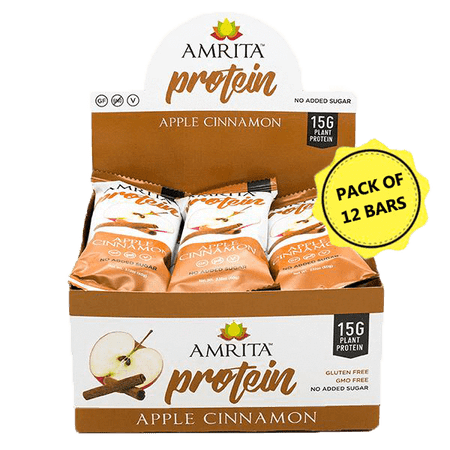


Plant Based Protein Bar
Summary
This plant-based protein bar contains beneficial ingredients like tapioca fiber, cassava, and peanuts, which provide dietary fiber and healthy fats. However, the presence of refined cane sugar contributes to a higher glycemic index and potential health concerns such as obesity and diabetes. The product is moderately processed, which limits its score despite the inclusion of some minimally processed ingredients.
At a glance
Key ingredients 6
Tapioca fiber and cassava blendGood
This blend is a source of dietary fiber, which aids in digestion and promotes satiety. Tapioca and cassava are minimally processed and provide a gluten-free carbohydrate option. They are often used in plant-based products for their neutral taste and texture.
Benefits
Provides dietary fiber that supports digestive health and helps maintain stable blood sugar levels.
Plant fueled protein blendNeutral
This blend includes rice protein and organic pea protein, offering a plant-based protein source. While it provides essential amino acids, plant proteins generally have lower bioavailability compared to animal proteins. The organic certification of pea protein indicates a higher quality standard.
Risks
May not provide as complete an amino acid profile as animal-based proteins.
Benefits
Offers a plant-based protein source suitable for vegetarians and vegans, with organic pea protein contributing to a cleaner ingredient profile.
PeanutsGood
Peanuts are a good source of protein, healthy fats, and various vitamins and minerals. They are minimally processed and provide a natural source of energy. Peanuts also contain antioxidants and are linked to heart health benefits.
Risks
Potential allergen for some individuals, which can cause severe allergic reactions.
Benefits
Rich in monounsaturated fats and protein, supporting heart health and muscle maintenance.
Cane sugarBad
Cane sugar is a refined sugar that can contribute to increased blood sugar levels and caloric intake. It is processed to remove impurities, resulting in a high glycemic index. Excessive consumption of refined sugars is linked to various health issues, including obesity and diabetes.
Risks
High intake of refined sugars can lead to weight gain, insulin resistance, and increased risk of chronic diseases.
Benefits
Provides quick energy but lacks significant nutritional benefits.
RSPO palm oilNeutral
RSPO palm oil is certified to be sustainably sourced, reducing environmental impact. It is used for its stability and texture in food products. While palm oil is high in saturated fats, the RSPO certification ensures better environmental practices.
Risks
High in saturated fats, which can impact heart health if consumed in excess.
Benefits
Provides a stable fat source for cooking and baking, with RSPO certification indicating sustainable sourcing.
Sea saltGood
Sea salt is a minimally processed salt that contains trace minerals beneficial for health. It is used to enhance flavor without the additives found in refined table salt. The presence of minerals like magnesium and potassium can support electrolyte balance.
Benefits
Contains trace minerals that support overall health and provide a natural source of sodium.
Processing
Processed Foods
Get the full breakdown in the Scout app
Scan any product to see lab results, healthy alternatives, and your personalized analysis.
Download on theApp Store