
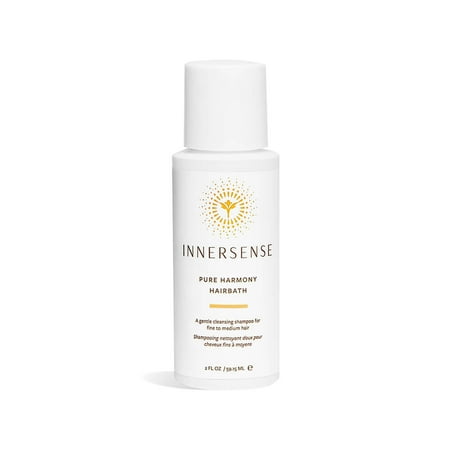


Innersense Pure Harmony Hairbath Shampoo
Analysis updated August 2026 · How Scout scores
At a glance
Summary
This shampoo features a blend of gentle, coconut-derived surfactants like Sodium Cocoyl Isethionate and Caprylyl/Capryl Glucoside, which are known for their mild cleansing properties. It includes beneficial ingredients such as shea butter, avocado oil, and hydrolyzed proteins that nourish and condition the hair. However, the presence of sodium chloride, which can be drying, slightly impacts its overall rating, but the product remains largely clean and effective for hair and scalp health.
Key ingredients 24
Sodium Cocoyl IsethionateVery Good
Sodium Cocoyl Isethionate is a gentle surfactant derived from coconut oil. It is known for its mildness and ability to produce a rich, creamy lather. It is suitable for sensitive skin and hair.
Risks
There are minimal risks associated with this ingredient, making it suitable for most users.
Benefits
It effectively cleanses without stripping natural oils, leaving hair soft and manageable.
Butyrospermum Parkii (Shea Butter)Very Good
Shea Butter is a natural fat extracted from the nuts of the shea tree. It is rich in vitamins and fatty acids, providing deep conditioning and nourishment to the hair. It is highly moisturizing and helps to improve hair elasticity.
Risks
There are minimal risks, though individuals with nut allergies should exercise caution.
Benefits
It deeply conditions and nourishes the hair, improving softness and manageability.
Persea Gratissima (Avocado) OilVery Good
Avocado Oil is rich in vitamins and fatty acids, providing deep nourishment to the hair and scalp. It is known for its moisturizing and conditioning properties. It helps to improve hair strength and elasticity.
Risks
There are minimal risks associated with this ingredient.
Benefits
It deeply nourishes and conditions the hair, improving strength and elasticity.
Persea Gratissima (Avocado) Fruit ExtractVery Good
Avocado Fruit Extract is rich in vitamins and fatty acids, providing nourishment to the hair and scalp. It is known for its moisturizing and conditioning properties. It helps to improve hair strength and elasticity.
Risks
There are minimal risks associated with this ingredient.
Benefits
It nourishes and conditions the hair, improving strength and elasticity.
Cocamidopropyl HydroxysultaineGood
Cocamidopropyl Hydroxysultaine is a mild surfactant derived from coconut oil. It helps to cleanse the hair without stripping natural oils. It is often used in formulations for sensitive skin.
Risks
In rare cases, it may cause irritation in individuals with very sensitive skin.
Benefits
It provides gentle cleansing and helps maintain the hair's natural moisture balance.
Caprylyl/Capryl GlucosideGood
Caprylyl/Capryl Glucoside is a mild, non-ionic surfactant derived from sugar and fatty alcohols. It is used for its gentle cleansing properties and ability to enhance the foaming of formulations. It is biodegradable and environmentally friendly.
Risks
It is generally considered safe with low irritation potential.
Benefits
It provides effective cleansing while being gentle on the skin and hair.
GlycerinGood
Glycerin is a humectant that attracts moisture to the hair and skin. It helps to maintain hydration and improve the texture of hair. It is widely used in cosmetic formulations for its moisturizing properties.
Risks
There are no significant risks associated with glycerin in cosmetic use.
Benefits
It helps to keep hair hydrated and can improve the overall feel and appearance of hair.
Sodium Lauroyl Methyl IsethionateGood
Sodium Lauroyl Methyl Isethionate is a mild surfactant that provides gentle cleansing. It is derived from coconut oil and is known for its ability to produce a creamy lather. It is suitable for sensitive skin and hair.
Risks
It is generally considered safe with low irritation potential.
Benefits
It cleanses effectively while maintaining the hair's natural moisture balance.
Citrus Aurantium Dulcis (Orange) Peel OilGood
Orange Peel Oil is derived from the peel of oranges and is known for its refreshing scent. It has antimicrobial properties and can help to cleanse the scalp. It is often used for its aromatic benefits.
Risks
In rare cases, it may cause irritation in individuals with sensitive skin.
Benefits
It provides a refreshing scent and can help to cleanse and invigorate the scalp.
Citrus Medica Limonum (Lemon) Peel OilGood
Lemon Peel Oil is extracted from the peel of lemons and is known for its fresh, citrus scent. It has astringent and antimicrobial properties, which can help to cleanse the scalp. It is often used for its aromatic and cleansing benefits.
Risks
It may cause photosensitivity, so caution is advised with sun exposure.
Benefits
It provides a fresh scent and helps to cleanse and purify the scalp.
Eucalyptus Globulus (Eucalyptus)Good
Eucalyptus oil is known for its refreshing and invigorating scent. It has antimicrobial properties and can help to soothe the scalp. It is often used for its aromatic benefits and ability to promote a healthy scalp environment.
Risks
In rare cases, it may cause irritation in individuals with sensitive skin.
Benefits
It provides a refreshing scent and can help to soothe and invigorate the scalp.
Cucurbita Pepo (Pumpkin Seed Oil)Good
Pumpkin Seed Oil is rich in vitamins and fatty acids, providing nourishment to the hair and scalp. It is known for its moisturizing and conditioning properties. It can help to improve hair strength and elasticity.
Risks
There are minimal risks associated with this ingredient.
Benefits
It nourishes and conditions the hair, improving strength and elasticity.
Hydroxypropyltrimonium HoneyGood
Hydroxypropyltrimonium Honey is a derivative of honey that provides conditioning benefits. It helps to retain moisture in the hair and improve manageability. It is known for its ability to enhance shine and softness.
Risks
There are minimal risks associated with this ingredient.
Benefits
It conditions and moisturizes the hair, enhancing shine and softness.
Hydrolyzed QuinoaGood
Hydrolyzed Quinoa is a protein derived from quinoa that helps to strengthen and protect the hair. It is known for its ability to enhance hair elasticity and reduce breakage. It provides nourishment and improves hair texture.
Risks
There are minimal risks associated with this ingredient.
Benefits
It strengthens and protects the hair, improving elasticity and reducing breakage.
Hydrolyzed Rice ProteinGood
Hydrolyzed Rice Protein is a protein derived from rice that helps to strengthen and protect the hair. It is known for its ability to improve hair volume and manageability. It provides nourishment and enhances hair texture.
Risks
There are minimal risks associated with this ingredient.
Benefits
It strengthens and protects the hair, improving volume and manageability.
Guar Hydroxypropyltrimonium ChlorideGood
Guar Hydroxypropyltrimonium Chloride is a conditioning agent derived from guar gum. It helps to improve hair manageability and reduce static. It is known for its ability to enhance hair softness and smoothness.
Risks
There are minimal risks associated with this ingredient.
Benefits
It conditions the hair, improving manageability and reducing static.
Oryza Sativa (Rice) Bran OilGood
Rice Bran Oil is rich in antioxidants and fatty acids, providing nourishment to the hair and scalp. It is known for its moisturizing and conditioning properties. It helps to improve hair texture and manageability.
Risks
There are minimal risks associated with this ingredient.
Benefits
It nourishes and conditions the hair, improving texture and manageability.
Camellia Sinensis (Green Tea) Leaf ExtractGood
Green Tea Leaf Extract is rich in antioxidants and has anti-inflammatory properties. It helps to protect the hair and scalp from environmental damage. It is known for its soothing and calming effects.
Risks
There are minimal risks associated with this ingredient.
Benefits
It protects and soothes the hair and scalp, providing antioxidant benefits.
Cucumis Sativus (Cucumber) Fruit ExtractGood
Cucumber Fruit Extract is known for its hydrating and soothing properties. It helps to refresh and revitalize the hair and scalp. It is often used for its cooling and calming effects.
Risks
There are minimal risks associated with this ingredient.
Benefits
It hydrates and soothes the hair and scalp, providing a refreshing effect.
Mangifera Indica (Mango) Fruit ExtractGood
Mango Fruit Extract is rich in vitamins and antioxidants, providing nourishment to the hair and scalp. It is known for its moisturizing and conditioning properties. It helps to improve hair texture and manageability.
Risks
There are minimal risks associated with this ingredient.
Benefits
It nourishes and conditions the hair, improving texture and manageability.
Water/Aqua/EAUNeutral
Water is a universal solvent and is used as a base in many cosmetic formulations. It helps to dissolve other ingredients and provides a medium for them to function. It is generally considered safe and non-reactive.
Risks
There are no known risks associated with water in cosmetic formulations.
Benefits
Water hydrates and helps distribute other ingredients evenly throughout the hair.
Sodium ChlorideNeutral
Standard formulation ingredient — neither beneficial nor harmful at typical use.
Risks
It can cause dryness and irritation, particularly for those with sensitive scalps.
Benefits
It helps to thicken the product, improving its texture and application.
Trisodium Ethylenediamine DisuccinateNeutral
Trisodium Ethylenediamine Disuccinate is a chelating agent that helps to bind metal ions and prevent them from affecting the stability of the product. It is used to enhance the effectiveness of preservatives. It is generally considered safe for use in cosmetics.
Risks
There are no significant risks associated with this ingredient.
Benefits
It helps to stabilize the product and enhance the effectiveness of preservatives.
Sodium BenzoateBad
Synthetic preservative that can form benzene in the presence of vitamin C.
Risks
In rare cases, it may cause irritation in individuals with sensitive skin.
Benefits
It helps to preserve the product and prevent microbial contamination.
Get the full breakdown in the Scout appTake Scout shopping
Scan any product to see lab results, healthy alternatives, and your personalized analysis.
Download on theApp Store GET IT ONGoogle PlayAmazon pricing & content
Amazon price as of . Product prices and availability are accurate as of the date/time indicated and are subject to change. Any price and availability information displayed on Amazon.com at the time of purchase will apply to the purchase of this product.
CERTAIN CONTENT THAT APPEARS ON THIS SITE COMES FROM AMAZON. THIS CONTENT IS PROVIDED “AS IS” AND IS SUBJECT TO CHANGE OR REMOVAL AT ANY TIME.