

At a glance
Summary
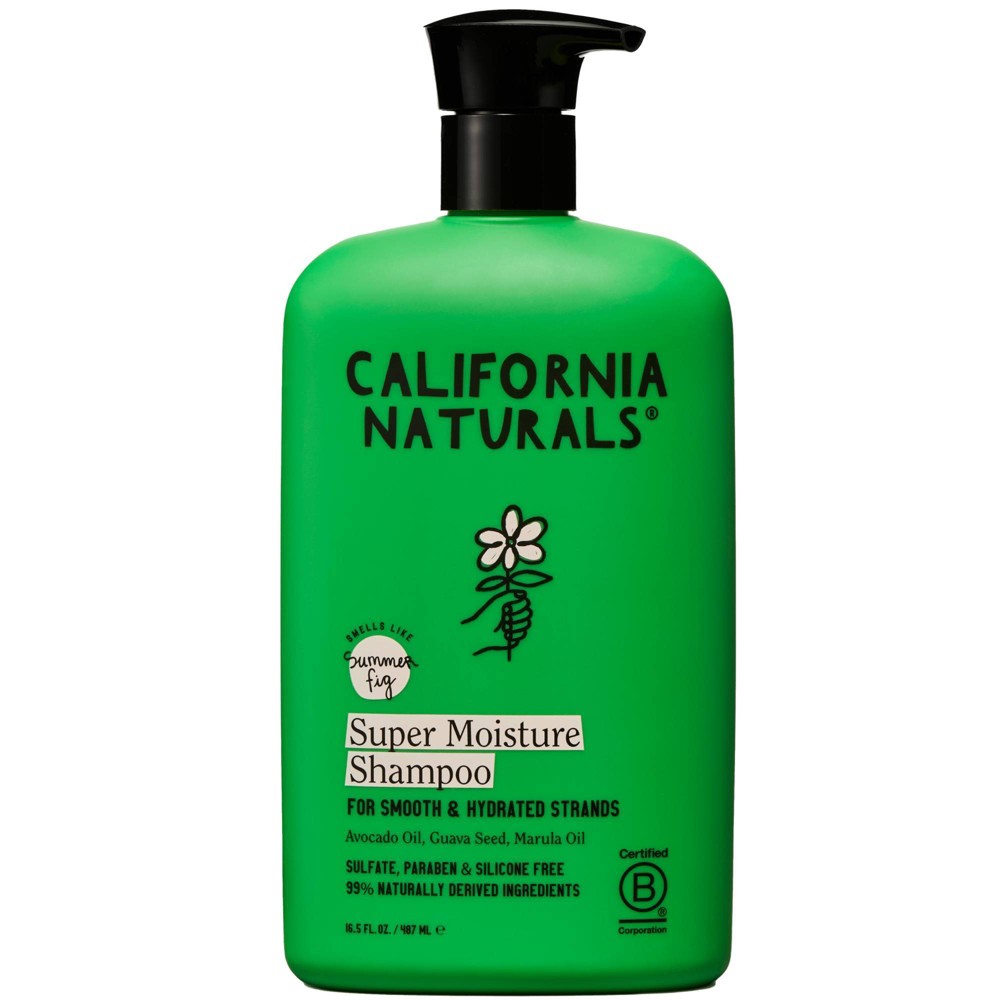
This shampoo contains beneficial ingredients such as Sodium Cocoyl Isethionate, a gentle coconut-derived surfactant, and Betaine, which helps maintain moisture balance. The absence of harsh sulfates, silicones, and parabens contributes to its favorable rating, making it a clean option for hair care with minimal processing concerns.
Key ingredients 8
Sodium Cocoyl IsethionateVery Good
Sodium Cocoyl Isethionate is a gentle surfactant derived from coconut oil. It effectively cleanses the hair without stripping natural oils. It is well-tolerated by most skin types.
Risks
There are minimal risks associated with this ingredient.
Benefits
It provides gentle cleansing and is suitable for sensitive scalps.
Ascorbic AcidGood
Ascorbic Acid, also known as Vitamin C, is an antioxidant that can help protect hair from oxidative stress. It may also aid in maintaining hair color and health. However, its effectiveness in topical applications can vary.
Risks
In high concentrations, it may cause irritation to sensitive scalps.
Benefits
It provides antioxidant protection and may improve hair health.
BetaineGood
Betaine is a natural osmolyte that helps to maintain moisture balance in hair and skin. It is known for its conditioning properties and ability to reduce irritation from surfactants.
Risks
There are minimal risks associated with betaine.
Benefits
It provides moisture retention and conditioning benefits.
Sodium GluconateNeutral
Sodium Gluconate is a chelating agent that helps to bind metal ions, preventing them from affecting the stability and appearance of the product. It is generally considered safe and non-irritating.
Risks
There are no significant risks associated with sodium gluconate in hair care products.
Benefits
It helps to stabilize the product and improve its shelf life.
Citric AcidNeutral
Citric Acid is used to adjust the pH of hair care products, ensuring they are not too alkaline. It can also provide mild exfoliation to the scalp. However, it does not have significant conditioning properties.
Risks
In high concentrations, it may cause irritation to sensitive skin.
Benefits
It helps maintain the product's pH balance and can mildly exfoliate the scalp.
Xanthan GumNeutral
Xanthan Gum is a thickening agent that helps to stabilize and improve the texture of hair care products. It is generally considered safe and non-irritating.
Risks
There are no significant risks associated with xanthan gum in hair care products.
Benefits
It improves product texture and stability.
GlucoseBad
Processed additive flagged under Scout's ingredient doctrine.
Risks
There are no significant risks associated with glucose in hair care products.
Benefits
It can help to maintain moisture levels in the hair.
Disodium EDTABad
Processed additive flagged under Scout's ingredient doctrine.
Risks
There are concerns about its environmental impact as it is not biodegradable.
Benefits
It enhances product stability and prevents metal ion interference.
Processing
Ultra-Processed Foods
Get the full breakdown in the Scout appTake Scout shopping
Scan any product to see lab results, healthy alternatives, and your personalized analysis.
Download on theApp Store GET IT ONGoogle Play