
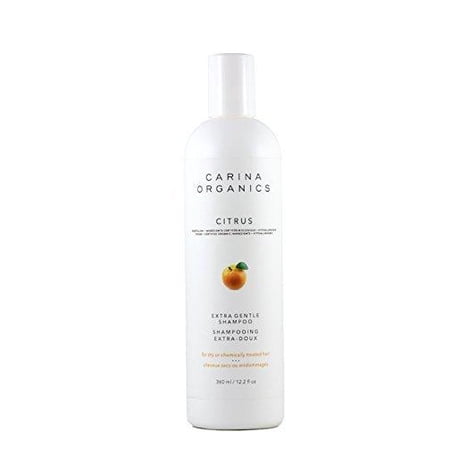


carina organics citrus extra gentle shampoo by carina organics
At a glance
Summary
This shampoo features a clean formulation with gentle, natural surfactants like capryl glucoside and potassium cocoate, which are derived from coconut oil and known for their mild cleansing properties. It is free from harsh chemicals such as sulfates, silicones, and parabens, and includes beneficial ingredients like olive oil, chamomile extract, and nettle extract that nourish and protect the hair and scalp. The minimal processing and absence of synthetic additives contribute to its high rating for ingredient safety and hair health impact.
Key ingredients 20
Capryl GlucosideVery Good
Capryl Glucoside is a mild, non-ionic surfactant derived from coconut oil and glucose. It is known for its gentle cleansing properties, making it suitable for sensitive skin. It helps to remove dirt and oil without stripping the hair of its natural oils.
Risks
There are minimal risks associated with Capryl Glucoside, though some individuals may experience mild irritation.
Benefits
Provides gentle cleansing, making it ideal for sensitive skin and hair types.
Olea europaea fruit oilVery Good
Olea europaea fruit oil, or olive oil, is rich in fatty acids and antioxidants. It deeply conditions the hair, adding shine and softness. It is also known for its ability to strengthen hair and reduce breakage.
Risks
May weigh down very fine hair if used in excess.
Benefits
Deeply conditions and strengthens hair, enhancing shine and softness.
Linum Usitatissimum Seed OilVery Good
Linum Usitatissimum Seed Oil, or flaxseed oil, is rich in omega-3 fatty acids. It deeply conditions the hair, adding shine and reducing frizz. It is also known for its ability to strengthen hair and improve elasticity.
Risks
May weigh down very fine hair if used in excess.
Benefits
Deeply conditions and strengthens hair, enhancing shine and reducing frizz.
Cucurbita pepo seed oilVery Good
Cucurbita pepo seed oil, or pumpkin seed oil, is rich in vitamins and fatty acids. It nourishes the hair and scalp, promoting overall hair health. It is also known for its ability to strengthen hair and reduce hair loss.
Risks
May weigh down very fine hair if used in excess.
Benefits
Nourishes and strengthens hair, promoting overall hair health.
Helianthus Annuus Seed OilVery Good
Helianthus Annuus Seed Oil, or sunflower seed oil, is rich in vitamins and fatty acids. It helps to condition the hair, adding shine and softness. It is also known for its ability to protect hair from environmental damage.
Risks
May weigh down very fine hair if used in excess.
Benefits
Conditions and protects hair, enhancing shine and softness.
Persea Gratissima OilVery Good
Persea Gratissima Oil, or avocado oil, is rich in vitamins and fatty acids. It deeply conditions the hair, adding shine and reducing frizz. It is also known for its ability to strengthen hair and improve elasticity.
Risks
May weigh down very fine hair if used in excess.
Benefits
Deeply conditions and strengthens hair, enhancing shine and reducing frizz.
Potassium CocoateGood
Potassium Cocoate is a natural soap derived from coconut oil. It acts as a surfactant, helping to cleanse the hair by breaking down oils and dirt. It is considered a gentle alternative to harsher sulfates.
Risks
May cause mild irritation in some individuals with very sensitive skin.
Benefits
Offers a natural and gentle cleansing action, suitable for most hair types.
GlycerinGood
Glycerin is a humectant that attracts moisture to the hair and scalp. It helps to maintain hydration, preventing dryness and frizz. It is widely used in hair care for its moisturizing properties.
Risks
In very humid conditions, glycerin may draw too much moisture, potentially causing frizz.
Benefits
Enhances moisture retention, keeping hair hydrated and smooth.
Pinus elliotti extractGood
Pinus elliotti extract is derived from pine trees and is known for its antioxidant properties. It helps to protect the hair and scalp from environmental damage. It may also provide a soothing effect on the scalp.
Risks
Rarely, it may cause allergic reactions in sensitive individuals.
Benefits
Offers antioxidant protection and may soothe the scalp.
Pinus banksiana extractGood
Pinus banksiana extract, like other pine extracts, is rich in antioxidants. It helps to protect hair from oxidative stress and environmental pollutants. It may also contribute to a healthy scalp environment.
Risks
Potential for mild allergic reactions in sensitive individuals.
Benefits
Provides antioxidant benefits and supports scalp health.
Matricaria chamomilla flower extractGood
Matricaria chamomilla flower extract, commonly known as chamomile, is known for its soothing and anti-inflammatory properties. It can help calm an irritated scalp and add natural highlights to the hair. It is a gentle ingredient suitable for sensitive skin.
Risks
Rare allergic reactions may occur in individuals sensitive to chamomile.
Benefits
Soothes the scalp and may enhance natural hair highlights.
Urtica dioca leaf extractGood
Urtica dioca leaf extract, or nettle extract, is known for its ability to stimulate hair growth and improve scalp health. It is rich in vitamins and minerals that nourish the hair. It may also help to reduce dandruff and scalp irritation.
Risks
May cause mild irritation in sensitive individuals.
Benefits
Promotes hair growth and improves scalp health.
Taraxacum officinale leaf extractGood
Taraxacum officinale leaf extract, or dandelion extract, is rich in vitamins and minerals. It helps to nourish the scalp and may improve hair health. It is also known for its antioxidant properties.
Risks
Generally safe, but may cause mild irritation in sensitive individuals.
Benefits
Nourishes the scalp and provides antioxidant protection.
Trifolium pratense flower extractGood
Trifolium pratense flower extract, or red clover extract, is known for its anti-inflammatory and antioxidant properties. It helps to soothe the scalp and may promote hair health. It is often used in hair care for its nourishing benefits.
Risks
Rare allergic reactions may occur in sensitive individuals.
Benefits
Soothes the scalp and supports overall hair health.
Citrus Tangerina OilGood
Citrus Tangerina Oil, or tangerine oil, is known for its refreshing scent and potential antimicrobial properties. It can help to cleanse the scalp and add a pleasant fragrance to the product. It may also contribute to a healthy scalp environment.
Risks
May cause photosensitivity if exposed to sunlight immediately after application.
Benefits
Provides a refreshing scent and may support scalp health.
Pyrus malus extractGood
Pyrus malus extract, or apple extract, is rich in vitamins and antioxidants. It helps to nourish the hair and scalp, promoting overall hair health. It may also add a natural shine to the hair.
Risks
Generally safe, but may cause mild irritation in sensitive individuals.
Benefits
Nourishes the hair and scalp, enhancing shine and health.
Ananas sativus extractGood
Ananas sativus extract, or pineapple extract, contains enzymes that can help to gently exfoliate the scalp. It is rich in vitamins and antioxidants, supporting overall scalp health. It may also add a pleasant scent to the product.
Risks
May cause mild irritation in sensitive individuals.
Benefits
Exfoliates the scalp and supports overall scalp health.
Filtered AquaNeutral
Filtered Aqua is simply water that has been purified to remove impurities. It serves as the base for the formulation, ensuring other ingredients are evenly distributed. It does not have any direct benefits or risks associated with its use.
Risks
There are no known risks associated with filtered water in cosmetic formulations.
Benefits
Provides a solvent for other ingredients, ensuring they are properly dissolved and effective.
Magnesium ChlorideNeutral
Magnesium Chloride is a mineral salt that can help to stabilize formulations. It may also contribute to the overall health of the scalp by providing essential minerals. However, its direct benefits in hair care are limited.
Risks
Generally safe, but excessive use may lead to dryness.
Benefits
Helps stabilize the formulation and may support scalp health.
Cyamopsis tetragonoloba gumNeutral
Cyamopsis tetragonoloba gum, or guar gum, is used as a thickening agent in formulations. It helps to improve the texture and consistency of the product. It does not have any direct benefits or risks associated with its use.
Risks
Generally safe, but excessive use may lead to product buildup.
Benefits
Improves product texture and consistency.
Get the full breakdown in the Scout appTake Scout shopping
Scan any product to see lab results, healthy alternatives, and your personalized analysis.
Download on theApp Store GET IT ONGoogle PlayAmazon pricing & content
Amazon price as of . Product prices and availability are accurate as of the date/time indicated and are subject to change. Any price and availability information displayed on Amazon.com at the time of purchase will apply to the purchase of this product.
CERTAIN CONTENT THAT APPEARS ON THIS SITE COMES FROM AMAZON. THIS CONTENT IS PROVIDED “AS IS” AND IS SUBJECT TO CHANGE OR REMOVAL AT ANY TIME.