
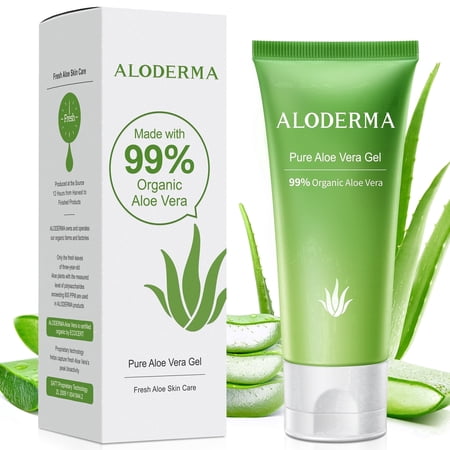


Aloderma 99% Organic Aloe Vera Gel Bottled within 12 Hours of Harvest (114g 4.0 oz) No Sticky Residue - No Powder Concentrates or Water Added - Eco-Friendly
Analysis updated June 2026 · How Scout scores
At a glance
Summary
This aloe vera gel contains a high concentration of Aloe Barbadensis Leaf Juice, which is beneficial for its soothing and hydrating properties. However, the presence of synthetic ingredients like Disodium EDTA and Carbomer, which are used for stability and texture, slightly detracts from its overall natural profile. The product is moderately processed, with a few synthetic additives, but it avoids harsh chemicals and fragrances.
Key ingredients 6
Aloe Barbadensis Leaf JuiceVery Good
Aloe Barbadensis Leaf Juice is a natural botanical extract known for its soothing and hydrating properties. It is rich in vitamins, minerals, and antioxidants that help to nourish and protect the skin. Its anti-inflammatory properties make it beneficial for calming irritated skin.
Risks
There are minimal risks associated with Aloe Vera, though some individuals may experience allergic reactions.
Benefits
Aloe Vera is highly beneficial for moisturizing the skin and promoting healing, especially for sunburns and minor cuts.
CarbomerNeutral
Carbomer is a synthetic polymer used to thicken and stabilize cosmetic formulations. It helps to create a smooth and consistent texture in gels and creams. While it is generally considered safe, it is an inert ingredient with no active skin benefits.
Risks
Carbomer is generally safe, but in rare cases, it may cause mild skin irritation.
Benefits
It provides a desirable texture and consistency to cosmetic products, enhancing user experience.
1, 2-HexanediolNeutral
1, 2-Hexanediol is a synthetic preservative and moisture-binding agent used in cosmetics. It helps to prevent microbial growth, extending the shelf life of products. It is considered safe for use in cosmetics at low concentrations.
Risks
There is a low risk of skin irritation, particularly for sensitive skin types.
Benefits
It acts as a humectant, helping to retain moisture in the skin, and ensures product safety by preventing microbial contamination.
HydroxyacetophenoneNeutral
Hydroxyacetophenone is an antioxidant and preservative booster used in cosmetic formulations. It helps to stabilize products and enhance the efficacy of other preservatives. It is generally regarded as safe for use in cosmetics.
Risks
There is a minimal risk of skin irritation, though it is uncommon.
Benefits
It provides antioxidant benefits, helping to protect the skin from environmental damage.
Tetrahydroxypropyl EthylenediamineNeutral
Tetrahydroxypropyl Ethylenediamine is a chelating agent used to improve the stability and efficacy of cosmetic formulations. It binds metal ions, preventing them from affecting the product's performance. It is considered safe for use in cosmetics.
Risks
There is a low risk of skin irritation, particularly for sensitive individuals.
Benefits
It enhances the stability of cosmetic products, ensuring consistent performance over time.
Disodium EDTABad
Disodium EDTA is a chelating agent used to improve the stability and shelf life of cosmetic products. It binds metal ions, preventing them from causing product degradation. However, it is a synthetic ingredient with potential environmental concerns.
Risks
There are concerns about its environmental impact, as it is not readily biodegradable and can accumulate in water systems.
Benefits
It helps to maintain product stability and efficacy by preventing metal ion interference.
Get the full breakdown in the Scout appTake Scout shopping
Scan any product to see lab results, healthy alternatives, and your personalized analysis.
Download on theApp Store GET IT ONGoogle Play