
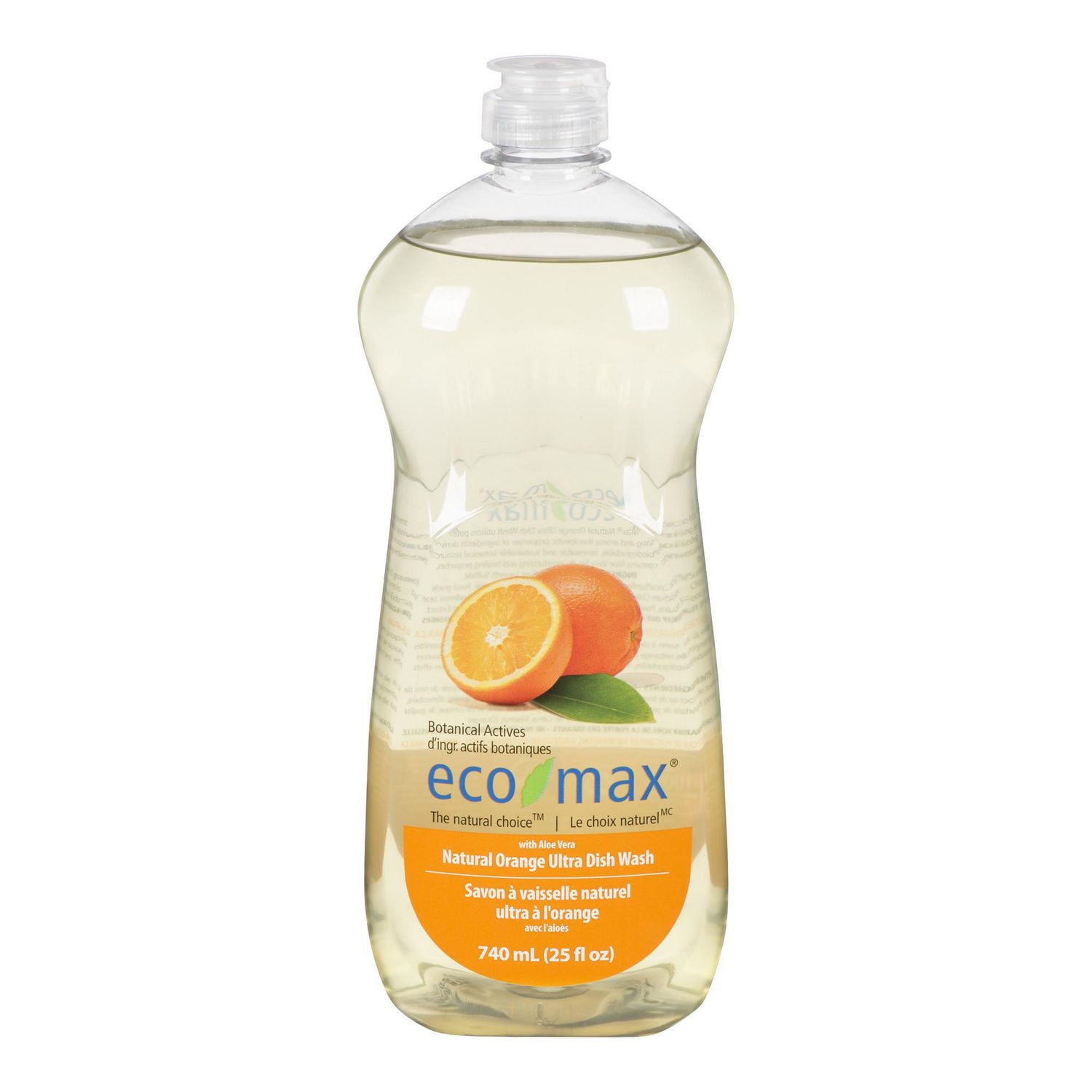

Eco-Max Natural Orange Ultra Dish Wash740ml 740 Ml
Analysis updated July 2026 · How Scout scores
At a glance
Summary
This dish soap contains beneficial ingredients like decyl glucoside and natural orange essential oil, which are plant-derived and biodegradable, contributing to its mildness and environmental friendliness. However, the presence of sodium laureth sulfate, which carries a risk of contamination with 1,4-dioxane, detracts from its overall safety profile. The product is processed, which further impacts its rating, despite the inclusion of some gentle and natural components.
Key ingredients 8
Coco/Sunfloweramidopropyl BetaineGood
This surfactant derived from natural oils helps create foam and cleans effectively while being gentle on skin.
Decyl GlucosideGood
Decyl Glucoside is a mild, plant-based surfactant that effectively cleans without harsh chemicals, making it suitable for sensitive skin.
See more about Decyl Glucoside →Food Grade Sodium ChlorideGood
Commonly known as table salt, it helps stabilize the formula and enhances cleaning performance without harmful effects.
Food Grade Potassium SorbateGood
Potassium Sorbate is a preservative that prevents microbial growth, ensuring the product remains safe and effective over time.
Aloe BarbadensisGood
Aloe is known for its soothing and moisturizing properties, helping to reduce skin irritation during use.
Natural Orange Essential OilGood
Orange essential oil provides a natural, fresh scent and has mild antimicrobial properties, enhancing the user experience.
WaterNeutral
Water is the base of the formulation — inert.
See more about Water →Sodium Laureth SulfateBad
Sodium Laureth Sulfate is a surfactant that can cause skin irritation and is often scrutinized for its potential to be harsh on skin and the environment.
See more about Sodium Laureth Sulfate →Processing
Processed Foods
Get the full breakdown in the Scout appTake Scout shopping
Scan any product to see lab results, healthy alternatives, and your personalized analysis.
Download on theApp Store GET IT ONGoogle PlayAmazon pricing & content
Amazon price as of . Product prices and availability are accurate as of the date/time indicated and are subject to change. Any price and availability information displayed on Amazon.com at the time of purchase will apply to the purchase of this product.
CERTAIN CONTENT THAT APPEARS ON THIS SITE COMES FROM AMAZON. THIS CONTENT IS PROVIDED “AS IS” AND IS SUBJECT TO CHANGE OR REMOVAL AT ANY TIME.