


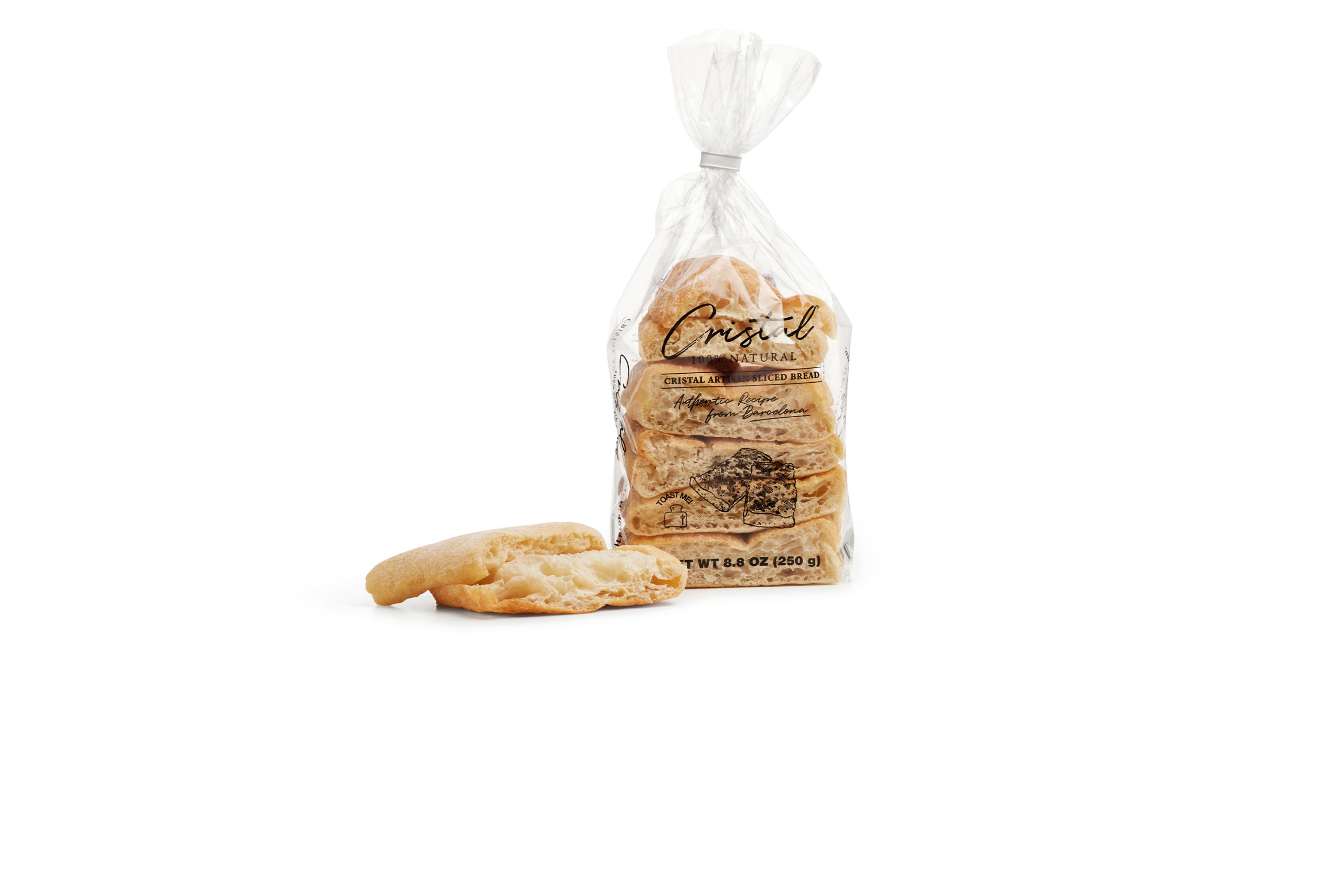


GreenLite Classic Artisan Bread Gluten Free
Analysis updated September 2026 · How Scout scores
At a glance
Summary
This gluten-free artisan bread is moderately processed, which affects its overall health rating. While it avoids harmful ingredients like high fructose corn syrup and artificial additives, it lacks the nutritional benefits found in whole grain breads, such as higher fiber and protein content. The presence of refined ingredients and a relatively high carbohydrate content contribute to its moderate score.
Key ingredients 16
WaterNeutral
Essential for hydration and dough formation with no nutritional downsides.
See more about Water →Potato StarchNeutral
A common gluten-free starch used to provide structure and texture in baking.
See more about Potato Starch →Modified Tapioca StarchNeutral
A processed form of tapioca starch used to improve texture and moisture retention in gluten-free products.
See more about Modified Tapioca Starch →Modified Potato StarchNeutral
Processed starch used to enhance the binding and texture of gluten-free bread.
See more about Modified Potato Starch →Soy FlourNeutral
Provides protein and structure, though it is a common allergen derived from soy.
See more about Soy Flour →YastNeutral
Natural leavening agent used to help the bread rise.
Tapioca StarchNeutral
Naturally gluten-free starch derived from cassava root used for texture.
See more about Tapioca Starch →SaltNeutral
Standard culinary salt used for flavor enhancement and preservation.
See more about Salt →Xanthan GumNeutral
A common food additive used as a binder and thickener to mimic the elasticity of gluten.
See more about Xanthan Gum →Corn StarchNeutral
Starch derived from corn used to add structure and crumb softness.
See more about Corn Starch →Cellulose FibersNeutral
Plant-based fiber additive used to increase dietary fiber content and improve texture.
Guar GumNeutral
A plant-derived gum used to improve moisture retention and texture in gluten-free baking.
See more about Guar Gum →Baking SodaNeutral
A leavening agent used to help the bread rise and achieve a lighter texture.
See more about Baking Soda →Lactic AcidNeutral
Used as a preservative and to adjust acidity for flavor balance.
See more about Lactic Acid →SugarBad
Refined added sugar.
See more about Sugar →Soybean OilVery Bad
A heavily processed seed oil high in omega-6 fatty acids, which can be inflammatory when consumed in excess.
See more about Soybean Oil →Get the full breakdown in the Scout appTake Scout shopping
Scan any product to see lab results, healthy alternatives, and your personalized analysis.
Download on theApp Store GET IT ONGoogle PlayAmazon pricing & content
Amazon price as of . Product prices and availability are accurate as of the date/time indicated and are subject to change. Any price and availability information displayed on Amazon.com at the time of purchase will apply to the purchase of this product.
CERTAIN CONTENT THAT APPEARS ON THIS SITE COMES FROM AMAZON. THIS CONTENT IS PROVIDED “AS IS” AND IS SUBJECT TO CHANGE OR REMOVAL AT ANY TIME.