
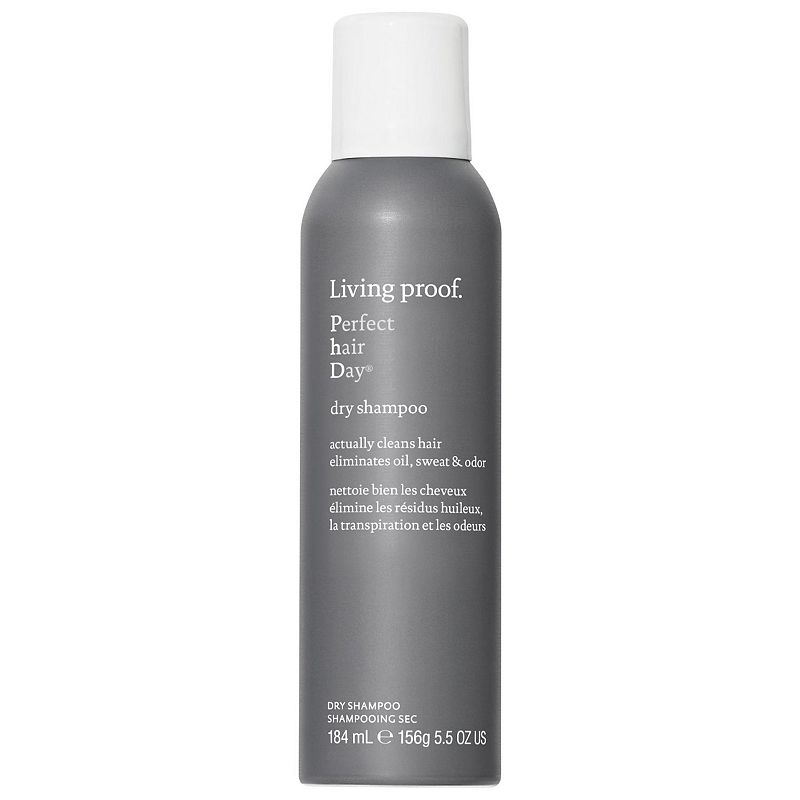


Living Proof Perfect Hair Day Dry Shampoo 1.8 oz
Analysis updated August 2026 · How Scout scores
At a glance
Summary
This dry shampoo contains beneficial ingredients like rice starch and citrus oils, which help absorb oil and provide a pleasant scent. However, the presence of denatured alcohol can cause dryness and irritation, and the inclusion of synthetic fragrance raises concerns due to potential irritation and lack of transparency. The product's formulation reflects a moderate level of processing with both beneficial and concerning elements.
Key ingredients 38
Oryza Sativa (Rice) StarchGood
Rice starch is used for its oil-absorbing properties. It helps to absorb excess oil from the scalp, leaving hair looking fresh. It is a natural ingredient that is gentle on the scalp.
Risks
There are minimal risks associated with rice starch, though it may cause buildup if not washed out properly.
Benefits
It effectively absorbs oil and adds volume to the hair.
Citrus Limon (Lemon) Peel OilGood
Lemon peel oil is used for its fragrance and potential antimicrobial properties. It provides a fresh scent and may help to cleanse the scalp. It is a natural ingredient that is generally considered safe.
Risks
It may cause photosensitivity if exposed to sunlight after application.
Benefits
It provides a refreshing scent and potential antimicrobial benefits.
Citrus Aurantium Bergamia (Bergamot) Peel OilGood
Bergamot peel oil is used for its fragrance and potential antimicrobial properties. It provides a pleasant scent and may help to cleanse the scalp. It is a natural ingredient that is generally considered safe.
Risks
It may cause photosensitivity if exposed to sunlight after application.
Benefits
It provides a refreshing scent and potential antimicrobial benefits.
Citrus Aurantium Peel OilGood
Citrus aurantium peel oil is used for its fragrance and potential antimicrobial properties. It provides a fresh scent and may help to cleanse the scalp. It is a natural ingredient that is generally considered safe.
Risks
It may cause photosensitivity if exposed to sunlight after application.
Benefits
It provides a refreshing scent and potential antimicrobial benefits.
Hydrofluorocarbon 152aNeutral
Hydrofluorocarbon 152a is a propellant used in aerosol products. It helps to dispense the product evenly. It is generally considered safe for use in cosmetics.
Risks
There are environmental concerns regarding its contribution to greenhouse gases.
Benefits
It provides effective product delivery without affecting the formulation.
IsobutaneNeutral
Isobutane is a common propellant in aerosol products. It helps to expel the product from the can. It is generally recognized as safe for use in cosmetics.
Risks
Inhalation in large amounts can be harmful, and it is flammable.
Benefits
It aids in the smooth application of the product.
PropaneNeutral
Propane is used as a propellant in aerosol products. It helps to dispense the product from the can. It is considered safe for use in cosmetics when used as directed.
Risks
It is flammable and can be harmful if inhaled in large quantities.
Benefits
It ensures even distribution of the product.
HydroxypropylcelluloseNeutral
Hydroxypropylcellulose is a thickening agent and film former. It helps to stabilize the formulation and improve texture. It is generally considered safe for use in cosmetics.
Risks
There are minimal risks, though it may cause buildup if not washed out properly.
Benefits
It enhances the texture and stability of the product.
Microcrystalline CelluloseNeutral
Microcrystalline cellulose is used as a bulking agent and absorbent. It helps to improve the texture and absorb excess oil. It is a natural ingredient that is safe for use in cosmetics.
Risks
There are minimal risks associated with its use.
Benefits
It aids in oil absorption and improves product texture.
Dipropylene GlycolNeutral
Dipropylene glycol is used as a solvent and humectant. It helps to dissolve other ingredients and retain moisture. It is considered safe for use in cosmetics.
Risks
There are minimal risks, though it may cause irritation in sensitive individuals.
Benefits
It helps to maintain moisture balance in the product.
Caprylyl GlycolNeutral
Standard formulation ingredient — neither beneficial nor harmful at typical use.
Risks
There are minimal risks associated with its use.
Benefits
It provides moisturizing benefits and enhances product texture.
Disteardimonium HectoriteNeutral
Disteardimonium hectorite is used as a thickening agent. It helps to stabilize emulsions and improve product texture. It is considered safe for use in cosmetics.
Risks
There are minimal risks associated with its use.
Benefits
It enhances the stability and texture of the product.
Pentylene GlycolNeutral
Standard formulation ingredient — neither beneficial nor harmful at typical use.
Risks
There are minimal risks associated with its use.
Benefits
It provides moisturizing benefits and enhances product spreadability.
PropanediolNeutral
Propanediol is used as a solvent and humectant. It helps to dissolve other ingredients and retain moisture. It is considered safe for use in cosmetics.
Risks
There are minimal risks, though it may cause irritation in sensitive individuals.
Benefits
It helps to maintain moisture balance in the product.
Citronellyl MethylcrotonateNeutral
Citronellyl methylcrotonate is used as a fragrance ingredient. It provides a pleasant scent to the product. It is considered safe for use in cosmetics.
Risks
There are minimal risks, though it may cause irritation in sensitive individuals.
Benefits
It enhances the fragrance profile of the product.
CelluloseNeutral
Cellulose is used as a thickening agent and absorbent. It helps to improve the texture and absorb excess oil. It is a natural ingredient that is safe for use in cosmetics.
Risks
There are minimal risks associated with its use.
Benefits
It aids in oil absorption and improves product texture.
Water/Eau/AquaNeutral
Water is used as a solvent in cosmetic formulations. It helps to dissolve other ingredients and provides a base for the product. It is essential for the formulation of most cosmetic products.
Risks
There are no significant risks associated with water in cosmetics.
Benefits
It acts as a solvent and provides hydration.
Furcellaria Lumbricalis ExtractNeutral
Furcellaria lumbricalis extract is derived from red algae. It is used for its thickening and stabilizing properties. It is considered safe for use in cosmetics.
Risks
There are minimal risks associated with its use.
Benefits
It enhances the texture and stability of the product.
ZeoliteNeutral
Zeolite is used as an absorbent and deodorizer. It helps to absorb excess oil and neutralize odors. It is considered safe for use in cosmetics.
Risks
There are minimal risks associated with its use.
Benefits
It effectively absorbs oil and neutralizes odors.
EthylcelluloseNeutral
Ethylcellulose is used as a thickening agent and film former. It helps to stabilize the formulation and improve texture. It is considered safe for use in cosmetics.
Risks
There are minimal risks, though it may cause buildup if not washed out properly.
Benefits
It enhances the texture and stability of the product.
C12-15 Alketh-2Neutral
C12-15 alketh-2 is used as a surfactant and emulsifier. It helps to mix oil and water-based ingredients. It is considered safe for use in cosmetics.
Risks
There are minimal risks associated with its use.
Benefits
It aids in the emulsification and stability of the product.
EthylhexylglycerinNeutral
Ethylhexylglycerin is used as a preservative and skin conditioning agent. It helps to enhance the efficacy of preservatives and provides moisturizing benefits. It is considered safe for use in cosmetics.
Risks
There are minimal risks associated with its use.
Benefits
It enhances preservation and provides moisturizing benefits.
AnetholeNeutral
Anethole is used as a fragrance ingredient. It provides a sweet, licorice-like scent to the product. It is considered safe for use in cosmetics.
Risks
There are minimal risks, though it may cause irritation in sensitive individuals.
Benefits
It enhances the fragrance profile of the product.
Rose KetonesNeutral
Rose ketones are used as fragrance ingredients. They provide a floral scent to the product. They are considered safe for use in cosmetics.
Risks
There are minimal risks, though they may cause irritation in sensitive individuals.
Benefits
They enhance the fragrance profile of the product.
CitronellolNeutral
Citronellol is used as a fragrance ingredient. It provides a floral, rose-like scent to the product. It is considered safe for use in cosmetics.
Risks
It may cause irritation or allergic reactions in sensitive individuals.
Benefits
It enhances the fragrance profile of the product.
Hexyl CinnamalNeutral
Hexyl cinnamal is used as a fragrance ingredient. It provides a jasmine-like scent to the product. It is considered safe for use in cosmetics.
Risks
It may cause irritation or allergic reactions in sensitive individuals.
Benefits
It enhances the fragrance profile of the product.
Linalyl AcetateNeutral
Linalyl acetate is used as a fragrance ingredient. It provides a floral, lavender-like scent to the product. It is considered safe for use in cosmetics.
Risks
It may cause irritation or allergic reactions in sensitive individuals.
Benefits
It enhances the fragrance profile of the product.
Amyl SalicylateNeutral
Amyl salicylate is used as a fragrance ingredient. It provides a floral, sweet scent to the product. It is considered safe for use in cosmetics.
Risks
It may cause irritation or allergic reactions in sensitive individuals.
Benefits
It enhances the fragrance profile of the product.
Benzyl SalicylateNeutral
Benzyl salicylate is used as a fragrance ingredient. It provides a floral scent to the product. It is considered safe for use in cosmetics.
Risks
It may cause irritation or allergic reactions in sensitive individuals.
Benefits
It enhances the fragrance profile of the product.
Geranyl AcetateNeutral
Geranyl acetate is used as a fragrance ingredient. It provides a floral, rose-like scent to the product. It is considered safe for use in cosmetics.
Risks
It may cause irritation or allergic reactions in sensitive individuals.
Benefits
It enhances the fragrance profile of the product.
Tetramethyl AcetyloctahydronaphthalenesNeutral
Tetramethyl acetyloctahydronaphthalenes are used as fragrance ingredients. They provide a musky scent to the product. They are considered safe for use in cosmetics.
Risks
They may cause irritation or allergic reactions in sensitive individuals.
Benefits
They enhance the fragrance profile of the product.
Cetrimonium ChlorideBad
Processed additive flagged under Scout's ingredient doctrine.
Risks
It may cause irritation in some individuals if used in high concentrations.
Benefits
It enhances hair smoothness and reduces static.
CitralBad
Processed additive flagged under Scout's ingredient doctrine.
Risks
It may cause irritation or allergic reactions in sensitive individuals.
Benefits
It enhances the fragrance profile of the product.
LimoneneBad
Processed additive flagged under Scout's ingredient doctrine.
Risks
It may cause irritation or allergic reactions in sensitive individuals.
Benefits
It enhances the fragrance profile of the product.
LinaloolBad
Processed additive flagged under Scout's ingredient doctrine.
Risks
It may cause irritation or allergic reactions in sensitive individuals.
Benefits
It enhances the fragrance profile of the product.
PineneBad
Processed additive flagged under Scout's ingredient doctrine.
Risks
It may cause irritation or allergic reactions in sensitive individuals.
Benefits
It enhances the fragrance profile of the product.
Alcohol Denat.Very Bad
Alcohol Denat. is a denatured alcohol used as a solvent and drying agent. It can cause dryness and irritation to the scalp and hair. It is often used to help other ingredients penetrate the skin.
Risks
It can strip natural oils from the hair, leading to dryness and potential irritation.
Benefits
It helps in quick drying of the product and enhances the penetration of active ingredients.
Fragrance/ParfumVery Bad
Fragrance is used to provide a pleasant scent to the product. It can contain a mixture of various chemicals, some of which may cause irritation. It is often criticized for its lack of transparency in ingredient disclosure.
Risks
It may cause allergic reactions or irritation in sensitive individuals.
Benefits
It enhances the sensory experience of the product.
Get the full breakdown in the Scout appTake Scout shopping
Scan any product to see lab results, healthy alternatives, and your personalized analysis.
Download on theApp Store GET IT ONGoogle PlayAmazon pricing & content
Amazon price as of . Product prices and availability are accurate as of the date/time indicated and are subject to change. Any price and availability information displayed on Amazon.com at the time of purchase will apply to the purchase of this product.
CERTAIN CONTENT THAT APPEARS ON THIS SITE COMES FROM AMAZON. THIS CONTENT IS PROVIDED “AS IS” AND IS SUBJECT TO CHANGE OR REMOVAL AT ANY TIME.