
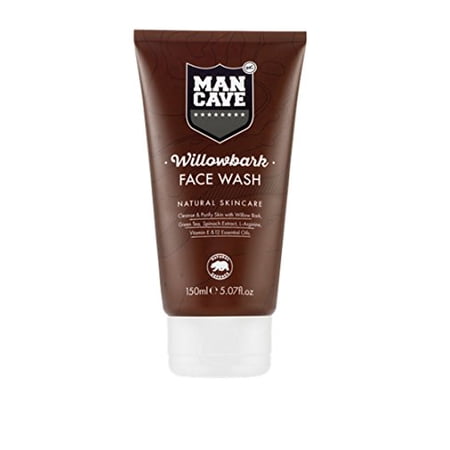
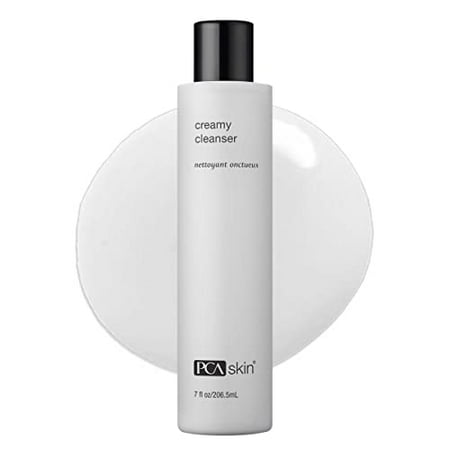
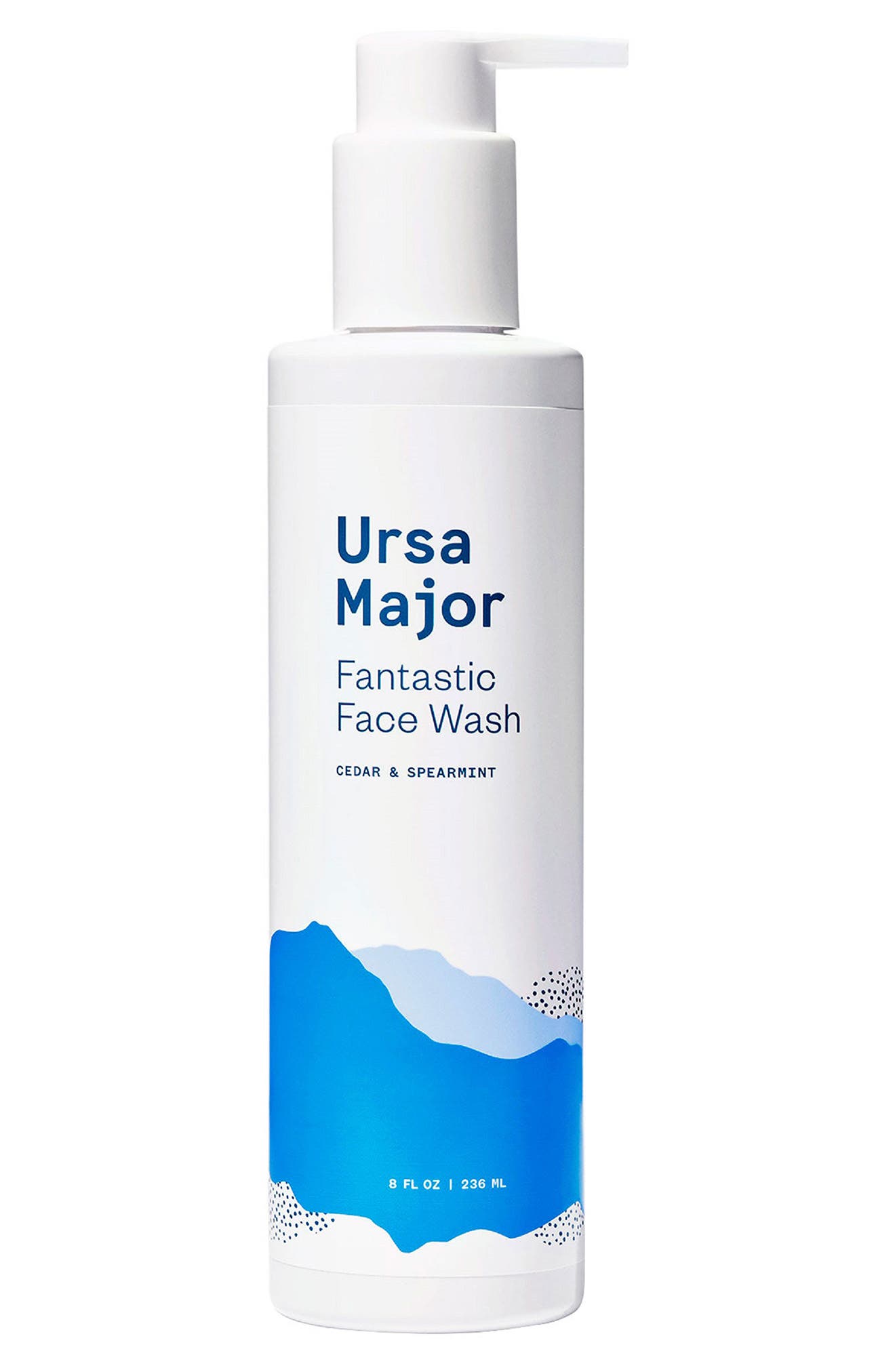
ManCave Willowbark Face Wash, 4.2 oz
Summary
This face wash contains a mix of natural and synthetic ingredients. It includes beneficial components like willow bark, green tea, and spinach extract, which are known for their skin-soothing and antioxidant properties. However, the presence of phenoxyethanol, a synthetic preservative, and the overall processing level slightly reduce its score. The product avoids harsh surfactants and major endocrine disruptors, which is a positive aspect.
At a glance
Key ingredients 14
Aqua
Aqua, or water, is the most common solvent used in cosmetics. It acts as a base for the formulation, helping to dissolve other ingredients. It is essential for the consistency and application of the product.
Risks
There are no significant risks associated with water in cosmetics.
Benefits
Water hydrates the skin and helps in the even distribution of other active ingredients.
Glycerin
Glycerin is a humectant that attracts moisture to the skin. It helps to maintain the skin's hydration levels. It is widely used in skincare for its moisturizing properties.
Risks
Glycerin is generally safe, but in rare cases, it can cause irritation if used in high concentrations.
Benefits
It helps to keep the skin soft and supple by drawing moisture from the air into the skin.
Cocamidopropyl Betaine
Cocamidopropyl Betaine is a mild surfactant derived from coconut oil. It helps to create foam and cleanse the skin without stripping natural oils. It is often used in formulations for sensitive skin.
Risks
It can cause skin irritation or allergic reactions in some individuals.
Benefits
It provides gentle cleansing and is less irritating than harsher surfactants like SLS.
Lauryl Glucoside
Lauryl Glucoside is a non-ionic surfactant used for its mild cleansing properties. It is derived from natural sources like coconut oil and glucose. It is suitable for sensitive skin formulations.
Risks
It is generally considered safe, but may cause mild irritation in sensitive individuals.
Benefits
It is biodegradable and provides gentle cleansing without disrupting the skin barrier.
Sodium Cocoamphoacetate
Sodium Cocoamphoacetate is a mild surfactant and foam booster. It is derived from coconut oil and is used to enhance the cleansing properties of formulations. It is suitable for sensitive skin due to its gentle nature.
Risks
It is generally safe, but can cause mild irritation in some cases.
Benefits
It helps to create a rich lather and improves the overall cleansing efficacy of the product.
Sodium Chloride
Sodium Chloride, or table salt, is used to thicken the consistency of cosmetic products. It helps to stabilize the formulation and improve texture. It is a common ingredient in many personal care products.
Risks
In high concentrations, it can be drying to the skin.
Benefits
It helps to improve the viscosity and stability of the product.
Phenoxyethanol
Phenoxyethanol is a preservative used to prevent microbial growth in cosmetics. It is effective against a broad spectrum of bacteria and fungi. It is often used as an alternative to parabens.
Risks
It can cause skin irritation and allergic reactions in some individuals.
Benefits
It helps to extend the shelf life of the product by preventing contamination.
Coco-Glucoside
Coco-Glucoside is a mild, non-ionic surfactant derived from coconut oil and glucose. It is used for its gentle cleansing and foaming properties. It is suitable for sensitive skin formulations.
Risks
It is generally safe, but may cause mild irritation in sensitive individuals.
Benefits
It is biodegradable and provides gentle cleansing without disrupting the skin barrier.
Willow Bark
Willow Bark is a natural extract known for its anti-inflammatory and exfoliating properties. It contains salicin, which is a precursor to salicylic acid. It is used to help clear pores and reduce acne.
Risks
It can cause irritation or allergic reactions in sensitive skin.
Benefits
It helps to exfoliate the skin and reduce inflammation, making it beneficial for acne-prone skin.
Green Tea
Green Tea extract is rich in antioxidants and has anti-inflammatory properties. It helps to protect the skin from environmental damage. It is commonly used in skincare for its soothing and anti-aging benefits.
Risks
It is generally safe, but can cause irritation in very sensitive skin.
Benefits
It helps to reduce redness and irritation while providing antioxidant protection.
Spinach Extract
Spinach Extract is rich in vitamins and antioxidants. It helps to nourish and protect the skin from oxidative stress. It is used in skincare for its hydrating and revitalizing properties.
Risks
It is generally safe, but may cause irritation in very sensitive skin.
Benefits
It provides essential nutrients and antioxidants that help to maintain healthy skin.
L-Arginine
L-Arginine is an amino acid that helps to improve skin hydration and elasticity. It is used in skincare for its moisturizing and anti-aging benefits. It supports the skin's natural repair processes.
Risks
It is generally safe, but can cause irritation in sensitive individuals.
Benefits
It helps to improve skin texture and reduce the appearance of fine lines.
Vitamin E
Vitamin E is a powerful antioxidant that helps to protect the skin from free radical damage. It is used in skincare for its moisturizing and healing properties. It supports skin barrier function and reduces inflammation.
Risks
It is generally safe, but can cause irritation in very sensitive skin.
Benefits
It helps to nourish and protect the skin, promoting a healthy complexion.
Essential Oils
Essential Oils are concentrated plant extracts used for their fragrance and therapeutic properties. They can provide various benefits depending on the type of oil used. They are often used in skincare for their aromatic and skin-soothing effects.
Risks
They can cause irritation or allergic reactions, especially in sensitive skin.
Benefits
They can provide calming and soothing effects, enhancing the sensory experience of the product.
Processing
Processed Foods
Get the full breakdown in the Scout app
Scan any product to see lab results, healthy alternatives, and your personalized analysis.
Download on theApp Store