


At a glance
Summary
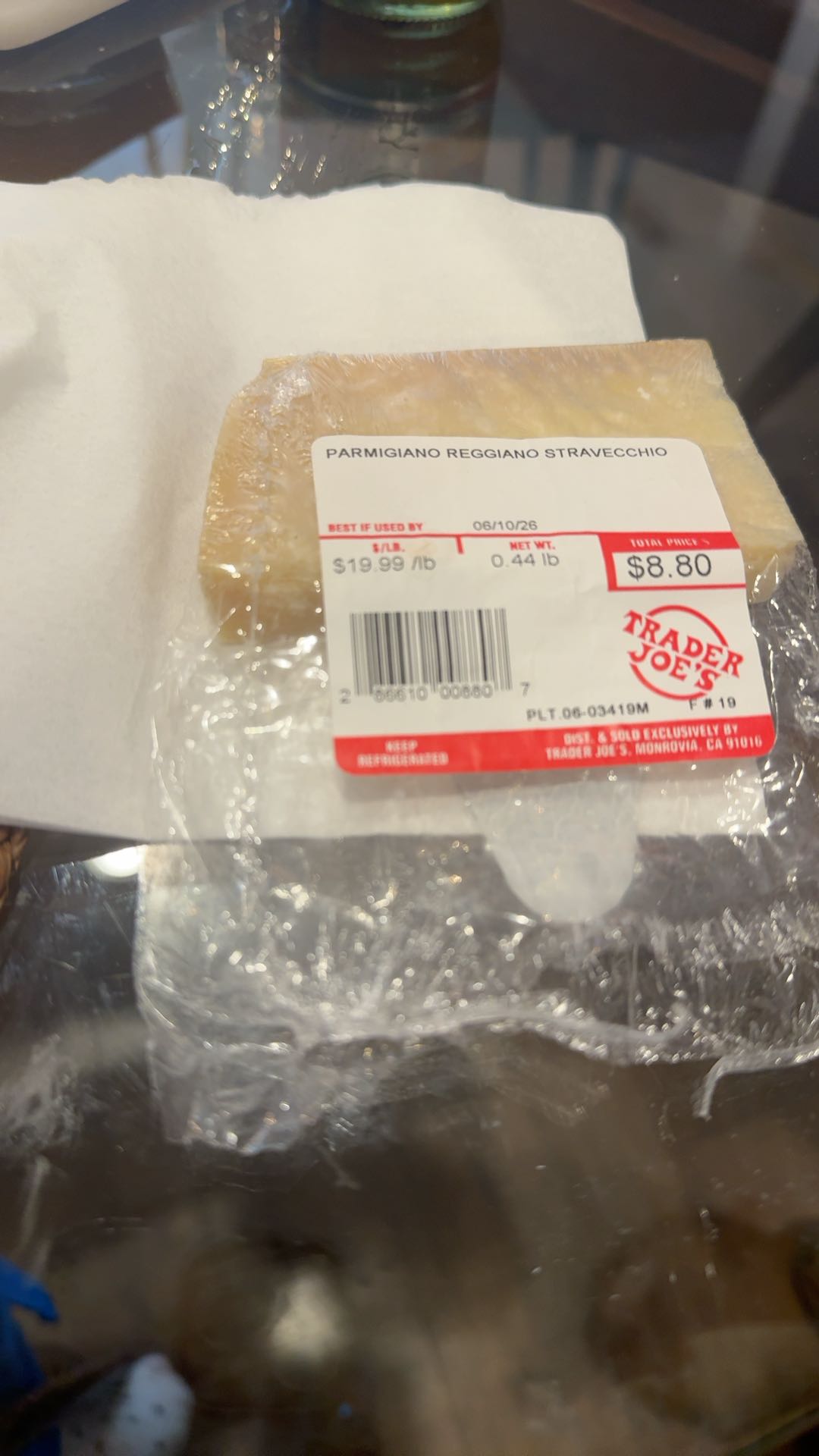
This cheese is made from unpasteurized cow's milk, which retains natural enzymes and beneficial bacteria, enhancing its nutritional profile and flavor. The ingredient list is clean, consisting of traditional cheese-making components like milk, rennet, salt, and starter culture. Despite being processed, the absence of harmful additives and the use of high-quality ingredients justify a high score within the processing level cap.
Key ingredients 5
Unpasteurized cow's milkGood
Unpasteurized cow's milk is a high-quality source of protein and essential nutrients. It retains more natural enzymes and beneficial bacteria compared to pasteurized milk. The use of unpasteurized milk can enhance the flavor and nutritional profile of cheese.
Risks
There is a risk of bacterial contamination if not handled properly, which can lead to foodborne illnesses.
Benefits
Rich in protein, calcium, and other essential nutrients that support bone health and muscle function.
RennetGood
Beneficial ingredient — whole-food or functional value in this product class.
Benefits
Facilitates the cheese-making process by curdling milk, essential for texture and flavor development.
Fat 48+Neutral
Fat 48+ indicates the fat content in the cheese, which is typical for Gouda. It provides a creamy texture and rich flavor. The fat content is balanced by the protein and calcium content in cheese.
Risks
High saturated fat intake can contribute to cardiovascular issues if consumed in excess.
Benefits
Provides energy and supports the absorption of fat-soluble vitamins.
SaltNeutral
Salt is used in cheese for flavor and as a preservative. It helps control moisture and inhibits the growth of undesirable bacteria. The amount used is typically balanced to enhance taste without overwhelming the product.
Risks
Excessive salt intake can lead to hypertension and cardiovascular issues.
Benefits
Enhances flavor and acts as a natural preservative in cheese.
Starter cultureNeutral
Starter cultures are beneficial bacteria used to initiate the fermentation process in cheese. They contribute to the development of flavor and texture. The use of starter cultures is a traditional practice in cheese-making.
Benefits
Promotes fermentation, enhancing flavor and potentially providing probiotic benefits.
Processing
Processed Foods
Get the full breakdown in the Scout appTake Scout shopping
Scan any product to see lab results, healthy alternatives, and your personalized analysis.
Download on theApp Store GET IT ONGoogle Play