
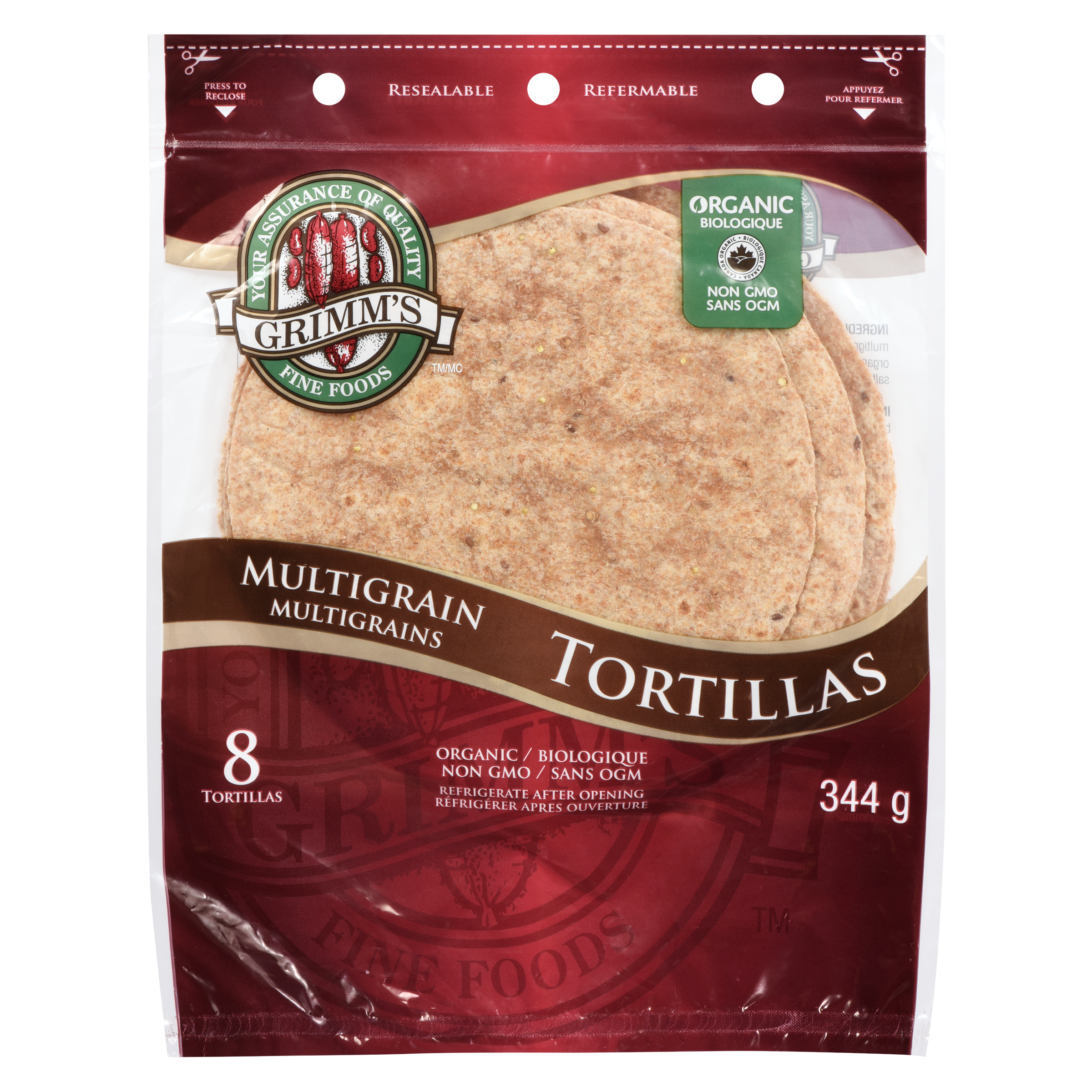


At a glance
Summary
This product is heavily processed, containing multiple additives such as emulsifiers and stabilizers, which contribute to its ultra-processed nature. While it includes some beneficial ingredients like flax seeds and oat flakes, the presence of sunflower oil and natural flavors detracts from its overall healthiness. The combination of these factors results in a moderate score, reflecting both the positive and negative aspects of its composition.
Key ingredients 15
Brown and yellow flax seedsGood
Flax seeds are a rich source of omega-3 fatty acids and dietary fiber. They support heart health and aid in digestion. The seeds are minimally processed, retaining their nutritional benefits.
Risks
Excessive consumption may lead to digestive discomfort due to high fiber content.
Benefits
Rich in omega-3 fatty acids and lignans, which have anti-inflammatory and antioxidant properties.
Millet seedsGood
Millet seeds are a nutritious grain alternative, providing essential minerals and vitamins. They are gluten-free and suitable for those with gluten sensitivities. The seeds are whole, preserving their nutrient content.
Benefits
High in magnesium and phosphorus, supporting bone health and energy production.
Oat flakesGood
Oat flakes are a whole grain ingredient rich in soluble fiber. They help lower cholesterol levels and improve heart health. The minimal processing retains their beneficial nutrients.
Risks
May contain gluten if not certified gluten-free.
Benefits
Rich in beta-glucans, which support heart health and provide sustained energy.
Vegetable fibersGood
Vegetable fibers add bulk and improve digestive health. They are minimally processed and retain their natural benefits. Fiber intake is essential for maintaining a healthy digestive system.
Benefits
Supports digestive health and helps maintain regular bowel movements.
Wheat flakesNeutral
Wheat flakes provide texture and additional fiber to the product. They are less processed than refined flour but still contain gluten. Whole grain options offer more nutritional benefits.
Risks
May cause allergic reactions in individuals with gluten intolerance or celiac disease.
Benefits
Provides dietary fiber but lacks significant nutritional benefits compared to whole grain options.
WaterNeutral
Water is used as a solvent and to provide moisture in the product. It is essential for mixing and baking processes. Water itself does not contribute any nutritional value.
See more about Water →GlycerineNeutral
Glycerine is used as a humectant to retain moisture in the product. It is generally recognized as safe for consumption. It does not provide nutritional benefits but improves texture and shelf life.
Risks
Excessive consumption may cause digestive discomfort.
Malic acidNeutral
Malic acid is used as an acidity regulator and flavor enhancer. It is naturally found in fruits and is generally recognized as safe. It does not provide nutritional benefits but improves taste.
See more about Malic acid →Fermented wheat flourNeutral
Fermented wheat flour can improve digestibility and flavor. The fermentation process may reduce gluten content slightly. It still contains gluten, which may be a concern for sensitive individuals.
Risks
May cause allergic reactions in individuals with gluten intolerance or celiac disease.
Benefits
Fermentation can enhance flavor and improve nutrient absorption.
SaltNeutral
Salt is used to enhance flavor and act as a preservative. It is essential in small amounts but excessive intake can lead to health issues. The product contains a moderate amount of salt.
Risks
Excessive consumption may lead to high blood pressure and cardiovascular issues.
Benefits
Enhances flavor and acts as a preservative.
Sodium bicarbonateNeutral
Sodium bicarbonate is a leavening agent that helps dough rise. It is commonly used in baking and is generally recognized as safe. It does not provide nutritional benefits but is essential for texture.
See more about Sodium bicarbonate →Wheat flourBad
Refined grain flour stripped of bran and germ.
Risks
May cause allergic reactions in individuals with gluten intolerance or celiac disease.
Benefits
Provides carbohydrates for energy but lacks significant nutritional benefits compared to whole grain options.
Mono- and diglycerides of fatty acidsBad
These emulsifiers are used to improve texture and extend shelf life. They are often derived from partially hydrogenated oils, which may contain trans fats. Healthier alternatives include natural emulsifiers like lecithin.
Risks
May contain trans fats, which are linked to heart disease.
Natural flavorBad
Natural flavor is a catch-all term that can include a variety of substances. It lacks transparency and may contain additives. Healthier products use whole ingredients for flavor.
Risks
Lack of transparency may hide unwanted additives or allergens.
Sunflower oilVery Bad
Sunflower oil is a seed oil high in omega-6 fatty acids, which can promote inflammation. It is often refined, which may involve chemical processing. Healthier alternatives include oils high in monounsaturated fats.
Risks
High omega-6 content may promote inflammation when consumed in excess.
Processing
Ultra-Processed Foods
Get the full breakdown in the Scout appTake Scout shopping
Scan any product to see lab results, healthy alternatives, and your personalized analysis.
Download on theApp Store GET IT ONGoogle Play