
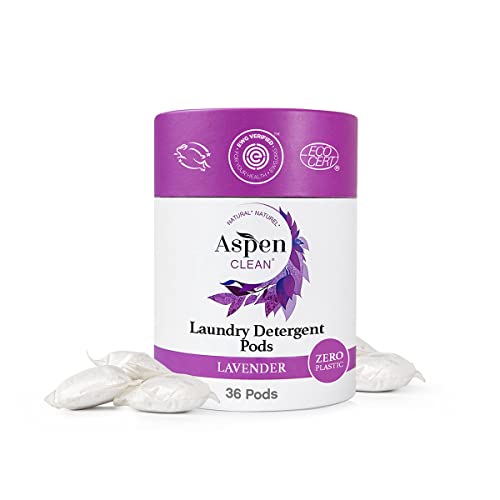
Lavender Laundry Pods by AspenClean, 36 Count, Zero Plastic, Natural Plant-Derived & Vegan, Sensitive Skin, Hypoallergenic Laundry Detergent - Safe for Babies, Pets & Kids, EWG Verified & A Rated
Analysis updated July 2026 · How Scout scores
At a glance
Summary
This product features a predominantly plant-derived and biodegradable ingredient list, including mild surfactants and enzymes that enhance cleaning power without harsh chemicals. The use of essential oils for fragrance and the absence of harmful surfactants like SLS or SLES contribute positively to its safety profile. However, the presence of polyvinyl alcohol polymer, which is not biodegradable, slightly detracts from its environmental impact.
Key ingredients 18
Sodium Carbonate PeroxideGood
Sodium carbonate peroxide is an oxygen-based bleaching agent that is effective in stain removal. It breaks down into water, oxygen, and soda ash, making it environmentally friendly. It is a safer alternative to chlorine bleach.
Risks
Can cause irritation to skin and eyes if not handled properly.
Benefits
Environmentally friendly bleaching agent that effectively removes stains.
Sodium Oleate (Vegetables derived)Good
Sodium oleate is a plant-derived surfactant that helps to emulsify and remove dirt and oils. It is biodegradable and considered safe for use in cleaning products. It is effective in breaking down grease and oils.
Risks
Minimal risks, generally considered safe and non-toxic.
Benefits
Biodegradable surfactant that effectively removes dirt and oils.
Decyl Glucoside (Coconut, Palm Kernel Oil derived)Good
Decyl glucoside is a mild, plant-derived surfactant that is effective in cleaning without being harsh on the skin. It is biodegradable and considered safe for sensitive skin. It is a preferred alternative to harsher surfactants like SLS.
Risks
Minimal risks, generally considered safe and non-irritating.
Benefits
Mild, biodegradable surfactant suitable for sensitive skin.
Protease (Enzyme)Good
Protease is an enzyme that breaks down protein-based stains, making it effective in laundry detergents. It is biodegradable and enhances the cleaning power of the product. It is safe for use in household cleaning products.
Risks
Minimal risks, generally considered safe and non-toxic.
Benefits
Biodegradable enzyme that effectively removes protein-based stains.
Alpha-Amylase (Enzyme)Good
Alpha-amylase is an enzyme that breaks down starch-based stains, enhancing the cleaning power of detergents. It is biodegradable and safe for use in household products. It is effective in removing food stains.
Risks
Minimal risks, generally considered safe and non-toxic.
Benefits
Biodegradable enzyme that effectively removes starch-based stains.
Cocos Nucifera (Coconut) OilGood
Coconut oil is used as a natural moisturizer and surfactant in cleaning products. It is biodegradable and safe for use on sensitive skin. It helps to condition fabrics and reduce static.
Risks
Minimal risks, generally considered safe and non-toxic.
Benefits
Natural moisturizer and surfactant that conditions fabrics.
Mannanase (Enzyme)Good
Mannanase is an enzyme that breaks down mannan-based stains, such as those from food thickeners. It is biodegradable and enhances the cleaning power of detergents. It is safe for use in household cleaning products.
Risks
Minimal risks, generally considered safe and non-toxic.
Benefits
Biodegradable enzyme that effectively removes mannan-based stains.
Cellulase (Enzyme)Good
Cellulase is an enzyme that breaks down cellulose-based stains, such as those from plant materials. It is biodegradable and enhances the cleaning power of detergents. It is safe for use in household cleaning products.
Risks
Minimal risks, generally considered safe and non-toxic.
Benefits
Biodegradable enzyme that effectively removes cellulose-based stains.
Lavandula Angustifolia (Lavender) Oil (Linalool)Good
Lavender oil is used for its natural fragrance and antibacterial properties in cleaning products. It is biodegradable and considered safe for use in household products. It provides a pleasant scent and mild antibacterial action.
Risks
Potential allergen for sensitive individuals.
Benefits
Natural fragrance and antibacterial properties enhance product appeal.
Cymbopogon Flexuosus (Lemongrass) Oil (Citral)Good
Lemongrass oil is used for its natural fragrance and antibacterial properties in cleaning products. It is biodegradable and considered safe for use in household products. It provides a refreshing scent and mild antibacterial action.
Risks
Potential allergen for sensitive individuals.
Benefits
Natural fragrance and antibacterial properties enhance product appeal.
Sodium CarbonateNeutral
Sodium carbonate is a common cleaning agent used to soften water and enhance detergent effectiveness. It is generally considered safe for use in cleaning products. However, it can be irritating to the skin and eyes in concentrated forms.
Risks
Potential skin and eye irritation if used in high concentrations.
Benefits
Helps to soften water and improve the cleaning power of detergents.
Sodium CitrateNeutral
Standard formulation ingredient — neither beneficial nor harmful at typical use.
Risks
Minimal risks, generally considered safe and non-toxic.
Benefits
Biodegradable and enhances detergent effectiveness by softening water.
Sodium SulfateNeutral
Sodium sulfate is used as a filler in detergents to help distribute the active ingredients evenly. It is generally considered safe and non-toxic. However, it does not contribute to the cleaning power of the product.
Risks
Minimal risks, considered safe for use in cleaning products.
Benefits
Helps to evenly distribute active ingredients in the detergent.
Sodium Chloride (Salt)Neutral
Sodium chloride is commonly used as a thickening agent in cleaning products. It is non-toxic and safe for use in household products. However, it does not contribute to the cleaning efficacy.
Risks
Minimal risks, considered safe and non-toxic.
Benefits
Used as a thickening agent, safe for household use.
WaterNeutral
Water is used as a solvent in cleaning products to dissolve other ingredients and facilitate their application. It is non-toxic and safe for use. However, it does not contribute to the cleaning power directly.
Benefits
Acts as a solvent to dissolve and distribute other ingredients.
Hydrated SilicaNeutral
Hydrated silica is used as an abrasive agent in cleaning products to help remove dirt and stains. It is generally considered safe for use in household products. However, it can be abrasive to surfaces if used in high concentrations.
Risks
Potential abrasiveness to surfaces if used excessively.
Benefits
Helps to remove dirt and stains through mild abrasion.
Alcohol (Corn derived)Neutral
Corn-derived alcohol is used as a solvent and antibacterial agent in cleaning products. It is generally considered safe for use in household products. However, it can be drying to the skin if used in high concentrations.
Risks
Potential skin dryness if used excessively.
Benefits
Acts as a solvent and antibacterial agent in cleaning products.
Polyvinyl Alcohol PolymerBad
Polyvinyl alcohol polymer is used as a film-forming agent in laundry pods. It is not biodegradable and can contribute to microplastic pollution. It is a synthetic ingredient that does not break down easily in the environment.
Risks
Contributes to microplastic pollution and is not biodegradable.
Benefits
Provides structural integrity to laundry pods, ensuring controlled release of ingredients.
Get the full breakdown in the Scout appTake Scout shopping
Scan any product to see lab results, healthy alternatives, and your personalized analysis.
Download on theApp Store GET IT ONGoogle PlayAmazon pricing & content
Amazon price as of . Product prices and availability are accurate as of the date/time indicated and are subject to change. Any price and availability information displayed on Amazon.com at the time of purchase will apply to the purchase of this product.
CERTAIN CONTENT THAT APPEARS ON THIS SITE COMES FROM AMAZON. THIS CONTENT IS PROVIDED “AS IS” AND IS SUBJECT TO CHANGE OR REMOVAL AT ANY TIME.