
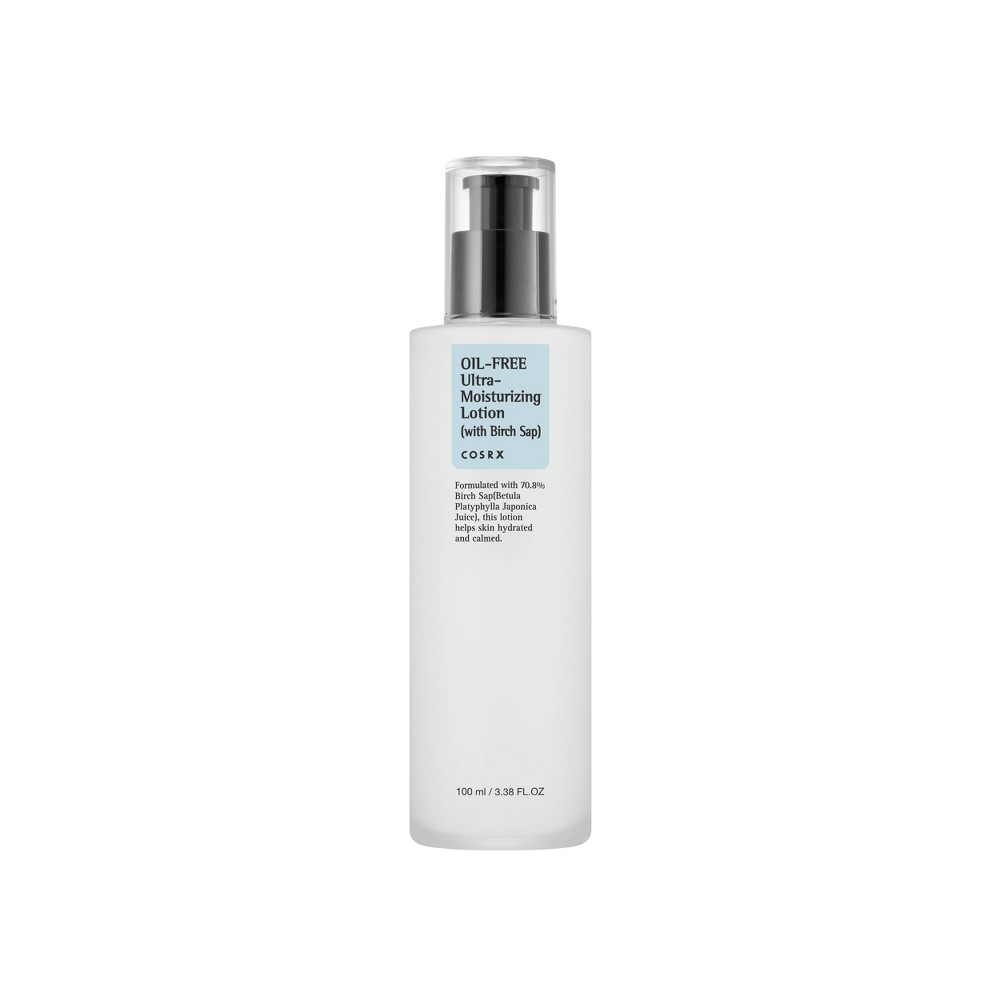
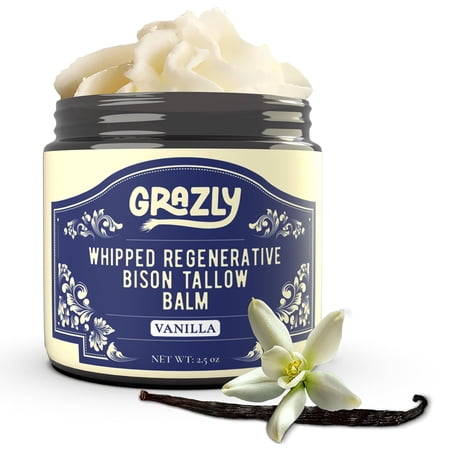
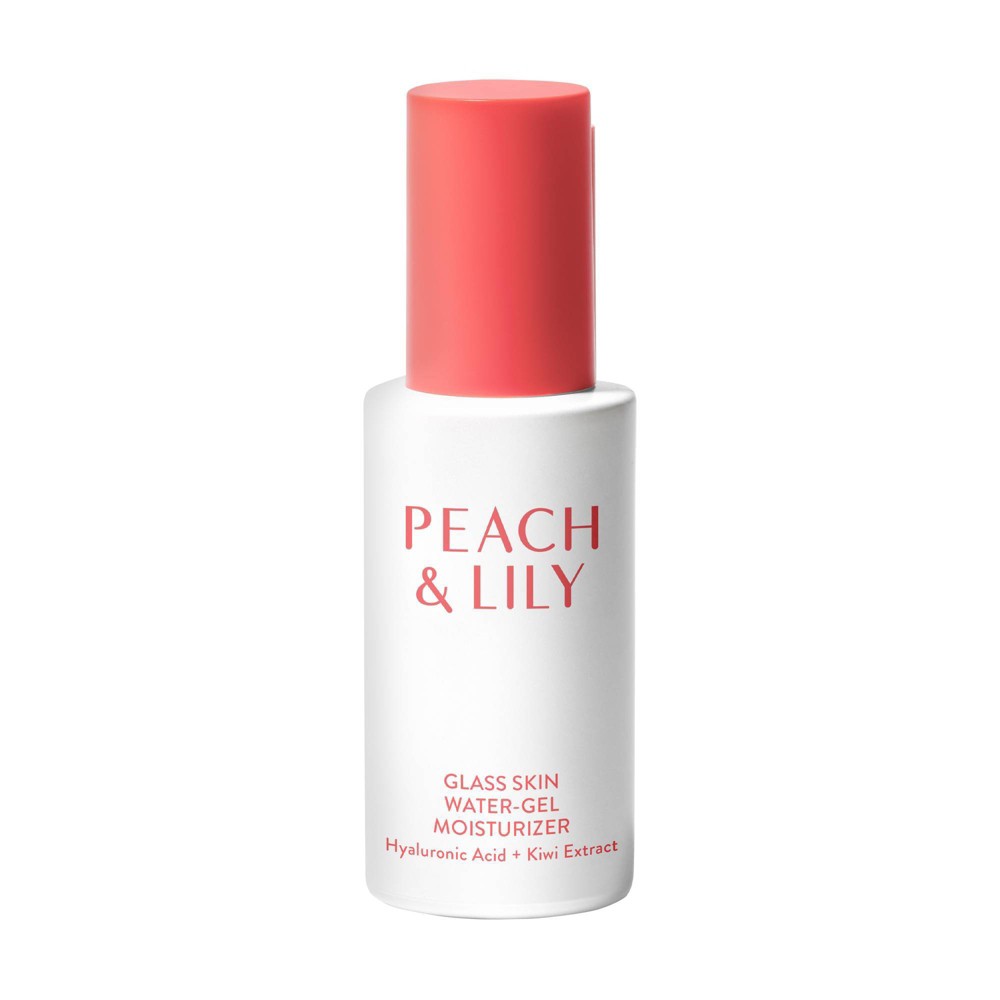
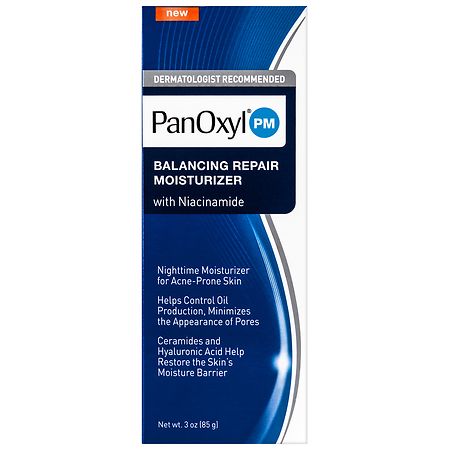

COSRX Oil-Free Moisturizing Lotion - 100ml - Ulta Beauty: Alcohol-Free, For Oily & Acne-Prone Skin, Deep Hydration
Summary
This moisturizer is formulated for oily and acne-prone skin and is free from alcohol, which is beneficial for sensitive skin types. It contains hydrating ingredients and lacks harsh surfactants or known endocrine disruptors, which is positive. However, the presence of some synthetic emulsifiers and preservatives slightly affects its overall ingredient safety profile.
At a glance
Key ingredients 23
Betula Platyphylla Japonica Juice
This ingredient is derived from birch trees and is known for its soothing and anti-inflammatory properties. It helps to calm irritated skin and provides hydration. It is often used in skincare for its ability to improve skin texture.
Risks
There are minimal risks associated with this ingredient, though rare allergic reactions may occur.
Benefits
It is beneficial for sensitive skin due to its calming effects and ability to enhance skin hydration.
Butylene Glycol
Butylene Glycol is a common humectant used in skincare products to retain moisture. It also helps to improve the texture and spreadability of formulations. It is generally considered safe and effective for most skin types.
Risks
In rare cases, it may cause irritation or allergic reactions, particularly in sensitive individuals.
Benefits
It enhances skin hydration and improves the overall feel of the product on the skin.
Glycerin
Glycerin is a well-known humectant that attracts moisture to the skin, making it a staple in moisturizing products. It helps to maintain the skin's water balance on an intercellular level. It is highly effective in improving skin hydration and smoothness.
Risks
Glycerin is generally safe, but overuse can lead to a sticky feeling on the skin.
Benefits
It is excellent for hydrating the skin and improving its barrier function.
Dimethicone
Dimethicone is a type of silicone that provides a smooth application and forms a protective barrier on the skin. It is used to improve the texture of products and to lock in moisture. It is non-comedogenic and suitable for most skin types.
Risks
Some individuals may experience breakouts or irritation, though this is uncommon.
Benefits
It helps to prevent moisture loss and gives the skin a silky feel.
Betaine
Betaine is a natural compound derived from sugar beets, known for its moisturizing and anti-inflammatory properties. It helps to maintain skin hydration and improve skin texture. It is often used in skincare for its ability to reduce irritation.
Risks
Betaine is generally safe, but in rare cases, it may cause mild irritation.
Benefits
It is beneficial for maintaining skin moisture and reducing inflammation.
Cetearyl Alcohol
Cetearyl Alcohol is a fatty alcohol used as an emollient and thickening agent in skincare products. It helps to soften and smooth the skin while providing a creamy texture to formulations. It is considered safe and non-irritating.
Risks
It is generally safe, but some individuals with very sensitive skin may experience irritation.
Benefits
It enhances the texture of products and provides moisturizing benefits.
1,2-Hexanediol
1,2-Hexanediol is a synthetic preservative and moisture-binding agent. It helps to stabilize formulations and improve product longevity. It is considered safe for use in cosmetics.
Risks
There is a low risk of irritation or allergic reactions.
Benefits
It helps to preserve the product and maintain its effectiveness.
Cetearyl Olivate
Cetearyl Olivate is an emulsifier derived from olive oil, used to blend oil and water in formulations. It provides a smooth application and enhances skin hydration. It is considered safe and beneficial for the skin.
Risks
It is generally safe, with minimal risk of irritation.
Benefits
It improves product texture and provides moisturizing benefits.
Ethyl Hexanediol
Ethyl Hexanediol is used as a solvent and skin-conditioning agent in cosmetics. It helps to improve the texture and spreadability of products. It is generally considered safe for use in skincare.
Risks
There is a low risk of irritation, particularly for sensitive skin.
Benefits
It enhances the feel of the product and helps to condition the skin.
Sorbitan Olivate
Sorbitan Olivate is an emulsifier derived from olive oil, used to stabilize formulations and improve texture. It is known for its moisturizing properties and ability to enhance skin feel. It is considered safe and beneficial for the skin.
Risks
It is generally safe, with minimal risk of irritation.
Benefits
It provides moisturizing benefits and improves product texture.
Ethylhexylglycerin
Ethylhexylglycerin is a preservative and skin-conditioning agent used to enhance the efficacy of other preservatives. It also provides moisturizing benefits. It is considered safe for use in cosmetics.
Risks
There is a low risk of irritation or allergic reactions.
Benefits
It helps to preserve the product and provides skin-conditioning benefits.
Hydroxyethyl Acrylate/Sodium Acryloyldimethyl Taurate Copolymer
This copolymer is used as a thickening agent and stabilizer in skincare products. It helps to improve the texture and consistency of formulations. It is considered safe for use in cosmetics.
Risks
There is a low risk of irritation, particularly for sensitive skin.
Benefits
It enhances product texture and stability.
Parfum
Parfum, or fragrance, is used to impart a pleasant scent to products. It is a common ingredient in cosmetics but can be a source of irritation for sensitive skin. It is often criticized for its potential to cause allergic reactions.
Risks
Fragrance can cause skin irritation and allergic reactions, especially in sensitive individuals.
Benefits
It provides a pleasant scent to the product.
Allantoin
Allantoin is a compound known for its soothing and skin-conditioning properties. It helps to calm irritated skin and promote healing. It is widely used in skincare for its ability to improve skin texture and hydration.
Risks
Allantoin is generally safe, with minimal risk of irritation.
Benefits
It soothes the skin and promotes healing, making it beneficial for sensitive skin.
Panthenol
Panthenol, also known as provitamin B5, is a moisturizing and skin-conditioning agent. It helps to improve skin hydration and elasticity. It is well-regarded for its soothing and healing properties.
Risks
Panthenol is generally safe, with minimal risk of irritation.
Benefits
It enhances skin hydration and promotes healing.
Xanthan Gum
Xanthan Gum is a natural thickening agent used to stabilize and improve the texture of formulations. It helps to create a smooth and consistent product. It is considered safe for use in cosmetics.
Risks
There is a low risk of irritation or allergic reactions.
Benefits
It improves product texture and stability.
Sodium Lactate
Sodium Lactate is a natural humectant and pH regulator used in skincare products. It helps to maintain skin hydration and improve product stability. It is considered safe and beneficial for the skin.
Risks
It is generally safe, with minimal risk of irritation.
Benefits
It enhances skin hydration and helps to maintain product stability.
Sodium Hyaluronate
Sodium Hyaluronate is a form of hyaluronic acid known for its excellent moisture-retaining properties. It helps to hydrate the skin and improve its elasticity. It is highly regarded in skincare for its ability to enhance skin hydration and plumpness.
Risks
It is generally safe, with minimal risk of irritation.
Benefits
It provides deep hydration and improves skin elasticity.
Sorbitan Isostearate
Sorbitan Isostearate is an emulsifier used to stabilize formulations and improve texture. It helps to blend oil and water components in products. It is considered safe for use in cosmetics.
Risks
There is a low risk of irritation or allergic reactions.
Benefits
It enhances product texture and stability.
Polysorbate 60
Polysorbate 60 is an emulsifier used to stabilize formulations and improve texture. It helps to blend oil and water components in products. It is considered safe for use in cosmetics.
Risks
There is a low risk of irritation or allergic reactions.
Benefits
It enhances product texture and stability.
Aqua/Water
Water is a universal solvent used as a base in many skincare products. It helps to dissolve other ingredients and provides hydration. It is essential for the formulation of most cosmetic products.
Risks
There are no significant risks associated with water in cosmetics.
Benefits
It acts as a solvent and provides hydration to the skin.
Limonene
Limonene is a fragrance component derived from citrus oils, used to impart a pleasant scent. It is often used in cosmetics for its refreshing aroma. However, it can be a potential allergen for sensitive individuals.
Risks
Limonene can cause skin irritation and allergic reactions, especially in sensitive individuals.
Benefits
It provides a refreshing citrus scent to the product.
Citral
Citral is a fragrance component derived from citrus oils, used to impart a lemon scent. It is commonly used in cosmetics for its pleasant aroma. However, it can be a potential allergen for sensitive individuals.
Risks
Citral can cause skin irritation and allergic reactions, especially in sensitive individuals.
Benefits
It provides a pleasant lemon scent to the product.
Processing
Processed Foods
Get the full breakdown in the Scout app
Scan any product to see lab results, healthy alternatives, and your personalized analysis.
Download on theApp Store