


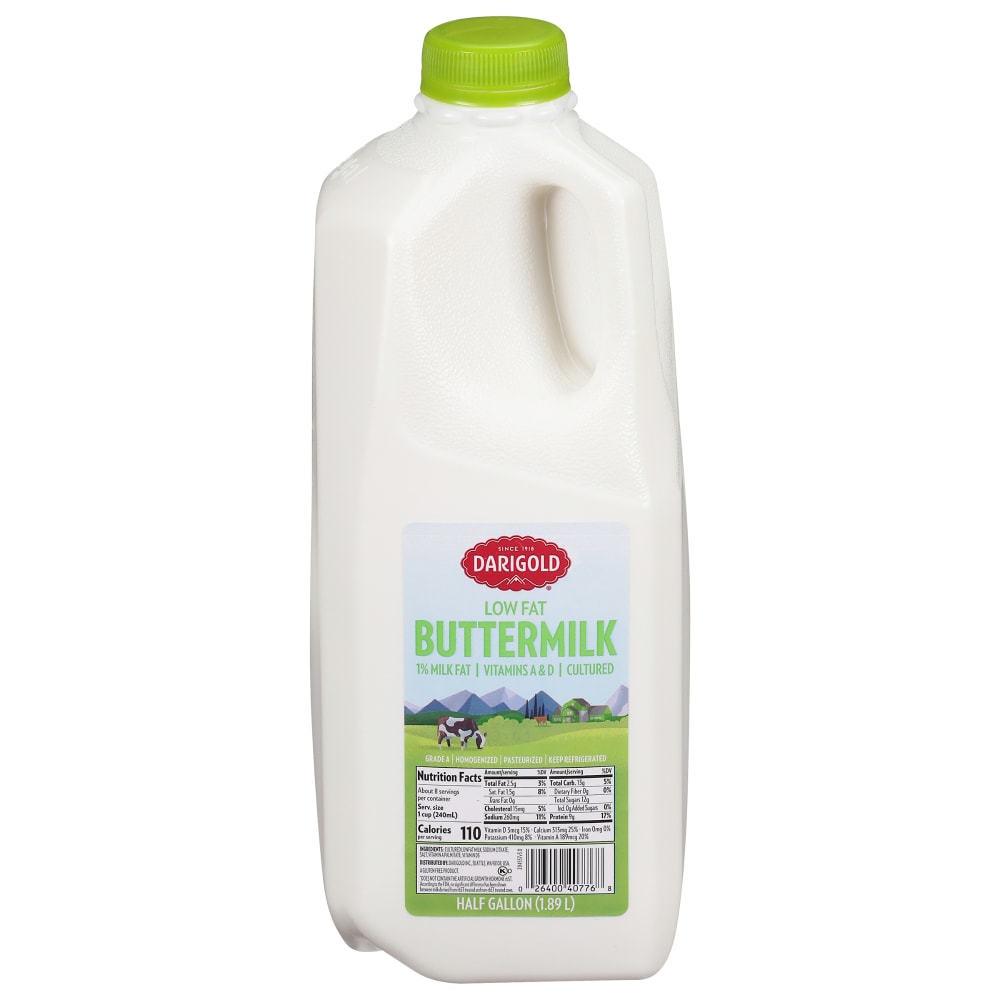

Super Natural Organic Refuced Fat Buttermilk
Summary
This product is made from organic reduced fat milk and nonfat milk, which are beneficial for providing high-quality protein and essential nutrients without synthetic pesticides and hormones. The inclusion of live and active cultures supports gut health and digestion. However, it is a processed food, which limits its score despite the clean ingredient list and health benefits.
At a glance
Key ingredients 5
Organic Reduced Fat MilkGood
Organic reduced fat milk is a source of high-quality protein and essential nutrients. Being organic, it is free from synthetic pesticides and hormones. It provides calcium and vitamin D, supporting bone health.
Benefits
Provides essential nutrients like calcium and vitamin D, which are important for bone health.
Organic Nonfat MilkGood
Organic nonfat milk offers protein and essential nutrients without added fats. It is free from synthetic pesticides and hormones due to its organic nature. It supports a low-fat diet while providing calcium and vitamin D.
Benefits
Offers essential nutrients like calcium and vitamin D, beneficial for bone health, without added fats.
Sea SaltGood
Unrefined sea salt — a minimally processed, natural source of sodium and essential trace minerals, and a legitimate whole-food seasoning. Treated as a positive ingredient.
Risks
Excessive sodium intake can lead to high blood pressure and cardiovascular issues.
Benefits
Contains trace minerals and enhances flavor, making foods more palatable.
Live & Active CulturesVery Good
Live and active cultures like Acidophilus and Bifidus promote gut health by supporting beneficial bacteria. They can improve digestion and enhance the immune system. These cultures are a hallmark of fermented dairy products, contributing to their probiotic benefits.
Benefits
Supports gut health and digestion, and may enhance immune function.
Vitamin A PalmitateNeutral
Vitamin A Palmitate is added to fortify the product with vitamin A, an essential nutrient for vision and immune function. It is a synthetic form of vitamin A commonly used in fortified foods. While beneficial, excessive intake should be avoided to prevent toxicity.
Risks
Excessive intake of vitamin A can lead to toxicity, but this is unlikely from normal consumption of fortified foods.
Benefits
Provides vitamin A, supporting vision and immune health.
Processing
Processed Foods
Get the full breakdown in the Scout app
Scan any product to see lab results, healthy alternatives, and your personalized analysis.
Download on theApp Store